Half these homes were built before regulators were standard.
The island's plumbing takes its pressure like everything else here, quietly, behind beautiful walls, and the first anyone hears of trouble is usually literal, a banging in the pipes when the washer finishes or a faucet snaps closed. In Coronado's vintage homes that sound deserves prompt respect, because the plumbing absorbing the strain is often original, the walls around it are finished to island standards, and pressure problems compound expensively in exactly that combination.
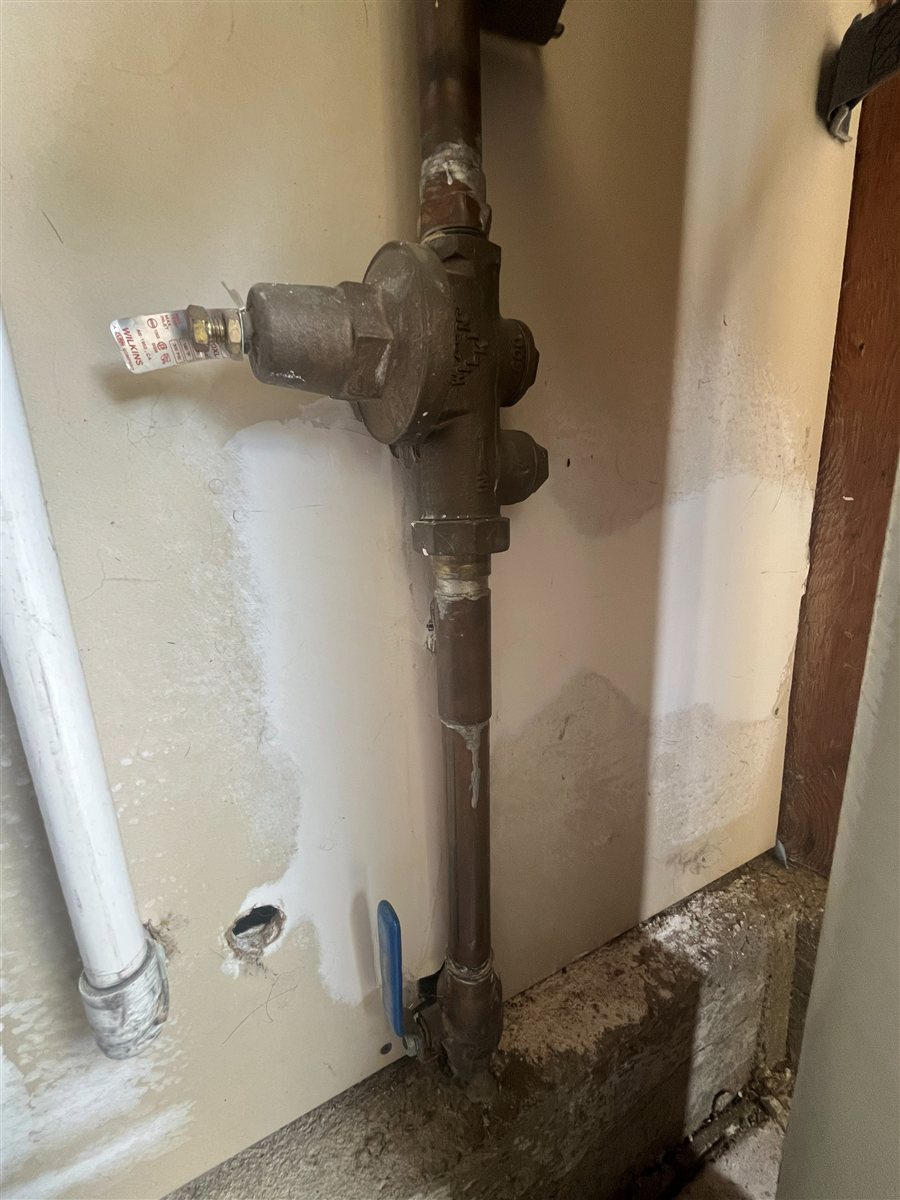
Pressure out of range taxes everything downstream. Joints, fittings, faucets, supply lines, all wearing ahead of schedule, and the water heater hardest of all, aging in fast forward under strain it was never rated for. In a home where a failed line means restoration as much as repair, the math on prevention is island simple. The PRV is the prevention, one device holding the street's delivery to the healthy range, and its condition is the whole question, working, quietly failed after years of service, or never installed, which in homes of this vintage is genuinely common. The symptoms of all three read identically from inside the house.
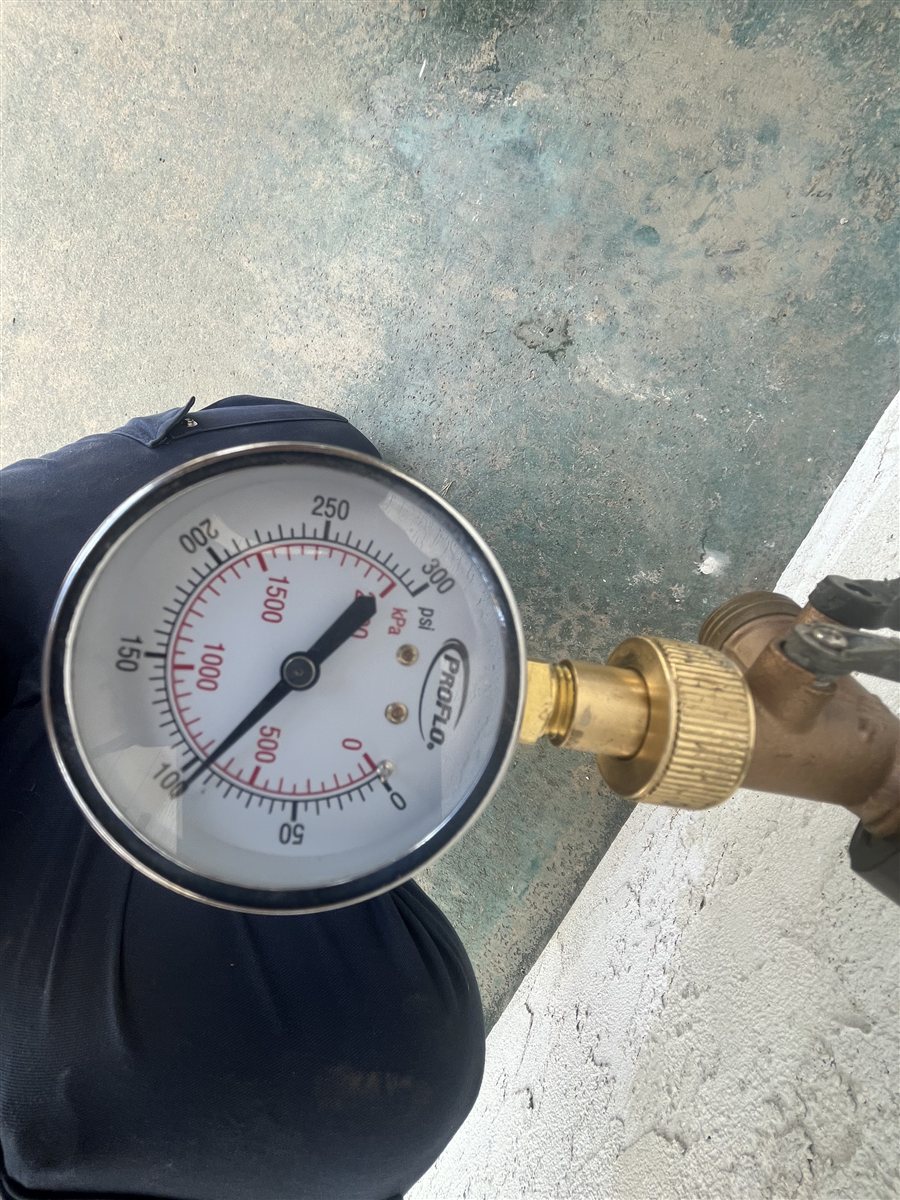
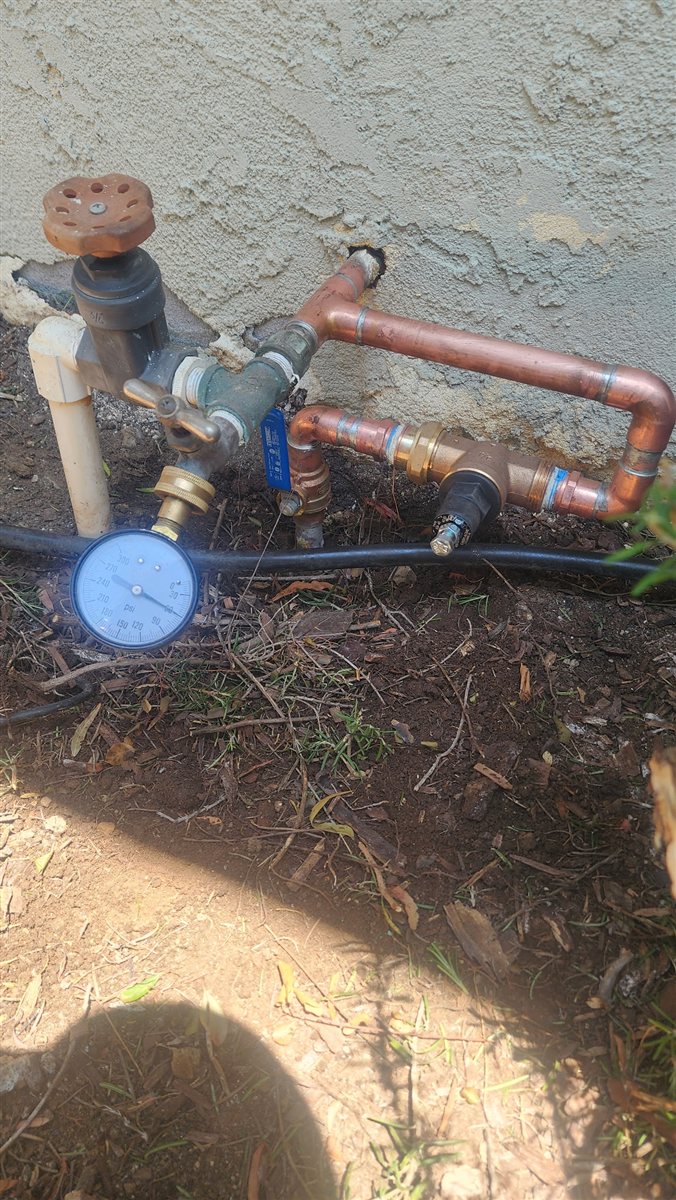
The measurement settles it. A licensed contractor gauges the actual pressure, reads the regulator situation, and lays out the honest picture in plain English, what the street's delivering, what's standing between it and your plumbing, what the options are. Homes without a regulator get the straight conversation about what one protects and how it satisfies modern code. On an island where everything else gets maintained to standard, the pressure deserves the same attention. One visit puts a number on it.
"The gauge doesn't editorialize. Five minutes and you know."