Not every Coronado floor hides a slab. Yours might.
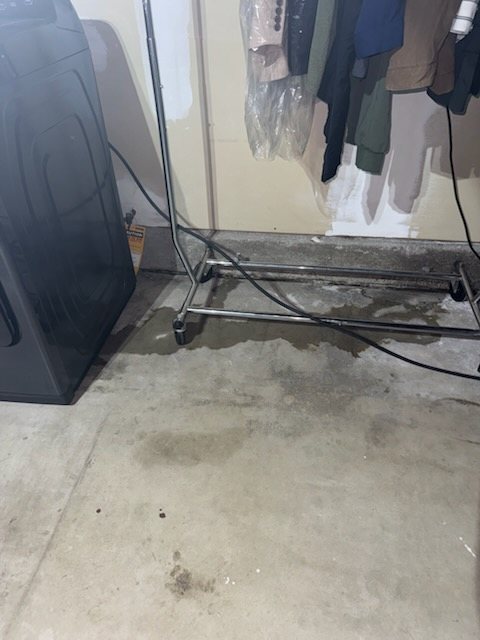
Under the island's historic homes, the slabs hold their original secrets, water lines from construction eras that trusted copper under concrete completely. Salt air above, minerals within, and a century between them, and eventually a Coronado slab develops the classic signs. The warm patch on original hardwood. The bill that jumped. The sound of water in a silent house. In a home this finished, on an island where any project draws attention, the fear runs ahead fast. Here's what actually happens, and it's calmer than the fear.
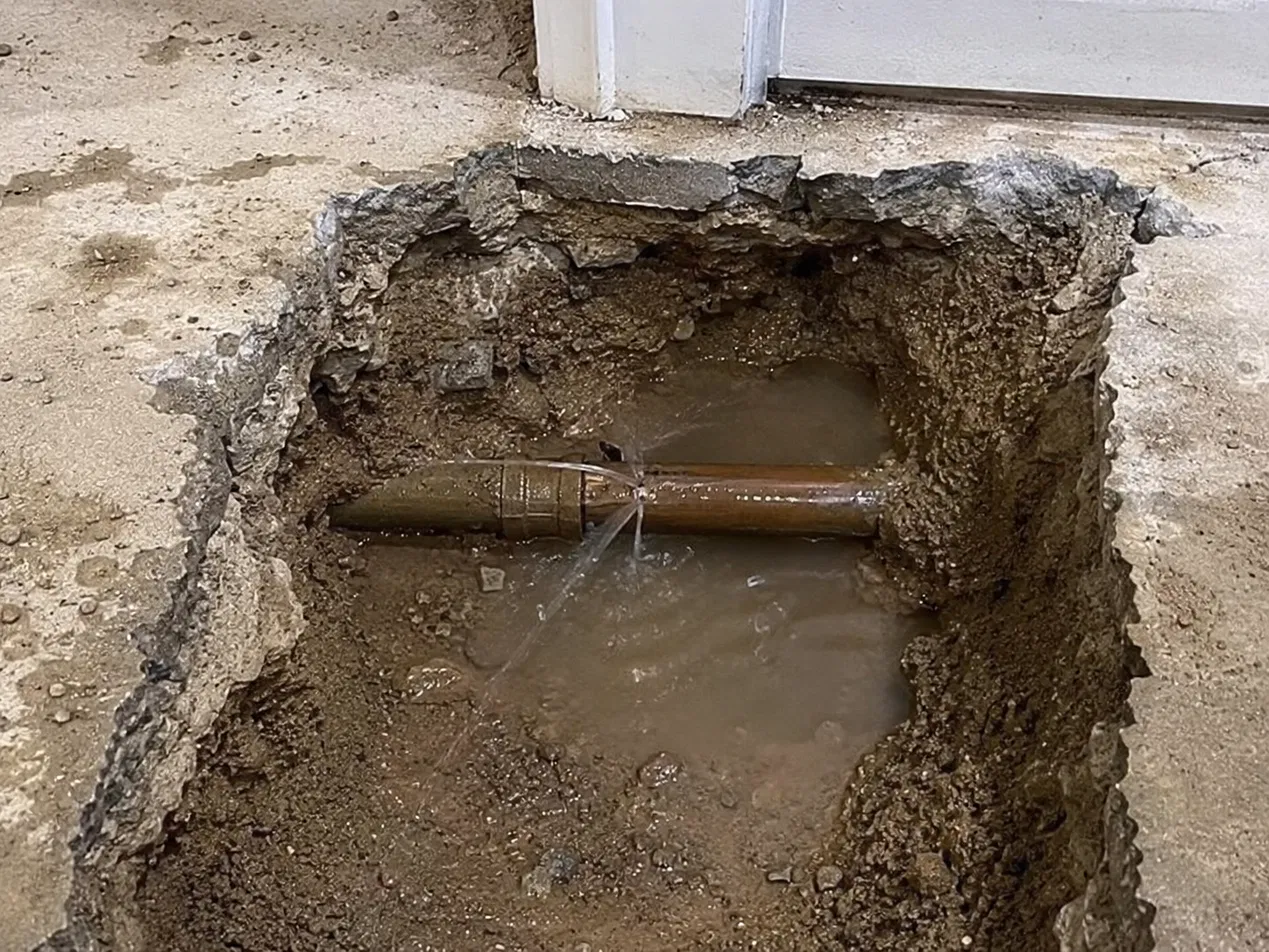
Detection first, always, and it's non destructive entirely. The equipment locates the leak through the slab within inches, no exploration, no opening anything on theory. Then the options, weighed with island realities in mind. A precise access at the marked spot when that's the right play. Or the reroute, retiring the leaking run and carrying new line overhead, through walls and ceiling space, without disturbing the slab, the floors above it, or the finishes that make the house what it is. In Coronado's vintage homes, the reroute earns its keep constantly, the fix happens and the house never shows a scar.
Which path fits gets decided by evidence and explained in plain English, tradeoffs included, especially the honest one about vintage pipe eras and what a second leak usually means. The decision stays yours, made at your pace, with a licensed contractor performing the work when you say so. Historic homes deserve invisible fixes. On the island, that's the specialty.
"The first question isn't where the leak is. It's what your house stands on."