The hill gives you the view. It also gives you the pressure.
In a home finished to La Jolla's standard, the plumbing's job is to be invisible, and pressure is the variable that decides whether it stays that way. The first visible symptom is usually audible instead, a knock in the walls when a faucet closes, a bang when the washer finishes, and in a home where the walls themselves are part of the investment, percussion from inside them deserves immediate curiosity. What it usually means is pressure running above the healthy range, and everything downstream quietly absorbing it.
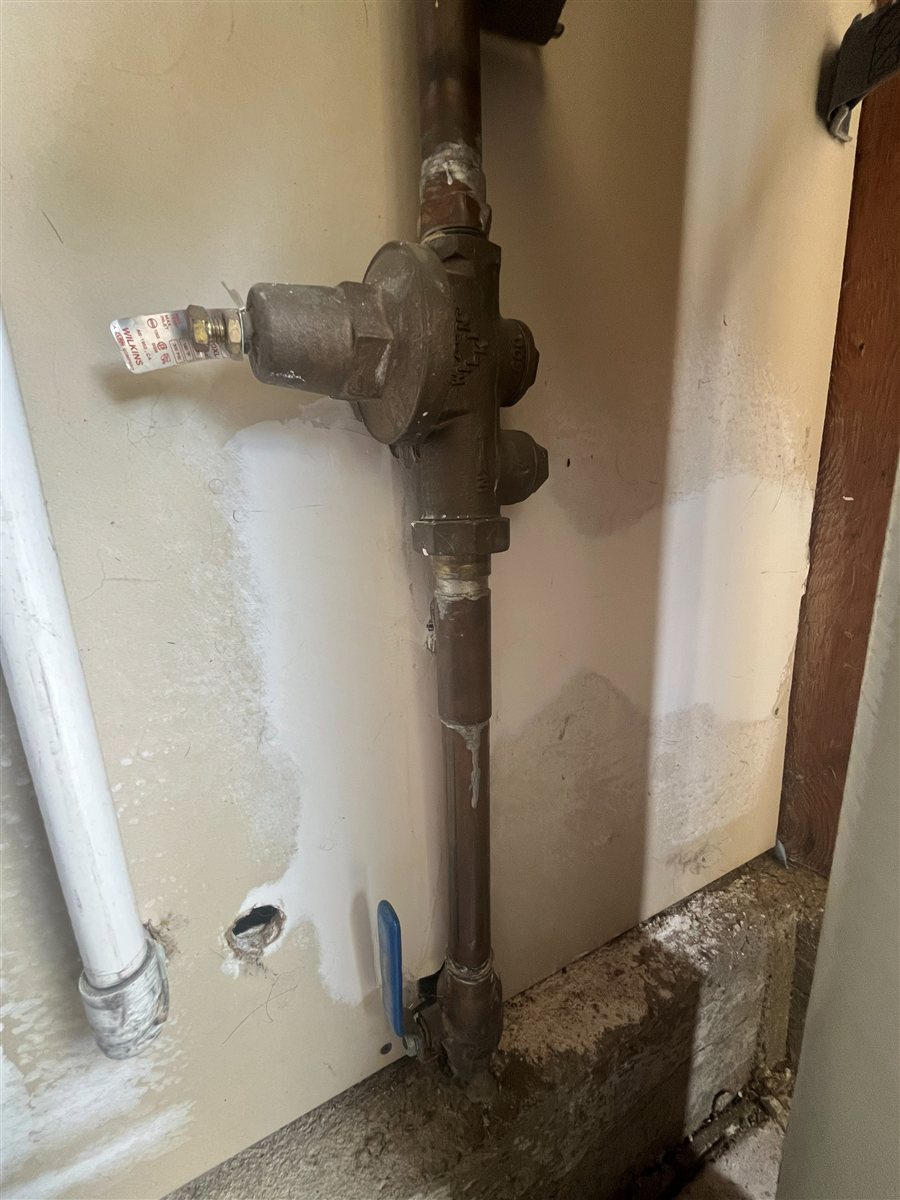
The absorption list is the expensive part. Joints and fittings stressed at every cycle. Faucets and fixtures, the ones selected carefully, wearing ahead of schedule. Supply lines strained behind finished surfaces where a failure means restoration, not just repair. The water heater aging in fast forward. In a property like yours, unmanaged pressure is a standing threat to finishes and equipment alike, and the PRV is the single device that manages it, holding the street's delivery to the range everything downstream was built for. Its status, working, quietly failed, or never installed, is the entire question, and the symptoms of all three are indistinguishable without measurement.
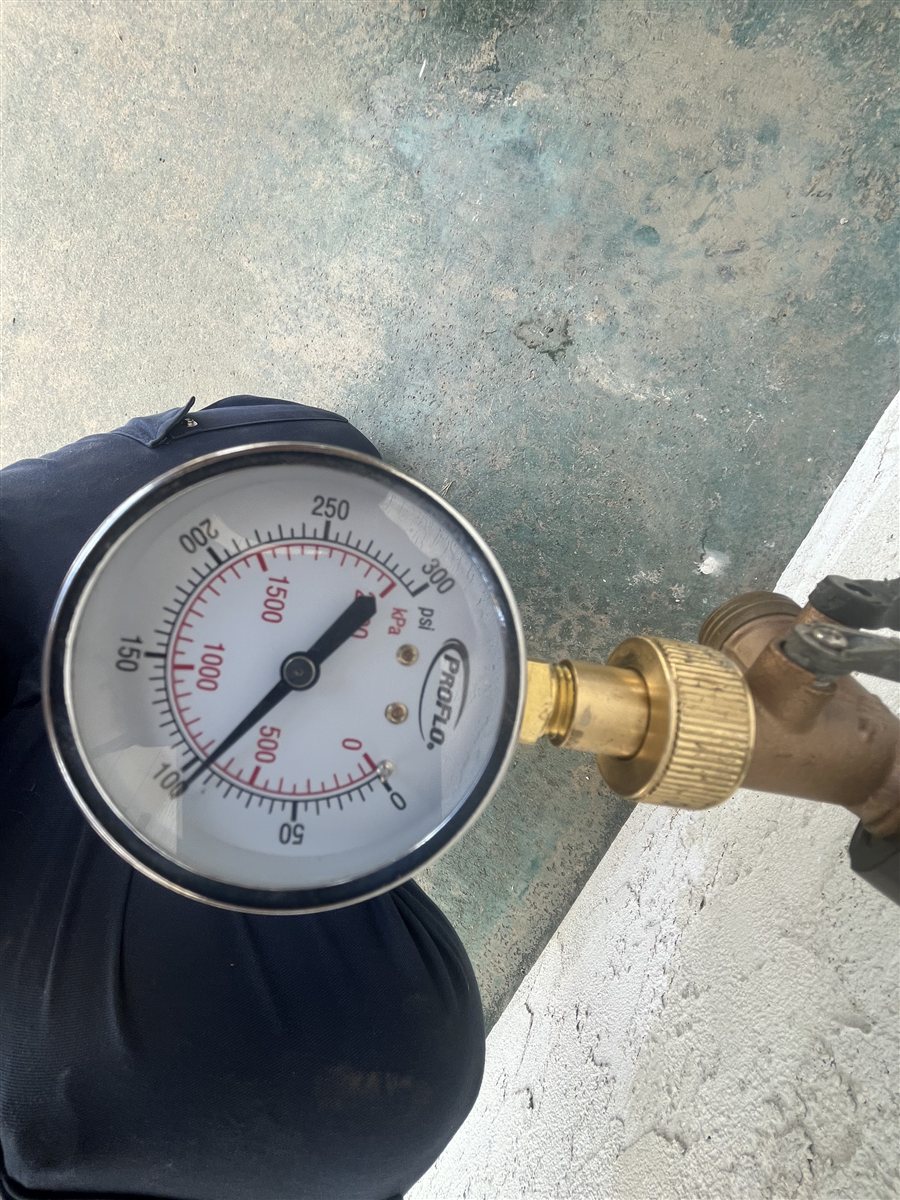
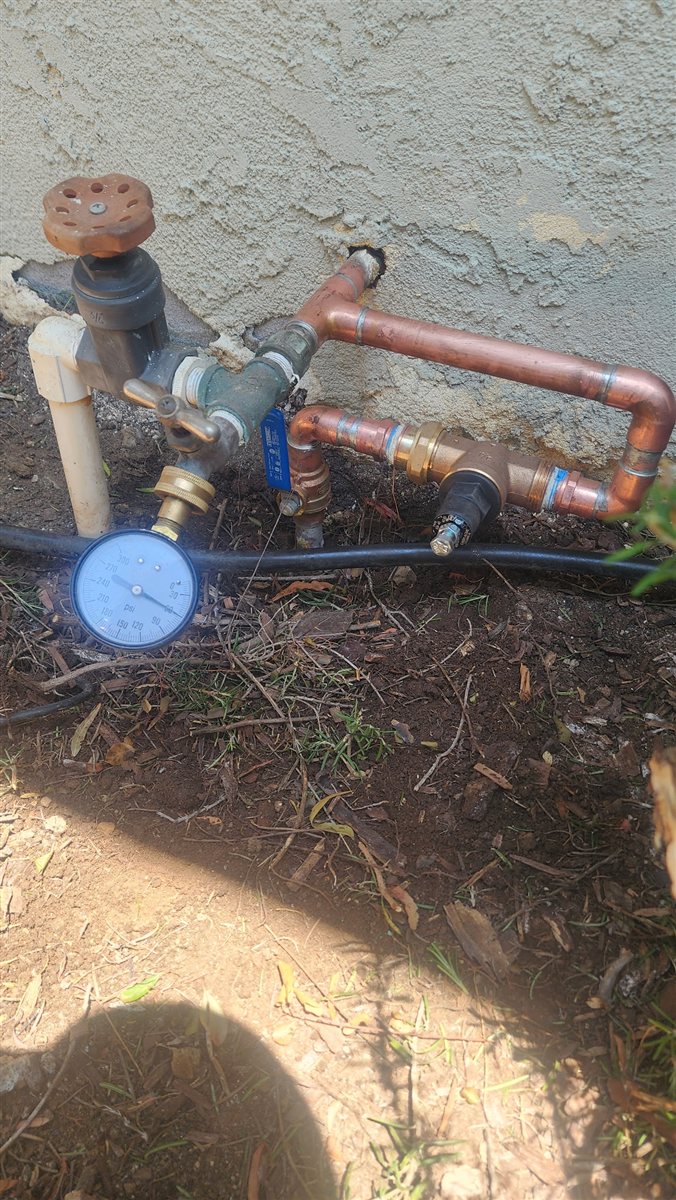
The measurement is precise and the visit is clean. A licensed contractor gauges the system, reads the regulator's condition, and presents the honest picture in plain English, what's arriving from the street, what's managing it, what the options are, each with its reasoning visible. Homes without a regulator get the straight conversation about what one protects and the modern code it satisfies. The home was assembled to a standard. The pressure should be held to one too.
"The bottom of the hill gets the top of the gauge."