The cottages were plumbed when nobody regulated anything.
The beach works on plumbing from the outside, and pressure works on it from within, and an Imperial Beach home can be fighting both without anyone knowing. The pressure side announces itself the usual way, banging pipes when the washer stops, a knock in the walls when a faucet closes, a shower that blasts more than flows. Those are the audible symptoms of a system running above its healthy range, and the audible ones are the cheap ones.
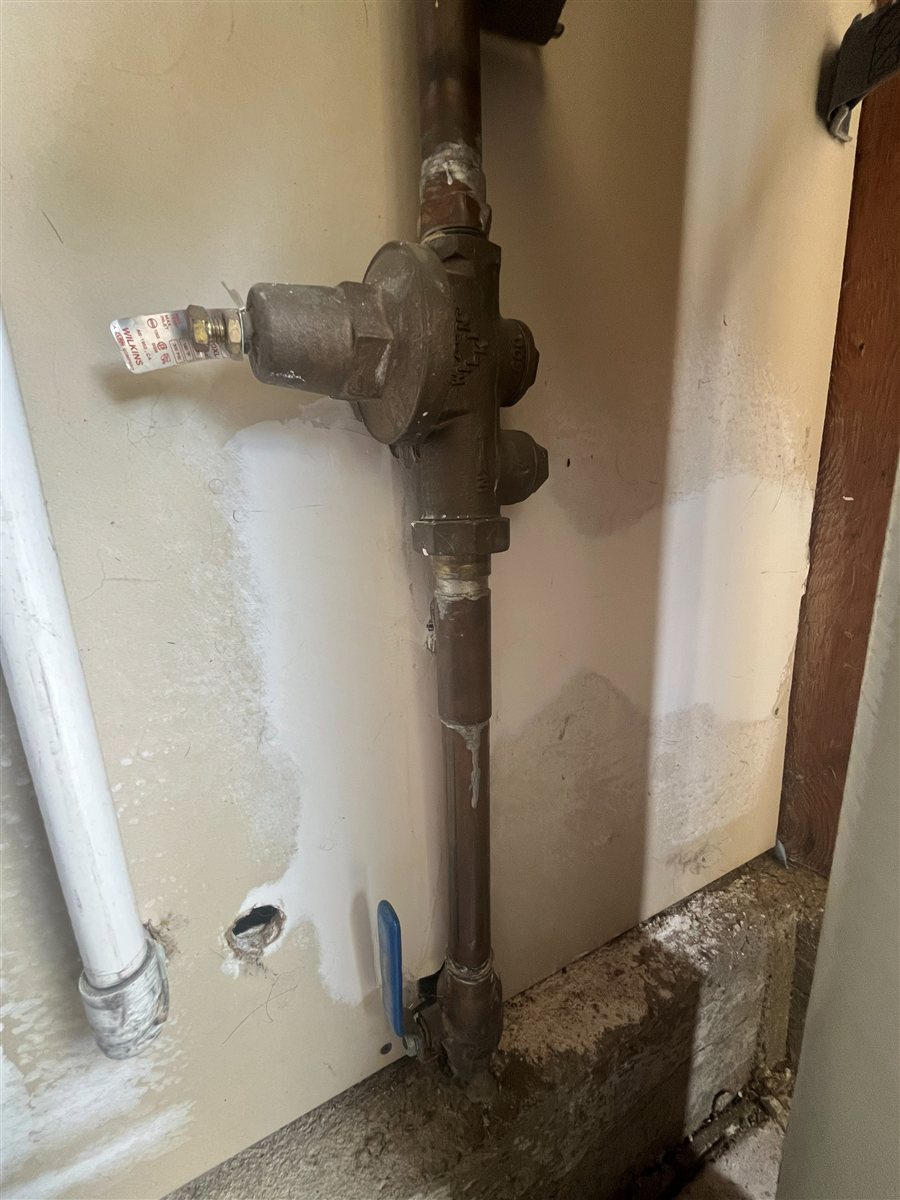
The silent symptoms cost more. Chronic high pressure wears every joint and fitting early, strains the supply lines, shortens fixture life, and works hardest on the water heater, which retires years ahead of schedule under strain it was never built for, an expensive habit in a town where salt air is already shortening equipment lives from the other direction. The PRV is the one device fix, holding the whole system in the healthy range, and the whole question is its status, working, failed quietly somewhere in the past, or never installed at all, common in the older cottages. All three look the same from the kitchen sink.
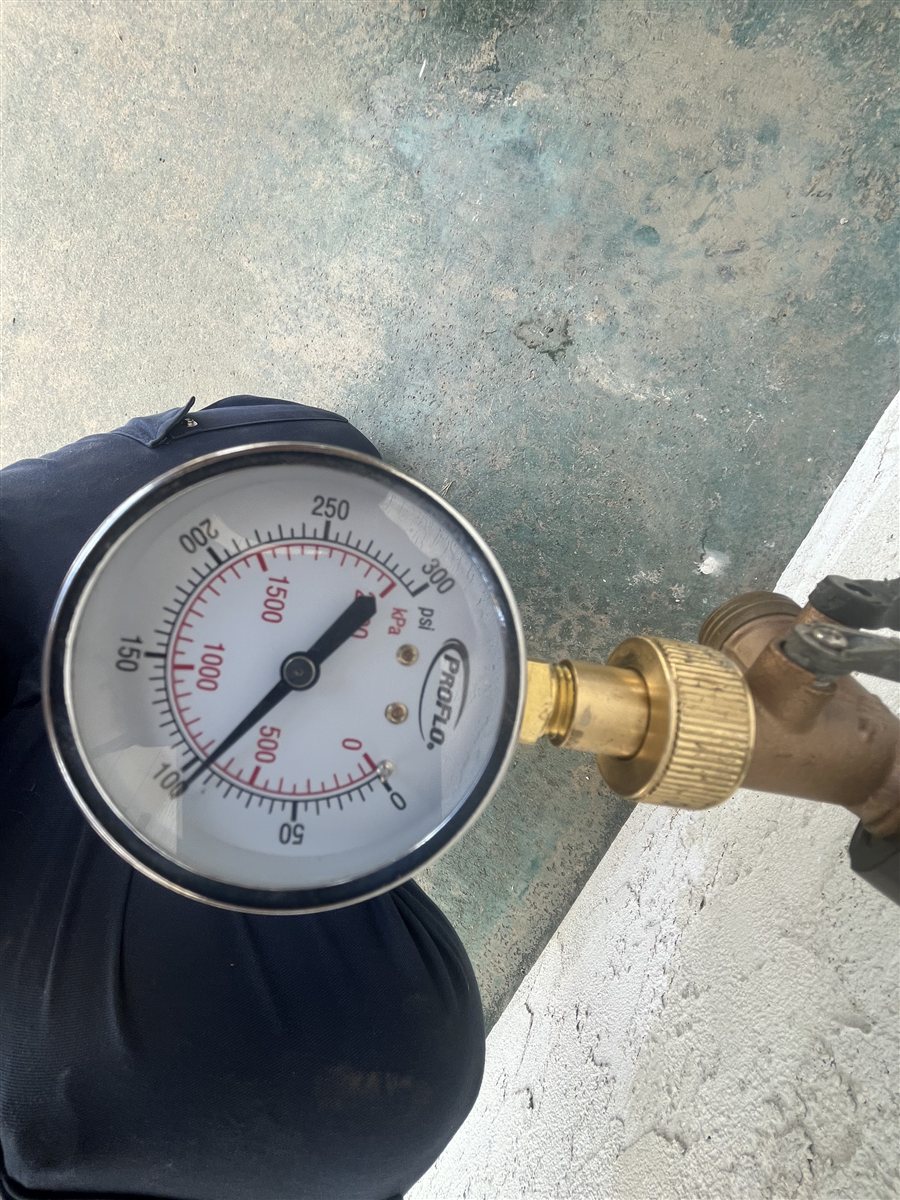
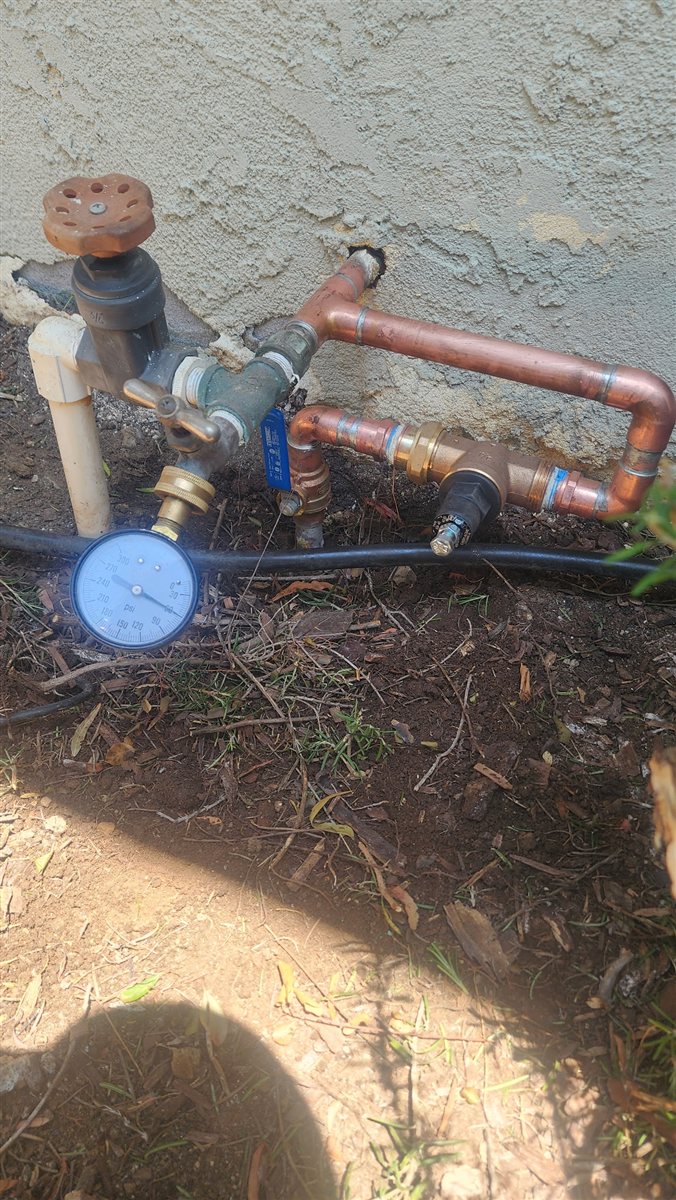
A gauge and a licensed contractor settle it in one visit. The actual pressure gets measured, the regulator situation gets read honestly, and the options land in plain English, no drama, no guessing. Cottages that never had a regulator get the straight talk about what adding one protects and how it brings the system to modern code. The ocean's wear on a beach home can't be turned off. The pressure's can. That's worth a phone call.
"The toilet hissing at night is trying to tell you a number."