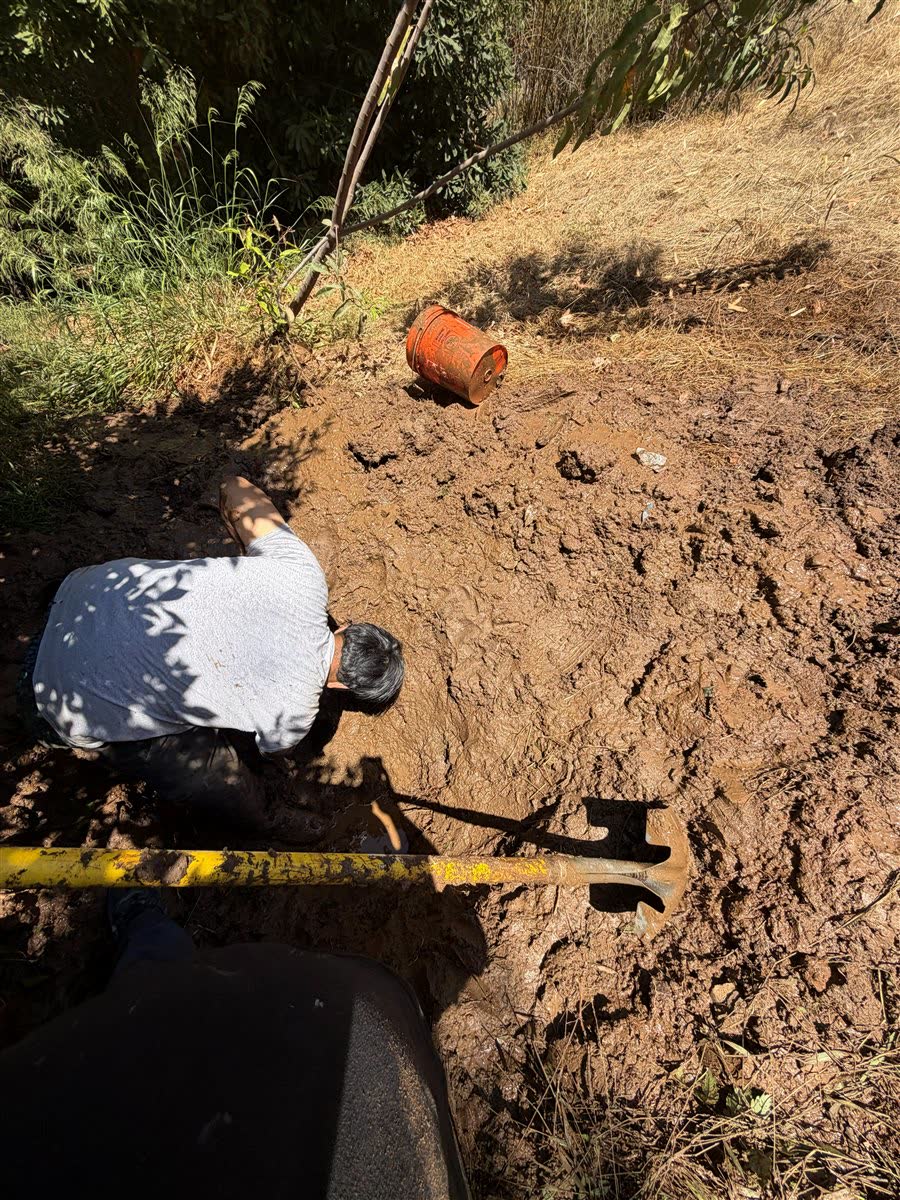
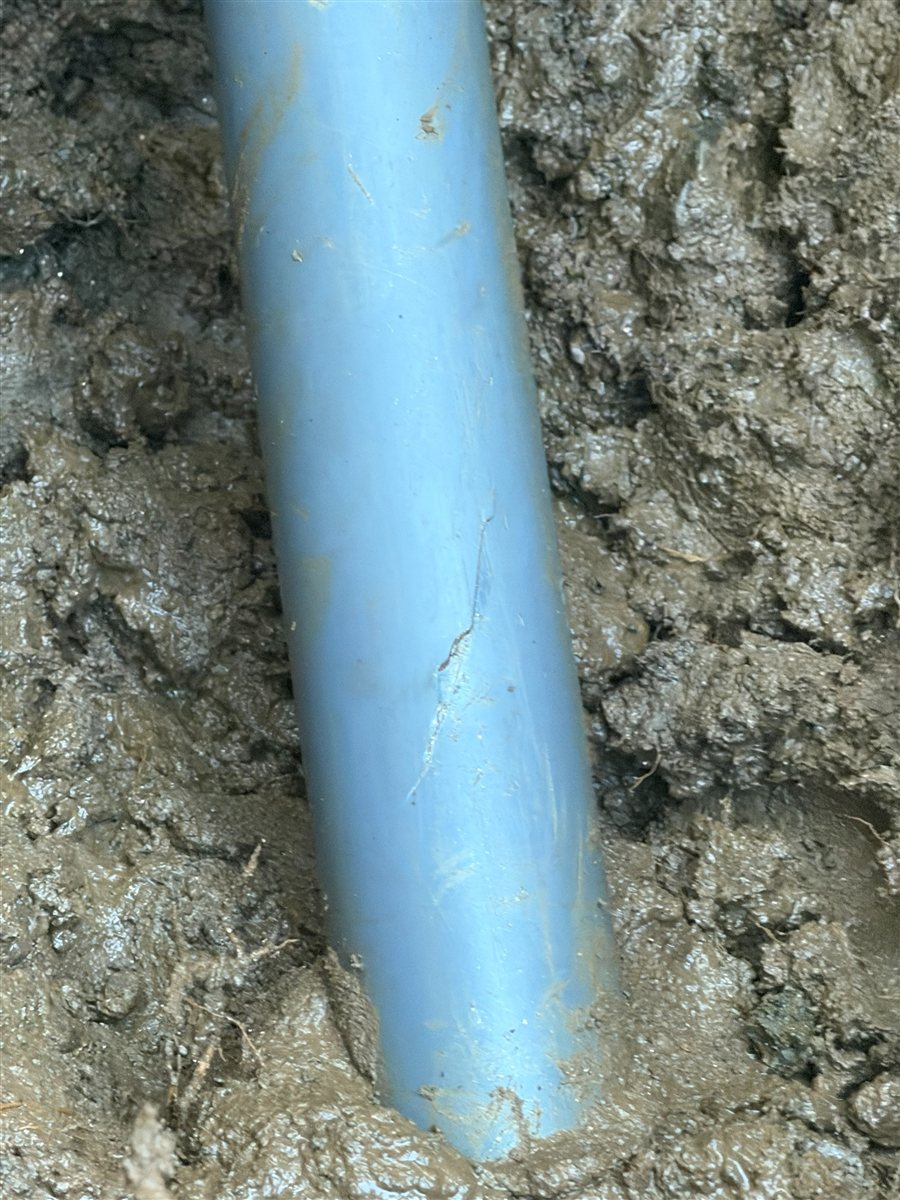
A beach town's water mains work in beach town conditions, sandy soil that shifts and drains, salt working downward from the air and sideways from the ground, and lines serving the older cottages that have been at it for decades. When an Imperial Beach main starts failing, the sandy ground actually complicates the classic signs, water finds odd paths through sand, surfacing away from the actual failure or draining down instead of pooling, which makes the other signals count double. The meter moving with everything off. The house wide pressure drop. The bill that jumped a bracket.
Sandy conditions make precision location worth even more here than inland. The line gets traced and the failure pinpointed regardless of where the water chose to surface, and the findings run the coastal range, corroded sections that salt finished early, fittings that gave out, older material simply through. The fix follows honestly, a targeted repair at the true failure point when the line has life left, the replacement conversation when it doesn't, with trenchless methods pulling new line through the sandy runs cleanly, two access points, no open trench through the property.
The waiting math is the same everywhere and worse at the beach, the leak bills continuously, and salt saturated ground accelerates everything it touches. So the response runs locate, explain, decide, fix, plainly and in that order, every option with its real tradeoffs, your decision throughout, a licensed contractor performing the work on your go. The ocean sets the conditions out here. The repair just has to be built for them, and here, it is.