Gas work is one place there's no room for a shortcut. A licensed contractor does it, every time.
A gas shutoff at a National City property starts two clocks, the household's, running on cold showers and a dead stove, and the owner's, if it's a rental, running on a tenant's patience. The utility has done its part, and what remains is squarely licensed territory, the location, repair, and verification that stand between the shutoff and restored service. This service is that territory, the after side of a gas event, handled with working city efficiency.
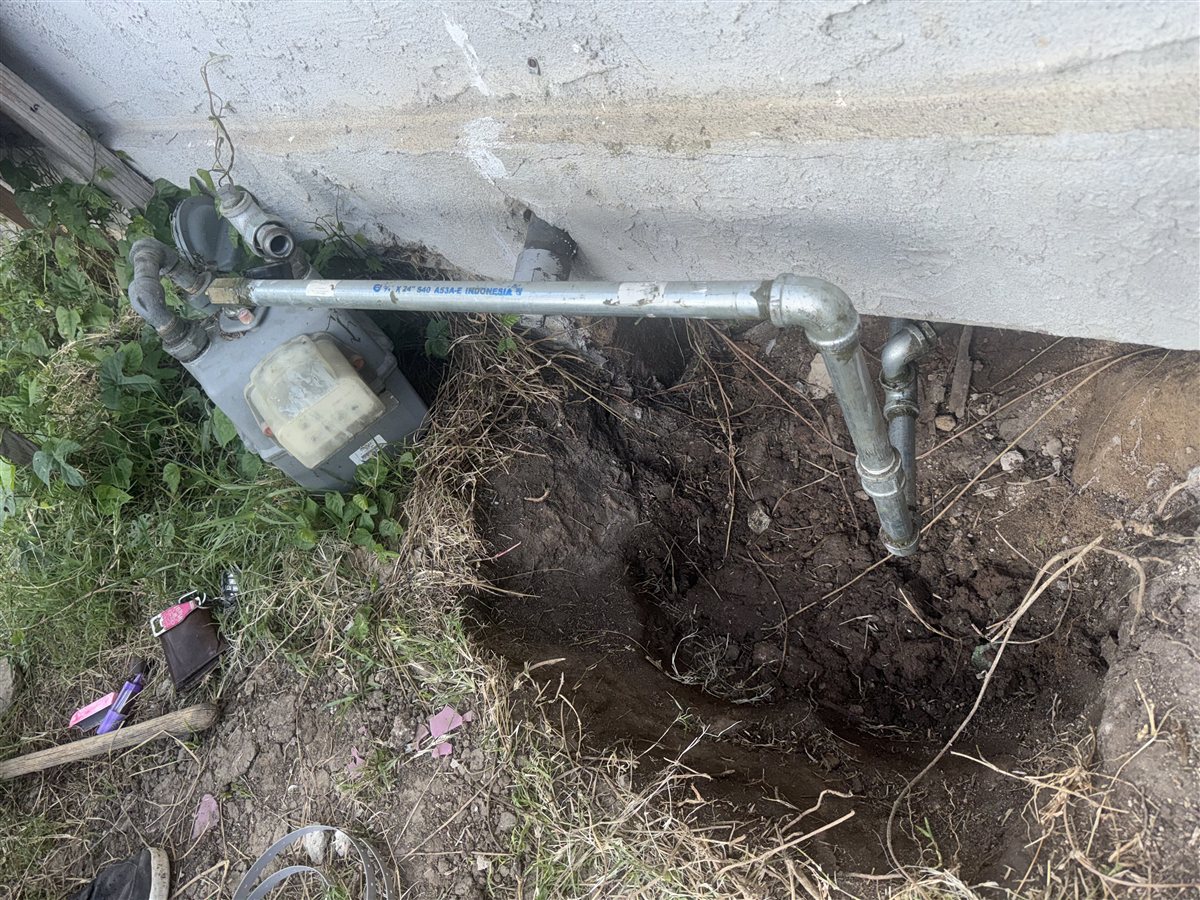
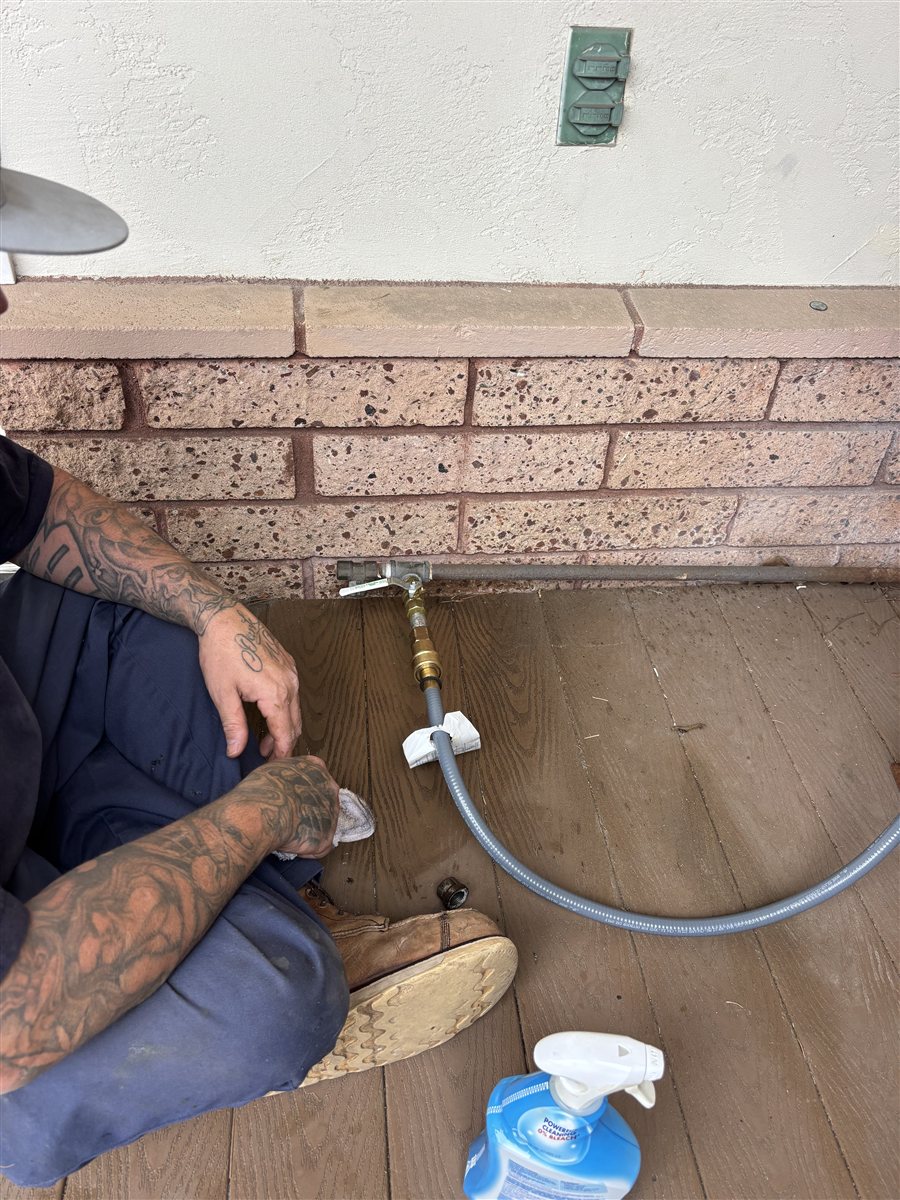
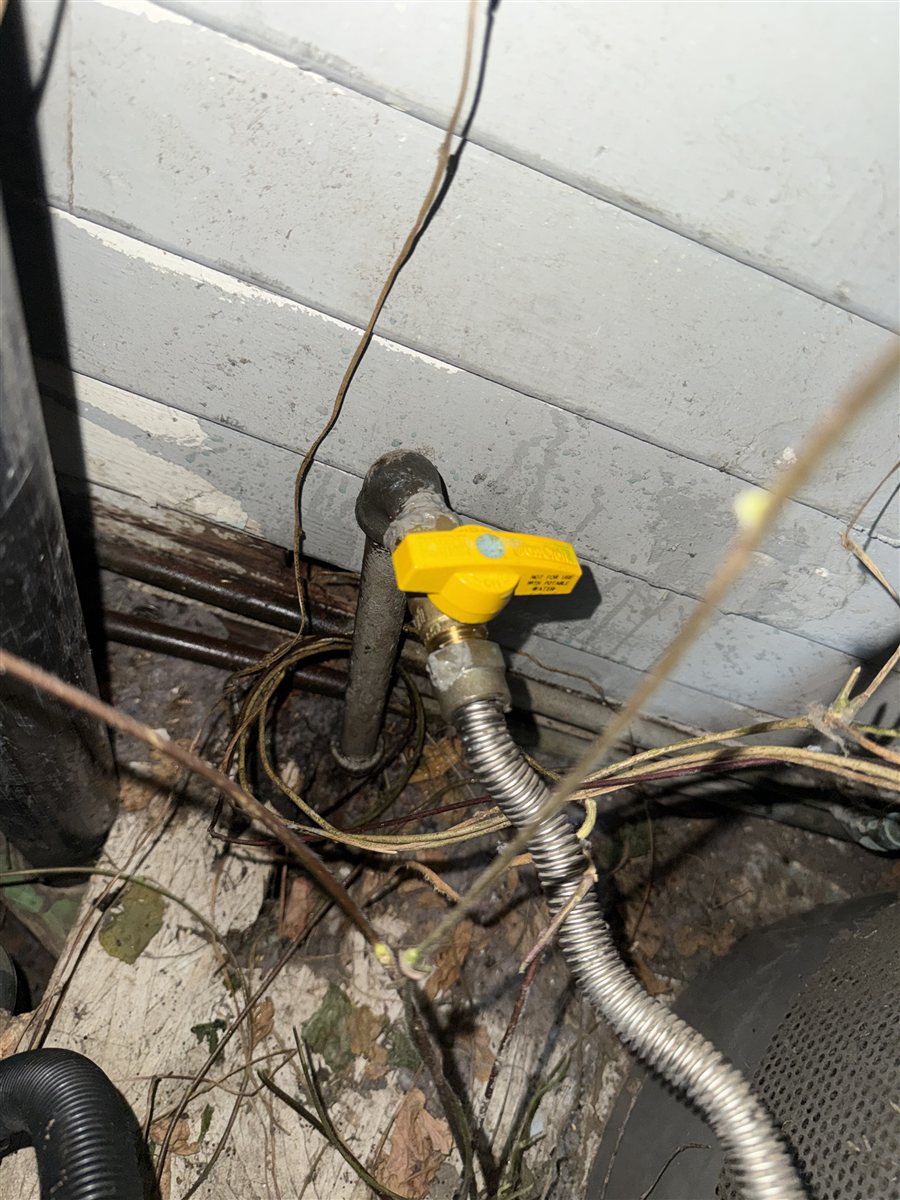
The sequence is fixed and fast. A licensed contractor with real gas experience locates the actual problem, the shutoff having confirmed without specifying. The city's older housing produces the standard catalog, fittings loosened by decades, runs that have concluded honest service, corrosion at connections as old as the buildings. The finding gets explained plainly to whoever's deciding, owner, tenant relaying, or manager between, options laid out with real timelines, and on approval the repair proceeds to code and closes with a pressure test, the documentation the utility requires before restoring service, and the documentation a property file appreciates having.
Planned work runs the same road, appliance connections across units, relocations, upgrades, installed to code and tested before use, documented cleanly when files matter. Gas work rewards exactly one approach, licensed and methodical, and in occupied properties the stakes on that approach only climb. From shutoff to restored, the path is one call, clear communication, proper work, and the test that proves it, in that order, every time.
"We smelled gas near the stove. They found the leak at an old fitting and fixed it safely. Not something you want to guess at."