Old pipes and raw street pressure are a bad partnership.
For a working household, banging pipes are an annoyance. For a property owner, they're a memo, because the pressure making the noise in one unit is usually working on the whole building, and everything it wears out, the fittings, the faucets, the supply lines, the water heaters, lands on the same ledger. National City's older housing stock has been absorbing street pressure for a long time, and buildings whose regulators failed quietly, or never existed, have been paying an invisible maintenance surcharge the entire while.
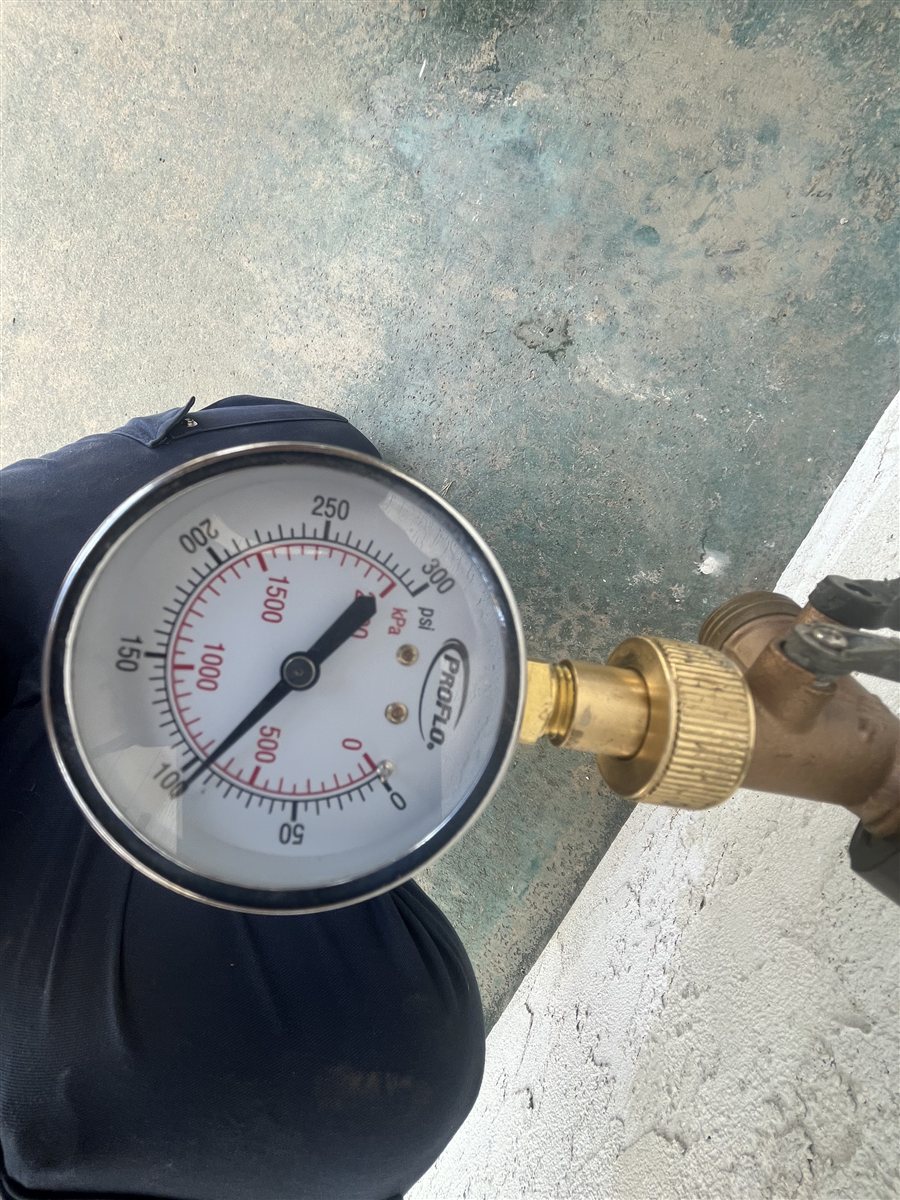
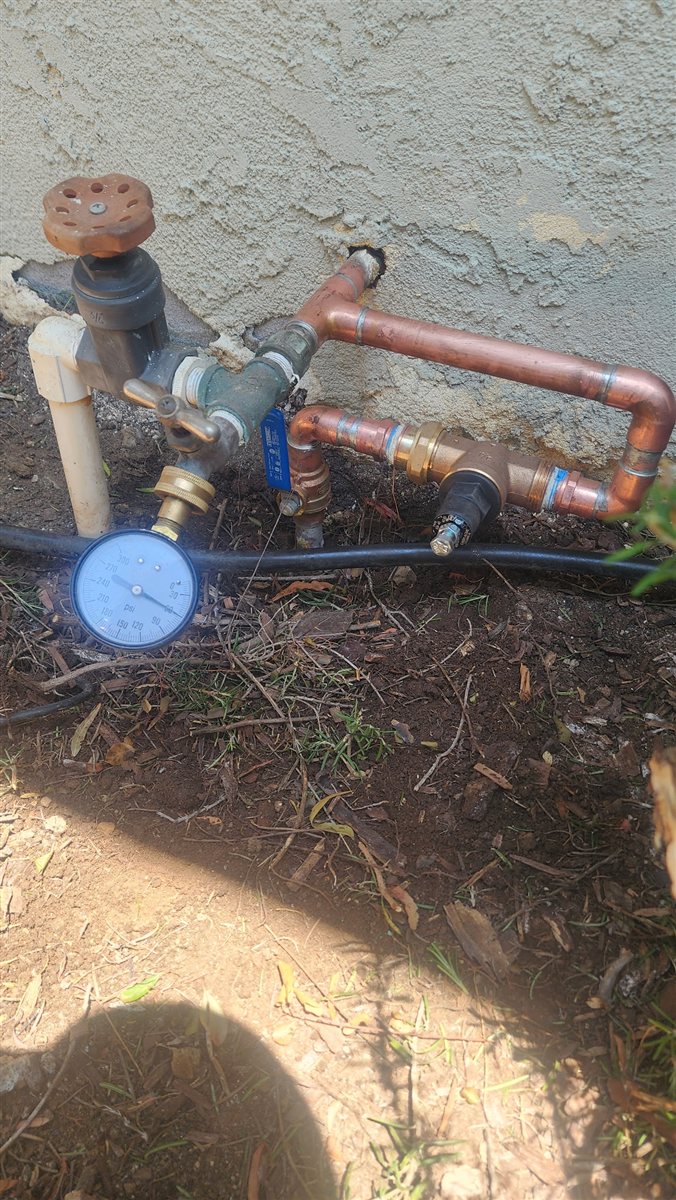
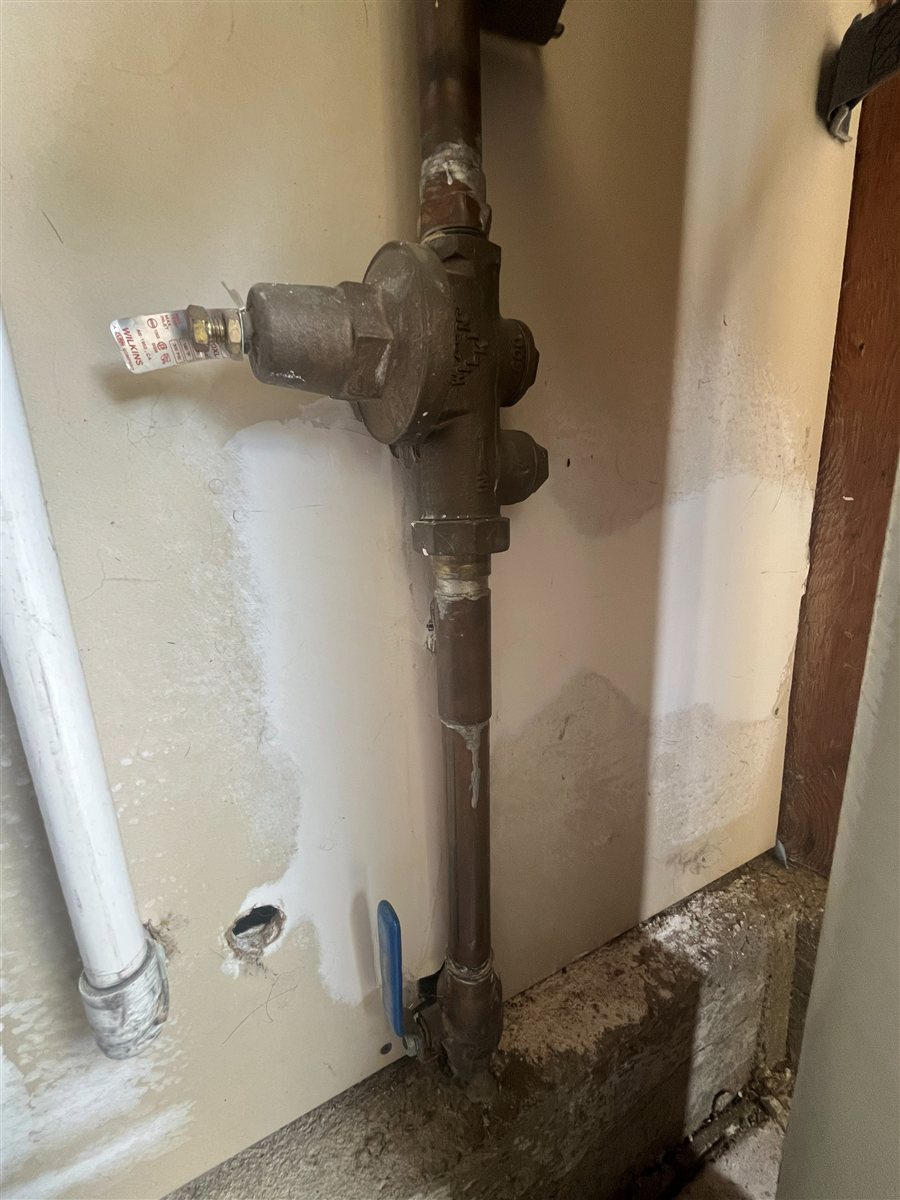
The mechanics are simple and the stakes are cumulative. Pressure above the healthy range wears everything downstream ahead of schedule, and the water heater fastest of all, chronic strain retires tanks years early, and in a multi unit property that's a rolling replacement schedule nobody budgeted. The PRV is the fix at the source, one device protecting everything behind it, and the honest question for any older property is simply its status, working, failed, or absent. The symptoms of all three are identical, which is why the answer comes from a gauge, not a guess.
The visit is quick and the information is durable. A licensed contractor measures what the street's delivering, reads the regulator situation, and delivers the plain English picture to whoever's deciding, owner, manager, or both on the call. Properties without regulators get the straight math on what one protects and the code compliance it brings. For a tenant household, it's quieter pipes and fixtures that last. For an owner, it's the cheapest insurance the plumbing offers. Either way, it starts with a measurement.
"Old pipe and full street pressure. It's the partnership it sounds like."