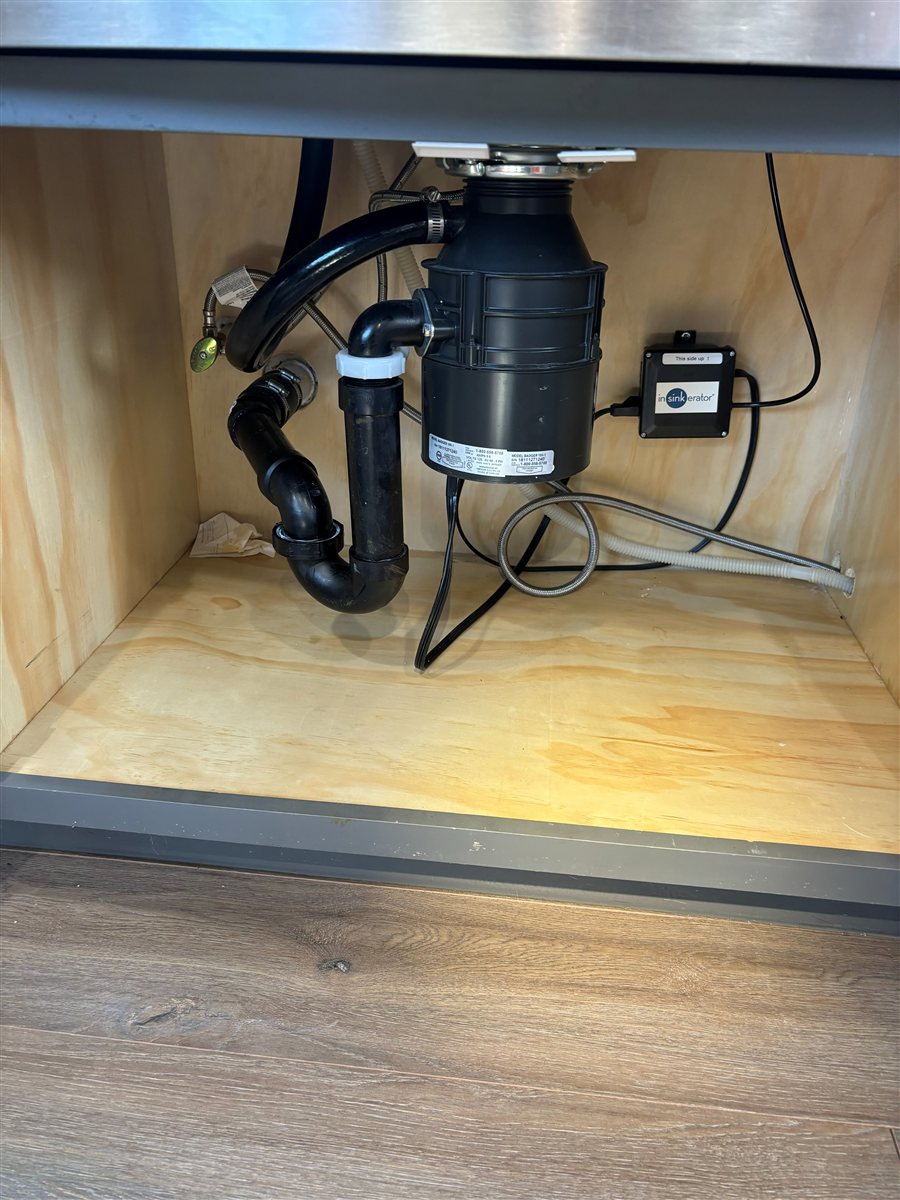
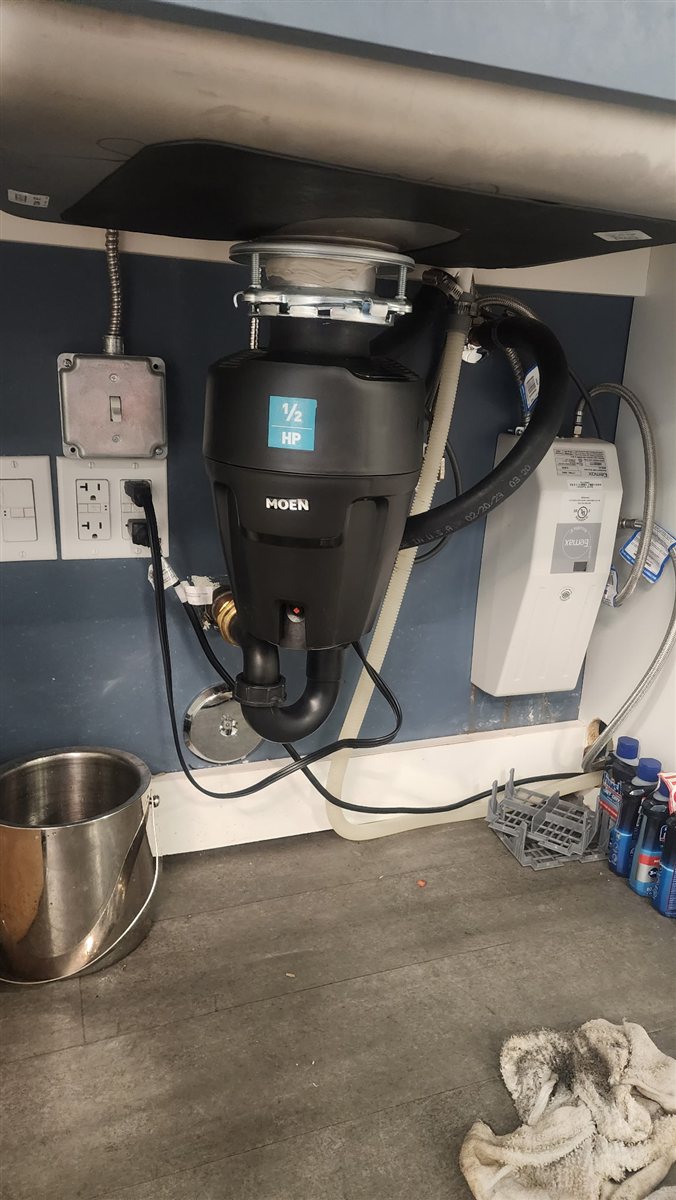
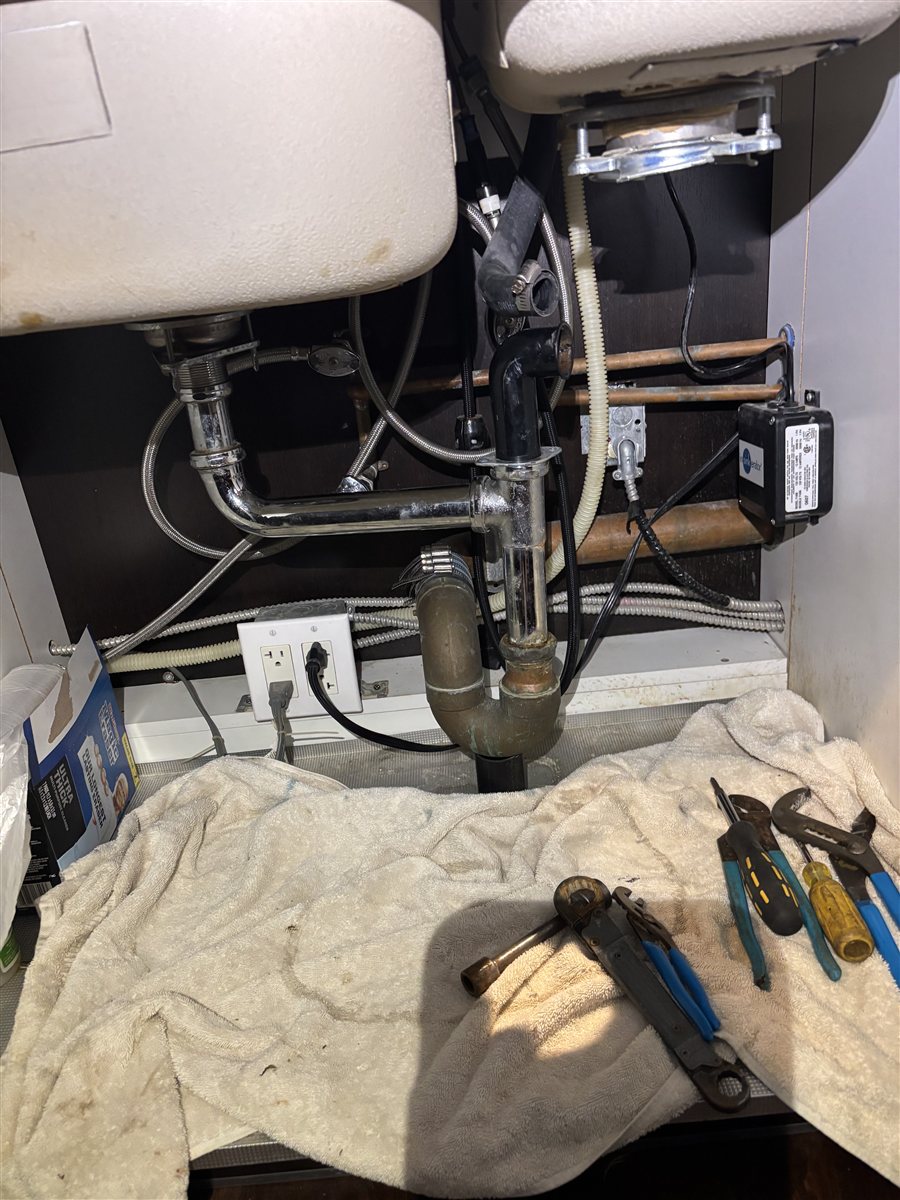
Older kitchens work harder. So do their disposals.
In Escondido's older kitchens, the disposal is often the youngest thing under the sink, bolted to plumbing that predates it by decades, and when it quits, the diagnosis has to read both stories, the unit's and the drain's. Start with the unit, because its failures rank neatly. A hum without spin is a jam, common and fixable. A leak below is seals or housing, case by case. Silence is electrical or motor, and a spent motor closes the repair conversation honestly.
The jam scenario runs the same everywhere, something fibrous or hard locks the impellers mid cleanup, the motor hums its complaint, and the household loses half its kitchen rhythm. The proper clearing is quick with the right tool, and the visit checks what the jam cost on its way through. The leak scenario deserves more caution here than most places, because a disposal dripping quietly into an older Escondido cabinet can run for weeks before anyone notices, and the water finds the vintage cabinetry first. Underneath checks are worth the thirty seconds, monthly.
When replacement is the answer, it gets said plainly, and the install respects both stories, the new unit sized to the kitchen's real use, the connections to the older drain lines done properly, everything tested before the visit ends. If the drain side shows its age during the work, slow flow, buildup, the early signs, you'll hear about it honestly, informationally, no pressure attached. Plain English, straight calls, kitchen back in rhythm. That's the whole visit.
"The unit doesn't announce retirement. It jams, trips, or drips."