Craftsman or tract house, the repair starts with what's under your floor.
In North County's oldest city, a slab leak is usually a long story reaching its ending. The copper went under the concrete when the house was built, the water's minerals have been working on it from the inside ever since, and somewhere in year fifty or sixty, a pinhole finally opens. The house announces it quietly. A warm spot underfoot. A bill that doesn't match the habits. Water sounding somewhere it shouldn't with everything off. The story's ending doesn't have to be dramatic. Here's the calm version.
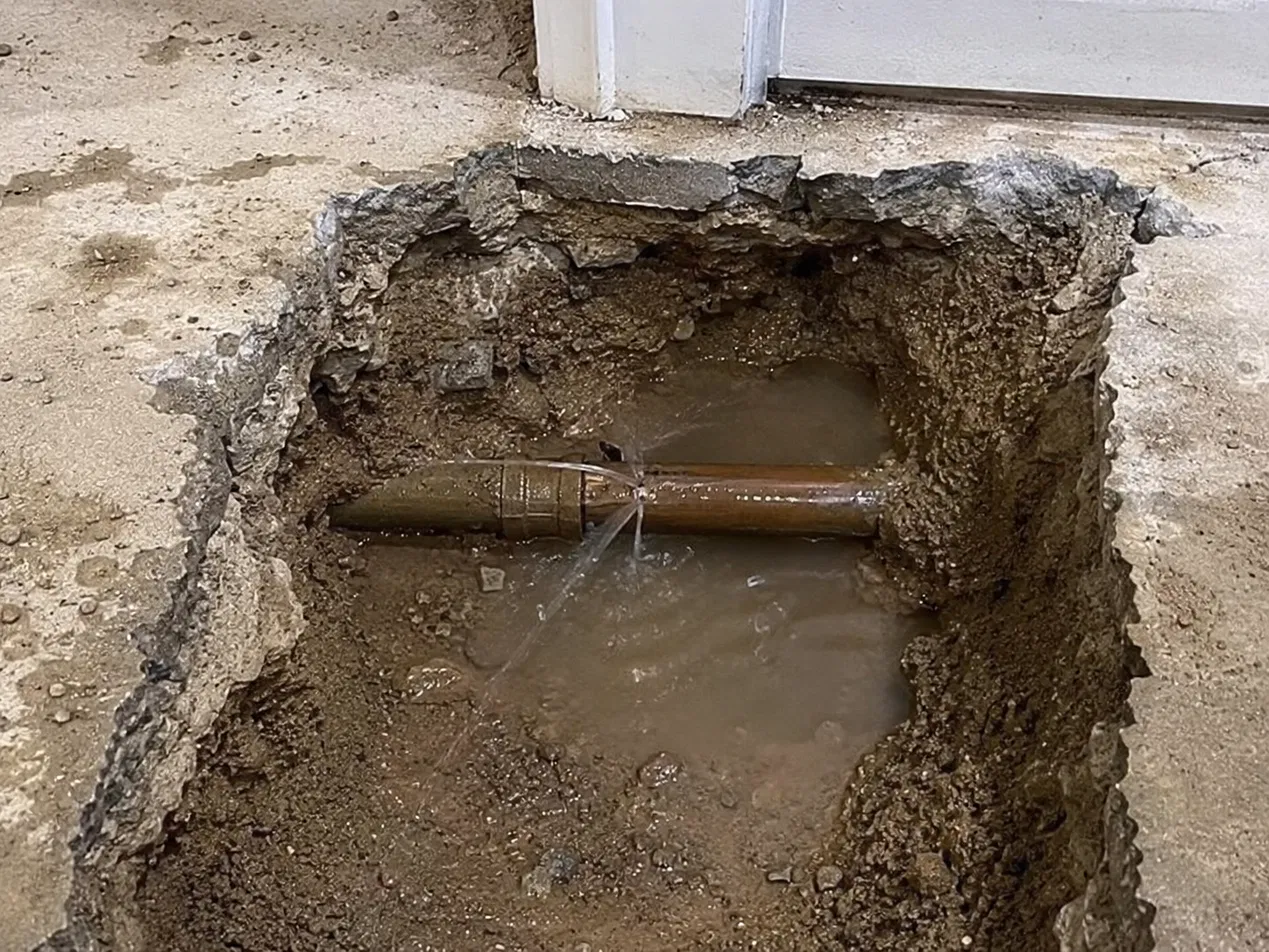
Everything starts with precise, non destructive detection. The equipment locates the leak through the slab, within inches, before any conversation about fixes begins, because the fix should match the finding and nothing else. Then the paths. A precise opening at the marked spot when that's genuinely the best route. Or the reroute, abandoning the failed run and carrying new line overhead through the walls, a fix that never touches the slab and often makes more sense in Escondido's older homes, where the next pinhole in that same era of pipe is a matter of time.
That's the honest part of the conversation, and it happens plainly. One leak might be one leak. A pattern is the pipe's era announcing itself, and the options, from targeted fix to repipe, get laid out with their real tradeoffs in plain English. You decide, at your pace, with a licensed contractor performing the work when you're ready. The house spent decades getting here. You're allowed a few days to choose the ending.
"Two houses a mile apart can need two different repairs."