In a city built on hills, pressure is a lottery.
In North County's oldest homes, water pressure has had the longest run of anywhere, decades of the street's full force working on plumbing that was already historic when the regulator either quit or was never installed. The call that finally comes in is almost always about the noise, the banging when the washer stops, the knock when a faucet closes fast. The noise is real, and it's also the least of it.
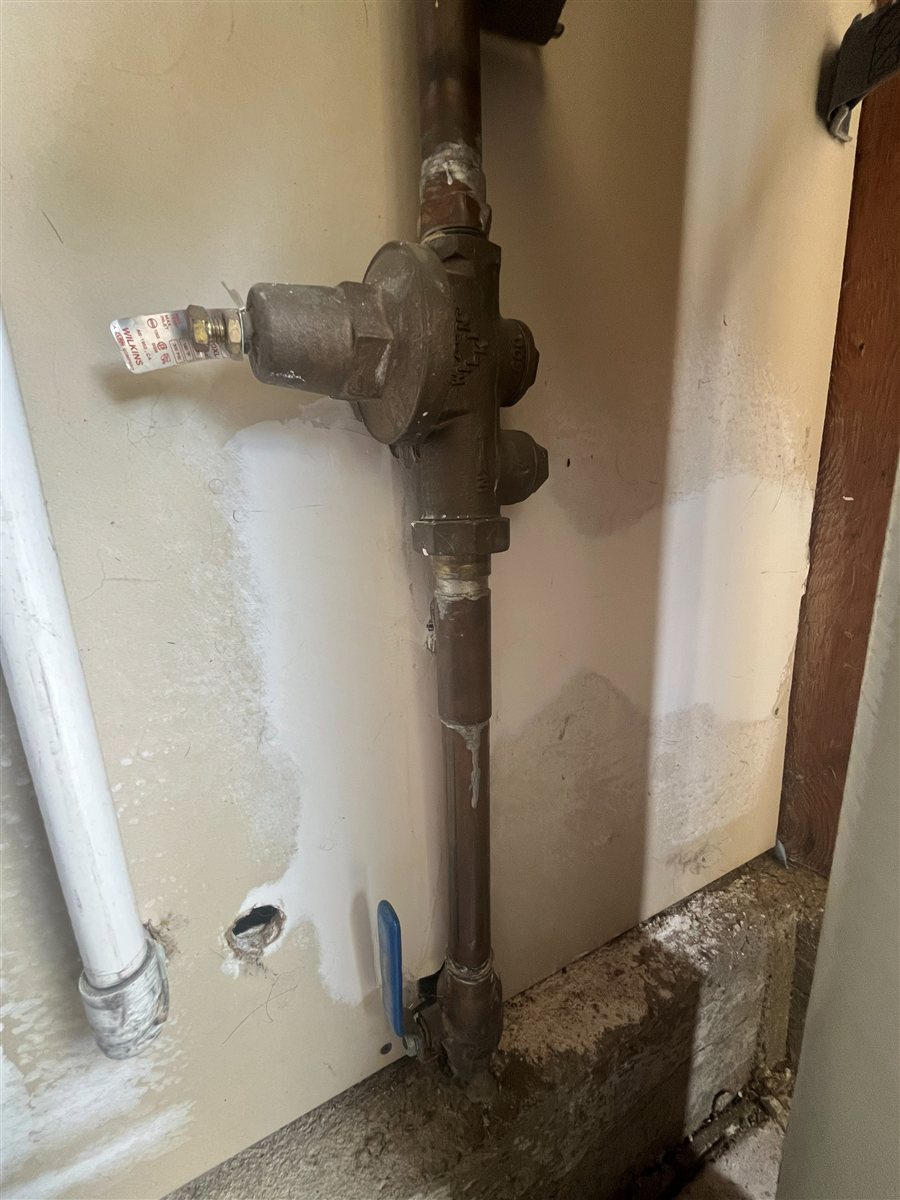
Pressure out of range is a whole system tax. It stresses century old joints, wears faucets and fixtures early, strains supply lines, and shortens appliance lives across the board, with the water heater paying the steepest price, tanks under chronic high pressure age in fast forward. In Escondido's vintage housing, where the plumbing has enough years without extra strain, unmanaged pressure accelerates everything you'd rather slow down. The PRV is the answer at the source, one device holding the entire system in the healthy range, and its three possible states, working, quietly failed, or never installed, produce identical symptoms until somebody measures.
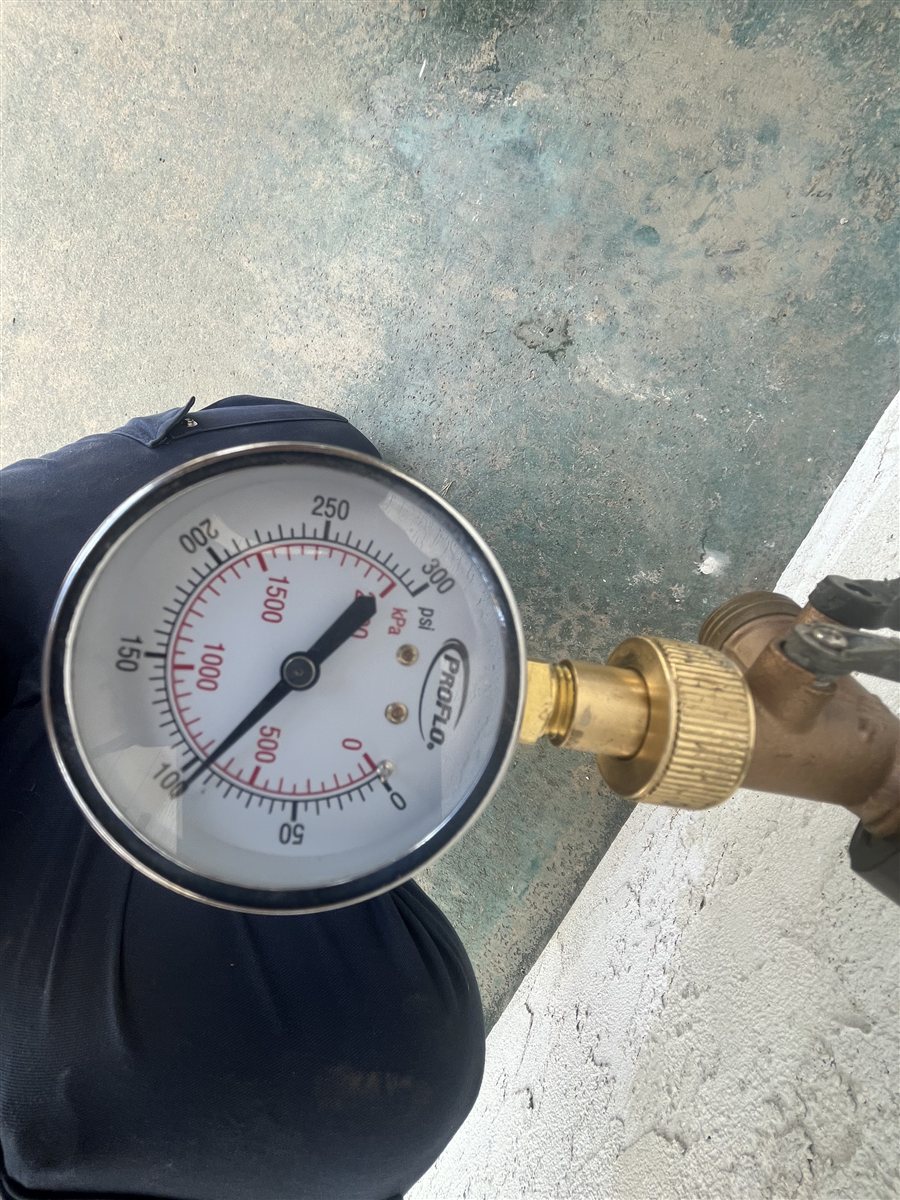
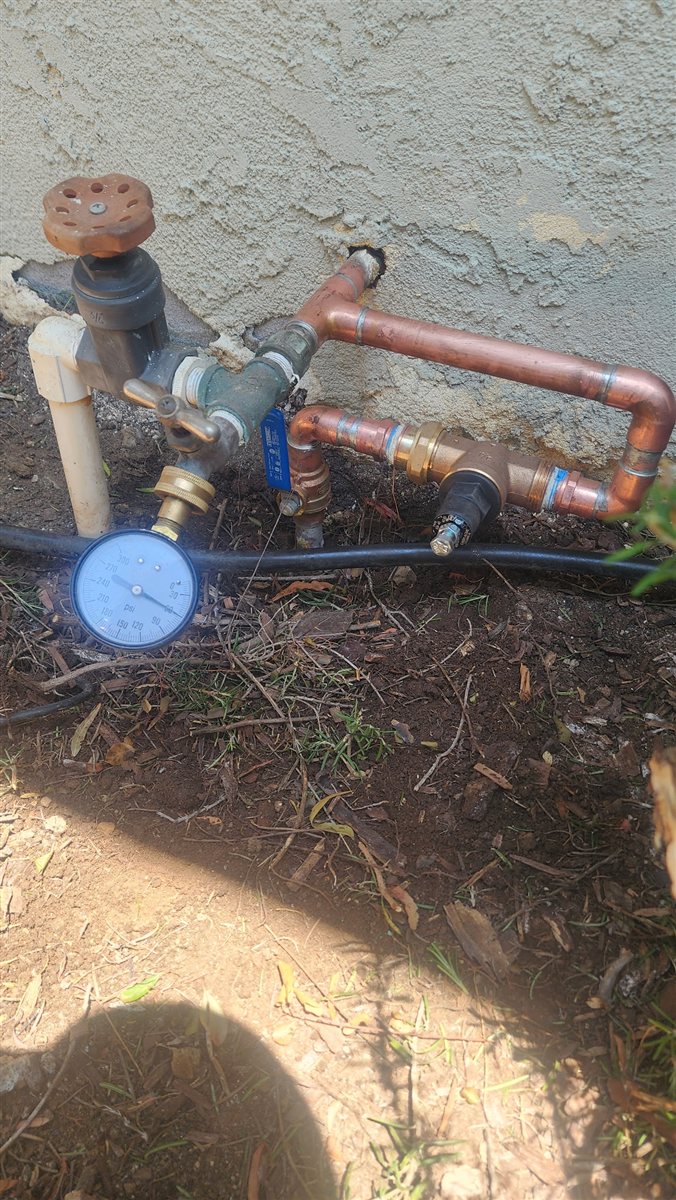
Measuring is the visit. A licensed contractor puts a gauge on the system, reads what the street's been delivering, evaluates the regulator situation honestly, and explains it all in plain English, what's there, what it's doing, what the options are. Homes without a regulator get the straight version of what adding one protects, and how it brings a historic system in line with modern code. The pressure has been writing its history in your plumbing for generations. Reading it takes one visit.
"Two houses, three blocks apart, two different pressure lives."