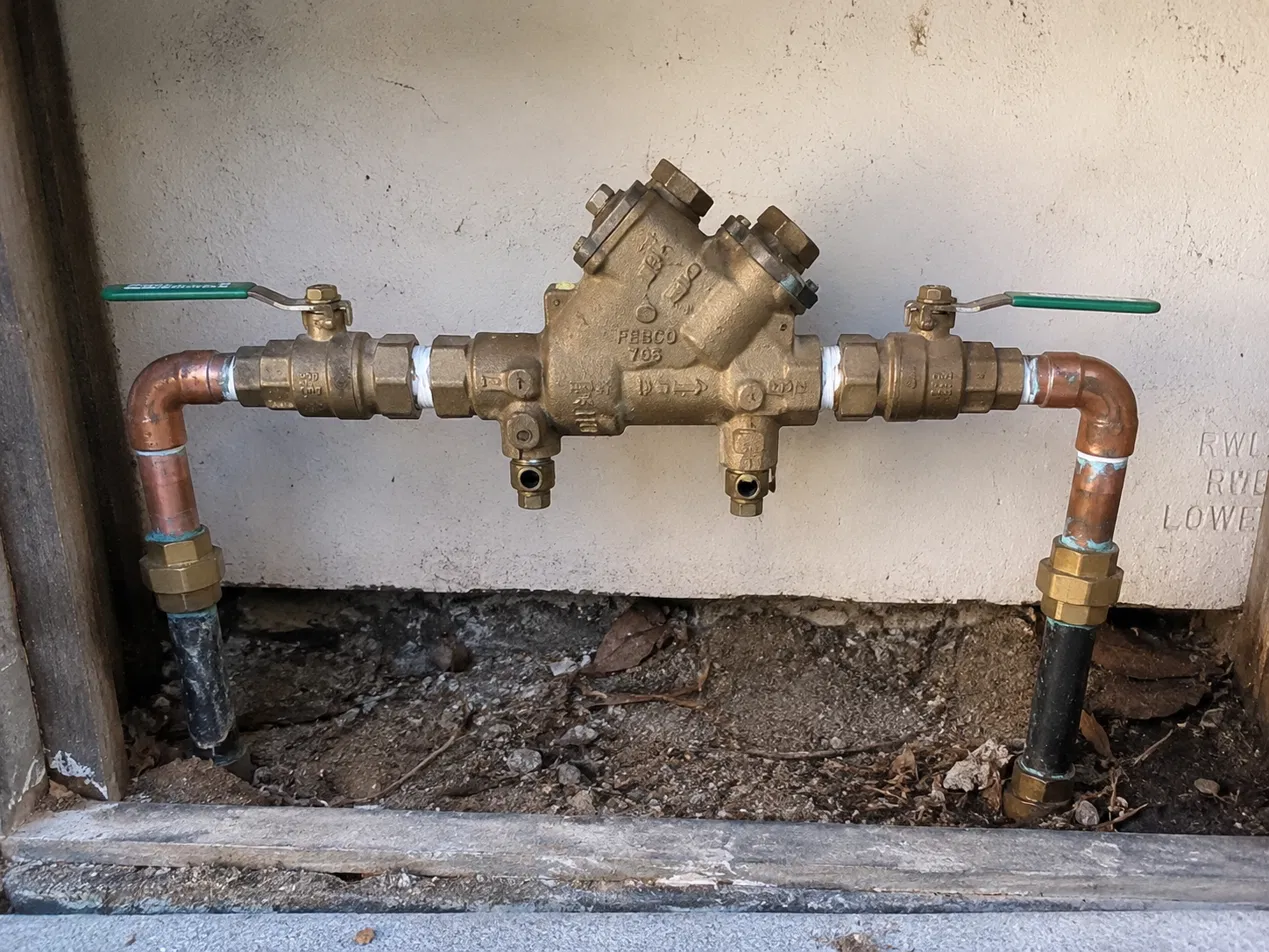
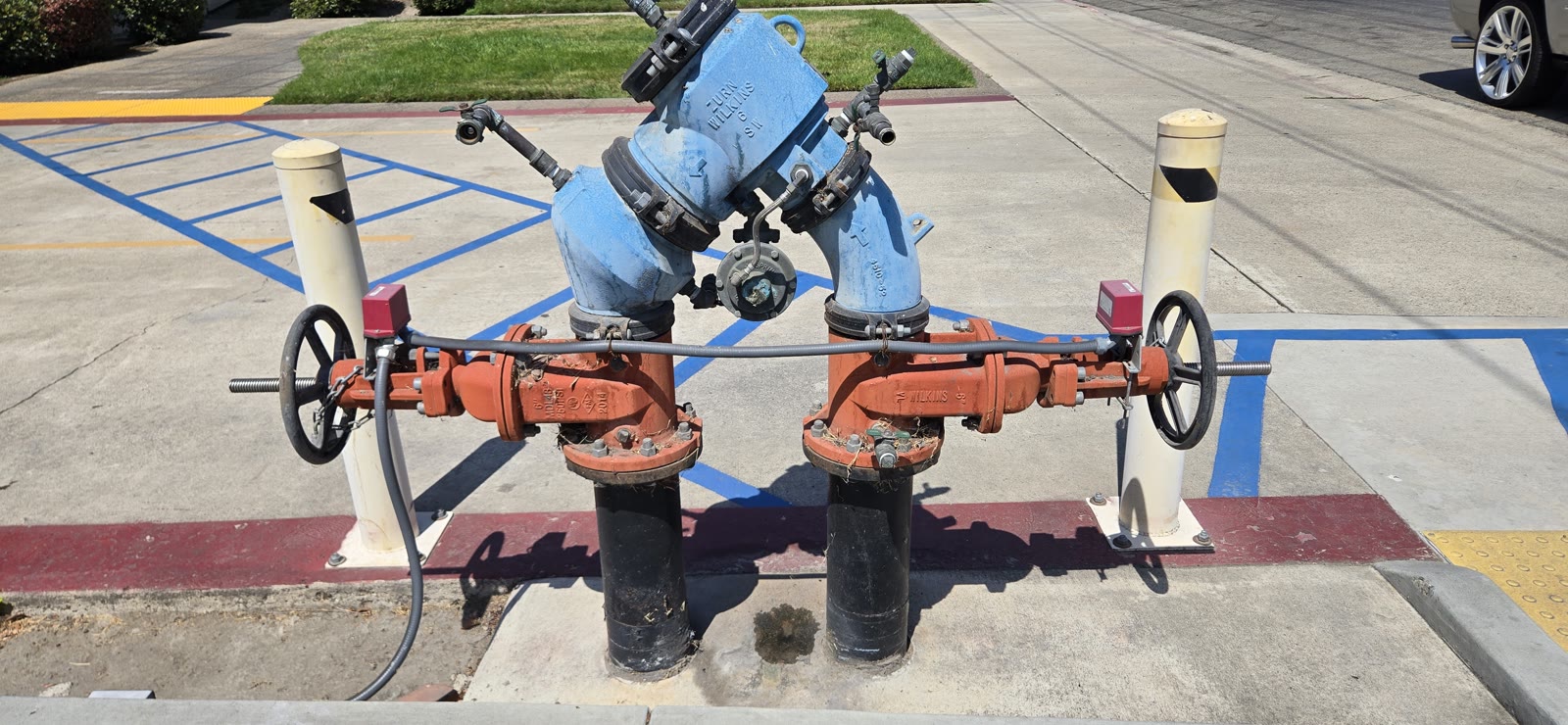
Out here, backflow prevention covers more ground than the city version, literally and situationally. The properties run bigger, the water systems run more varied, municipal connections, wells, serious irrigation serving groves and gardens, and the crossover points where those systems meet are exactly where backflow protection earns its keep. The rule is the same as everywhere, water flows one direction, and nothing from the property side, irrigation runoff, well system water, agricultural lines, gets a path backward toward the shared supply.
The formal obligations follow the property type. Commercial operations, multi unit properties, and properties with substantial irrigation or fire systems often carry required assemblies with testing schedules, documented with the water authority, and the notices arrive on the calendar like clockwork. The country factor is the equipment's life outdoors, assemblies serving acreage live exposed, and weather, irrigation cycling, and time wear them on their own schedule. A failed test or a leaking unit moves the matter from letter to project, and the project wants licensed hands and finished paperwork.
Both get handled here, performed by or under a licensed contractor, the testing, the repairs, the replacement of assemblies that have served their years, with the documentation completed and the communication running plain, like a neighbor explaining it over the fence. What the requirement is, what the device needs, what the work involves, no mystery anywhere in it. Big properties, varied systems, one absolute rule, kept enforced. The Friendly Village way.