Out here, sewer runs measure in fractions of an acre, and a trench across one is real excavation, through the land you actually use, past the trees you actually planted, sometimes across the run to your septic system. When a long rural line finally needs more than clearing, the trench math gets ugly fast. Which makes the trenchless inside rebuild worth knowing about before anything else. For qualifying lines, the whole fix happens within the existing pipe, and the property above never changes.
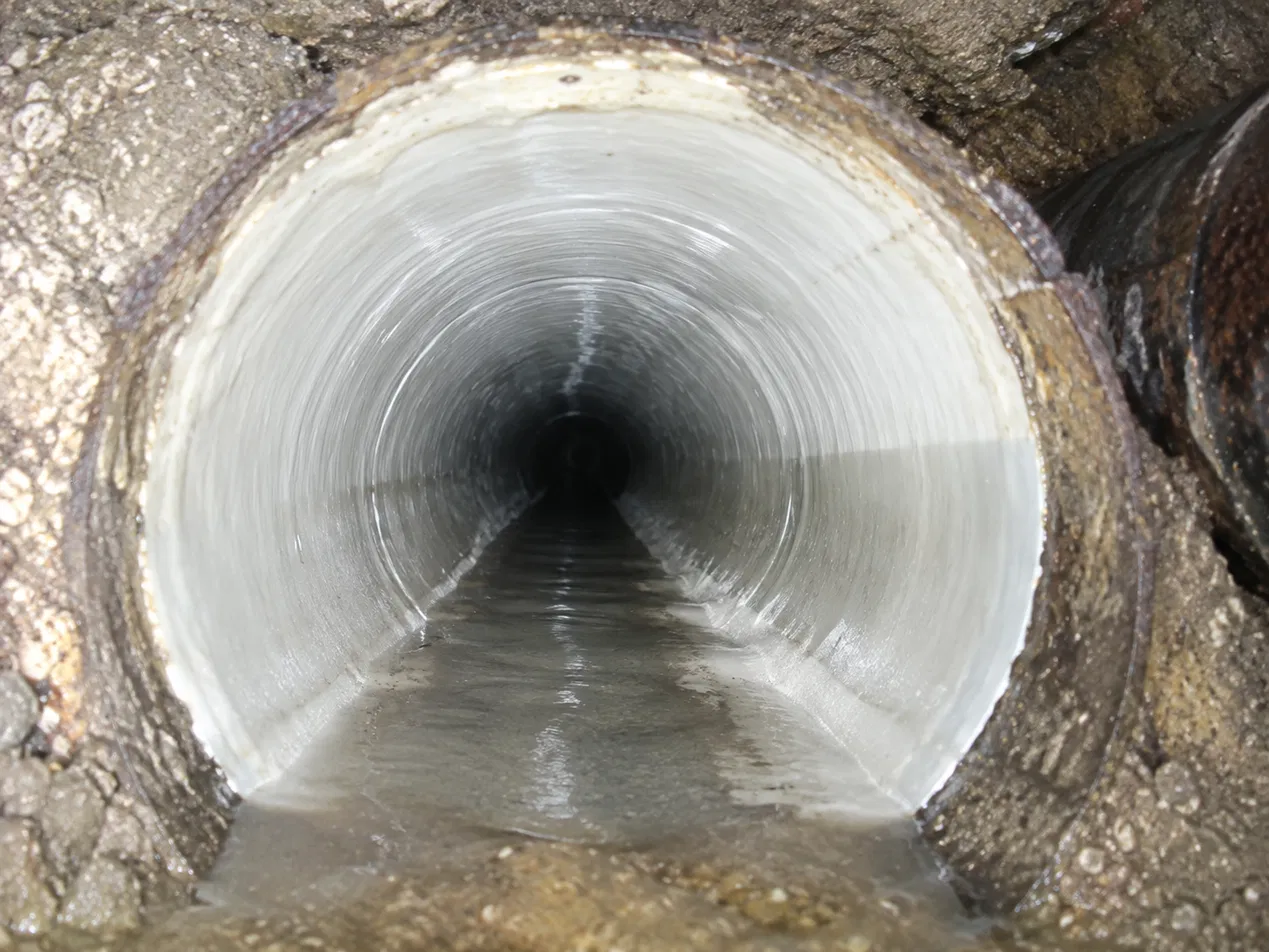
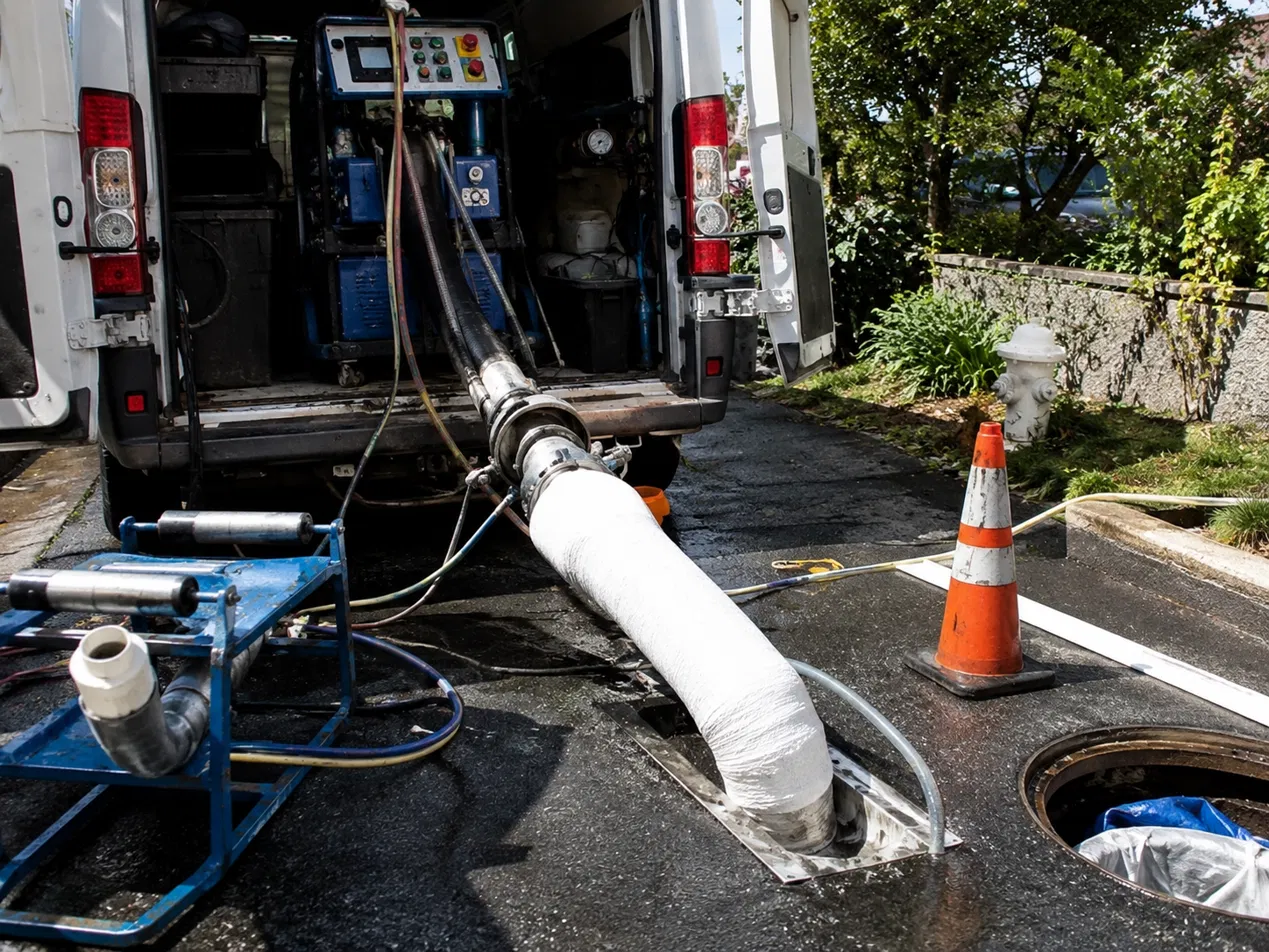
Pipe lining, CIPP, travels the line from the cleanout. A resin soaked liner presses against the old walls and cures into a new seamless pipe inside them, jointless, structural, and built for decades. On a long Fallbrook run, that seamlessness pays twice. The serious roots out here, the oaks, the eucalyptus, the grove stock, lose every joint they've been exploiting along the whole distance at once, and the long line that took years to develop its problems gets closed out in a day. The land above, every foot of it, stays exactly as it was.
The country version of the fine print. Lining needs a pipe that still holds its shape, and the camera travels the full run first, marking what's real before anything gets proposed. Long lines sometimes qualify entirely, sometimes in sections, and the footage lays it out honestly. Then it's the conversation, plain as a neighbor would put it, options and tradeoffs on the table, your decision at your pace, a licensed contractor performing the work when you say so. Big land deserves fixes that respect it. The Friendly Village way.