Out here, the sewer line, or the septic line, has real distance to cover. From the house, across the property, through ground that's home to some of the county's most established trees, and every foot of that run is somewhere a problem can sit. When backups start on acreage, the guessing gets expensive fast, because even finding the issue by digging means digging in the right place, and on a long rural run the right place is hard to guess.
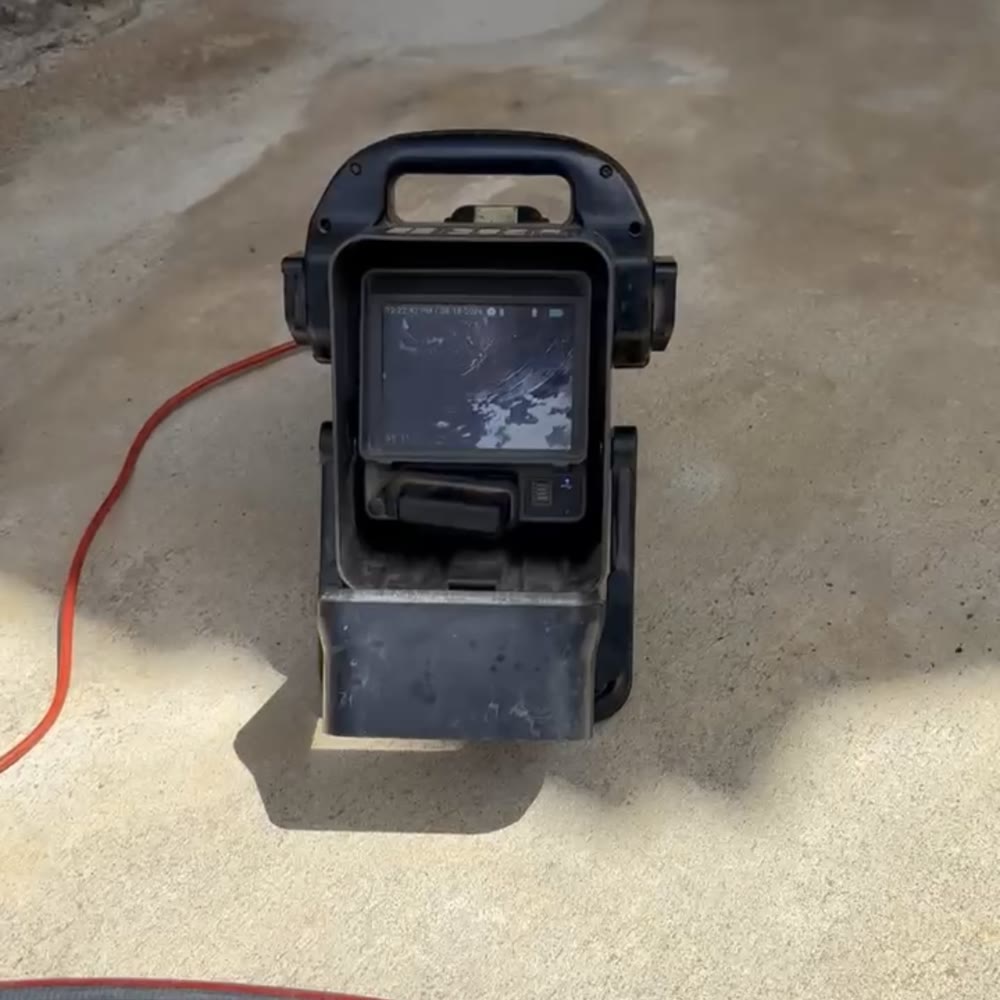
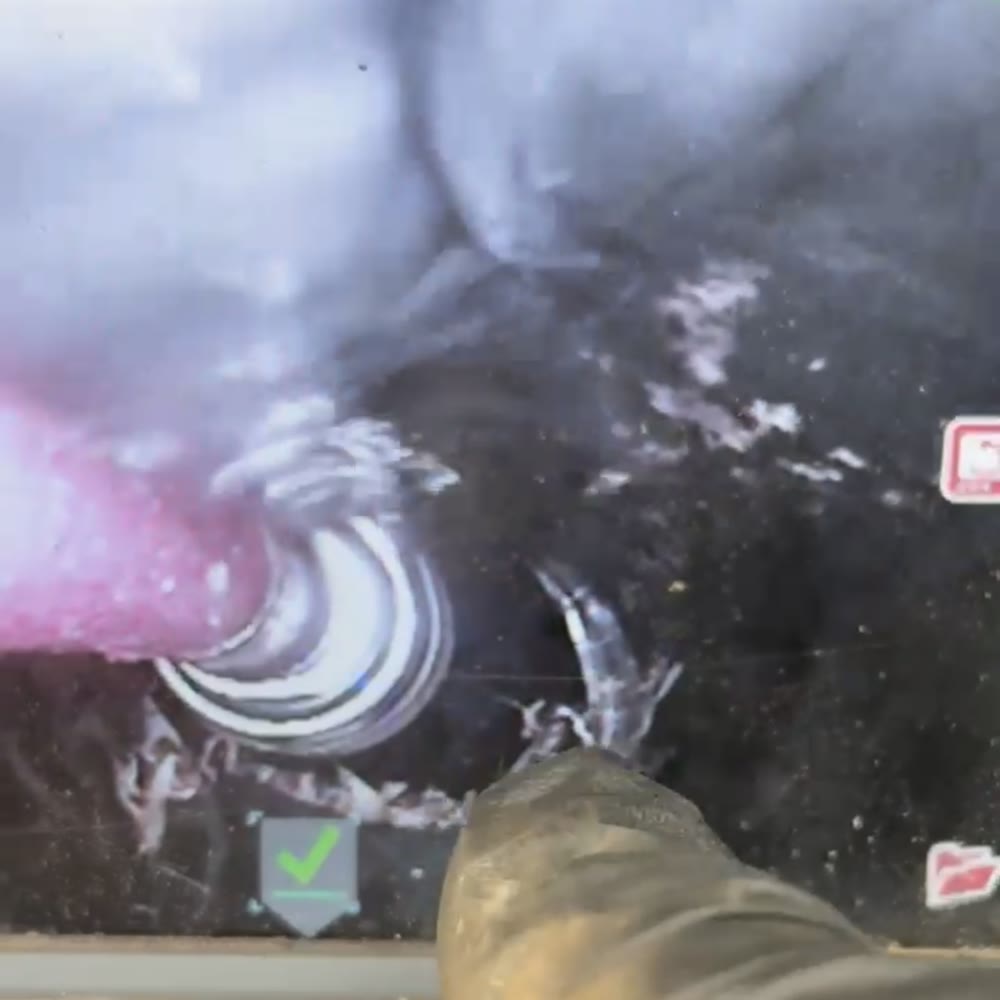
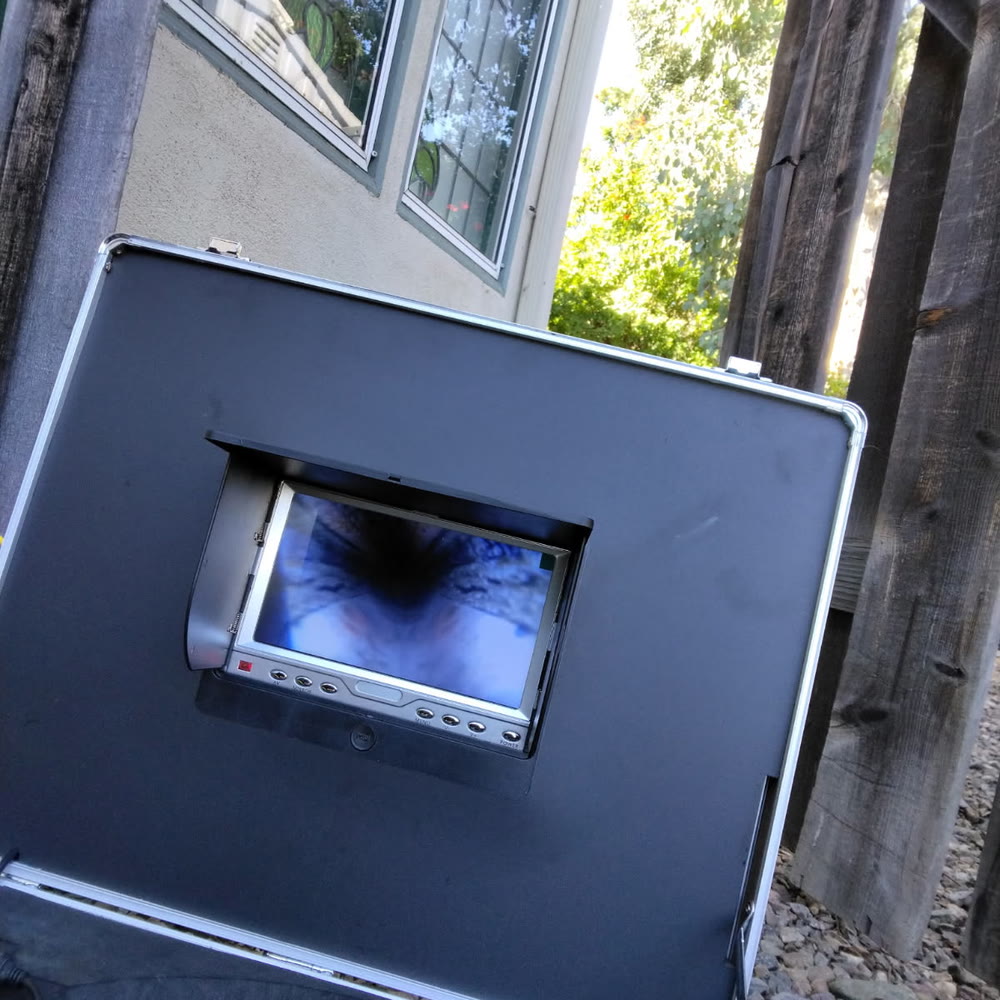
The camera takes most of the guessing out. A sewer inspection sends a small camera down the line with live video for as far as it can travel, and on a long run that sometimes means going in from more than one access point. What it passes shows up on screen. The roots, and out here the roots are serious, oaks and eucalyptus and decades of avocado and citrus, the low spots where a long run has settled, the cracks, the joints that have shifted out of line, or the all clear. A locator above ground picks up the camera head, so the contractor can mark roughly where a problem sits, and if digging ever does happen, it starts there instead of across the yard. On a property with real distance, that matters a lot.
The visit ends with straight talk. What's down there, what it means and what the options are, laid out plainly. If the line's fine, that's the answer. If it's not, you'll know what you're dealing with before a single decision gets made. Then it's your call.