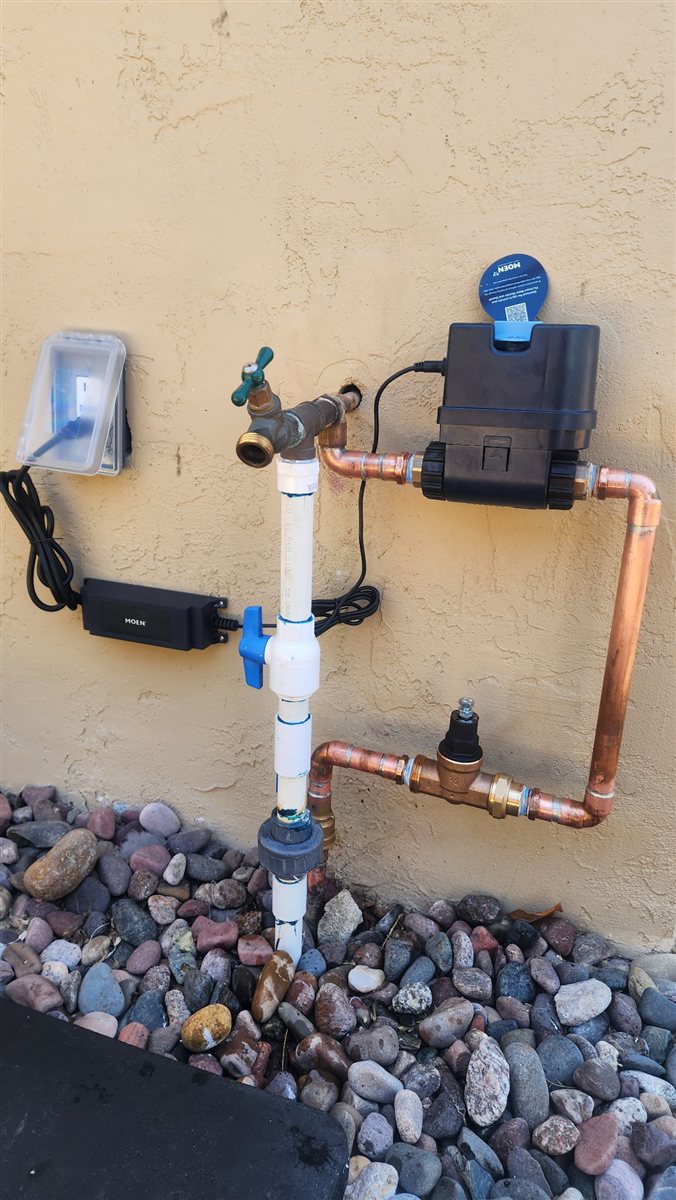
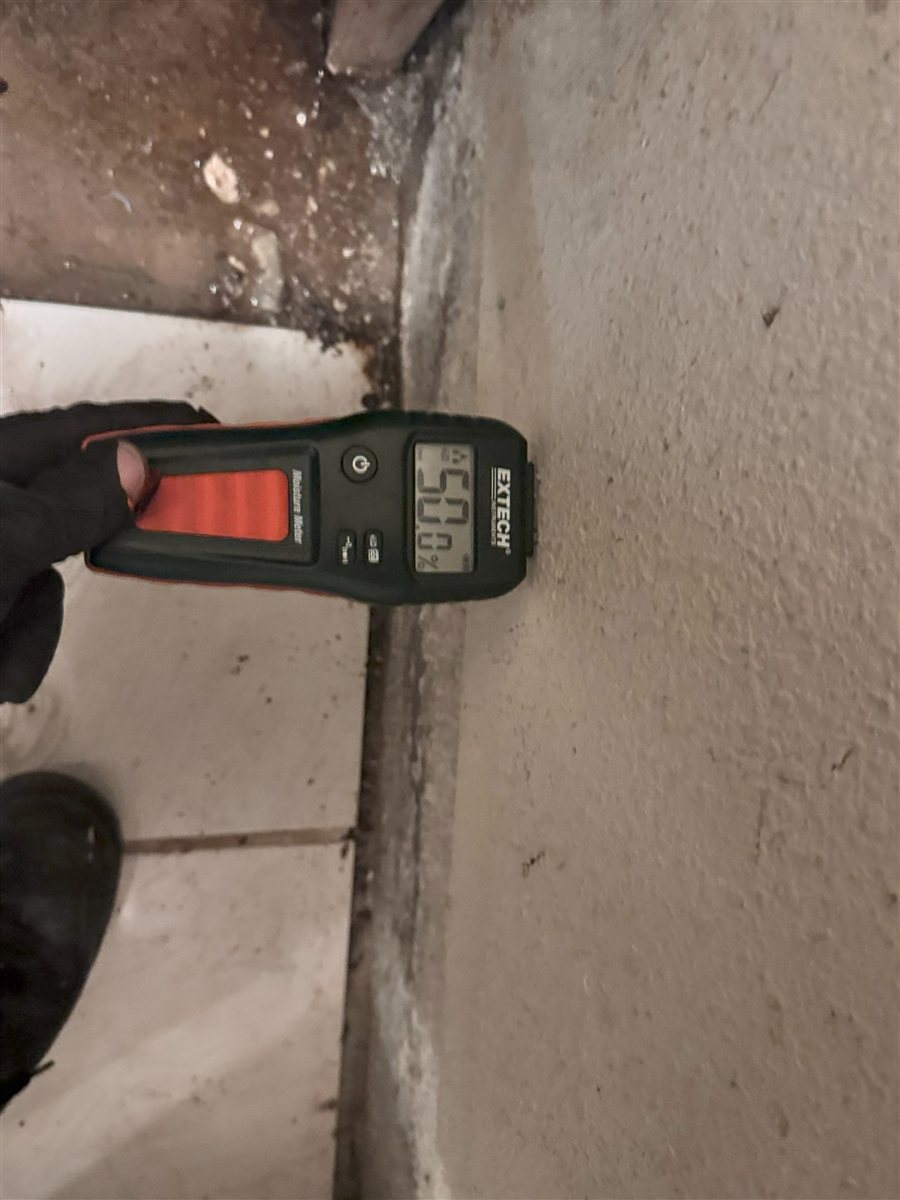
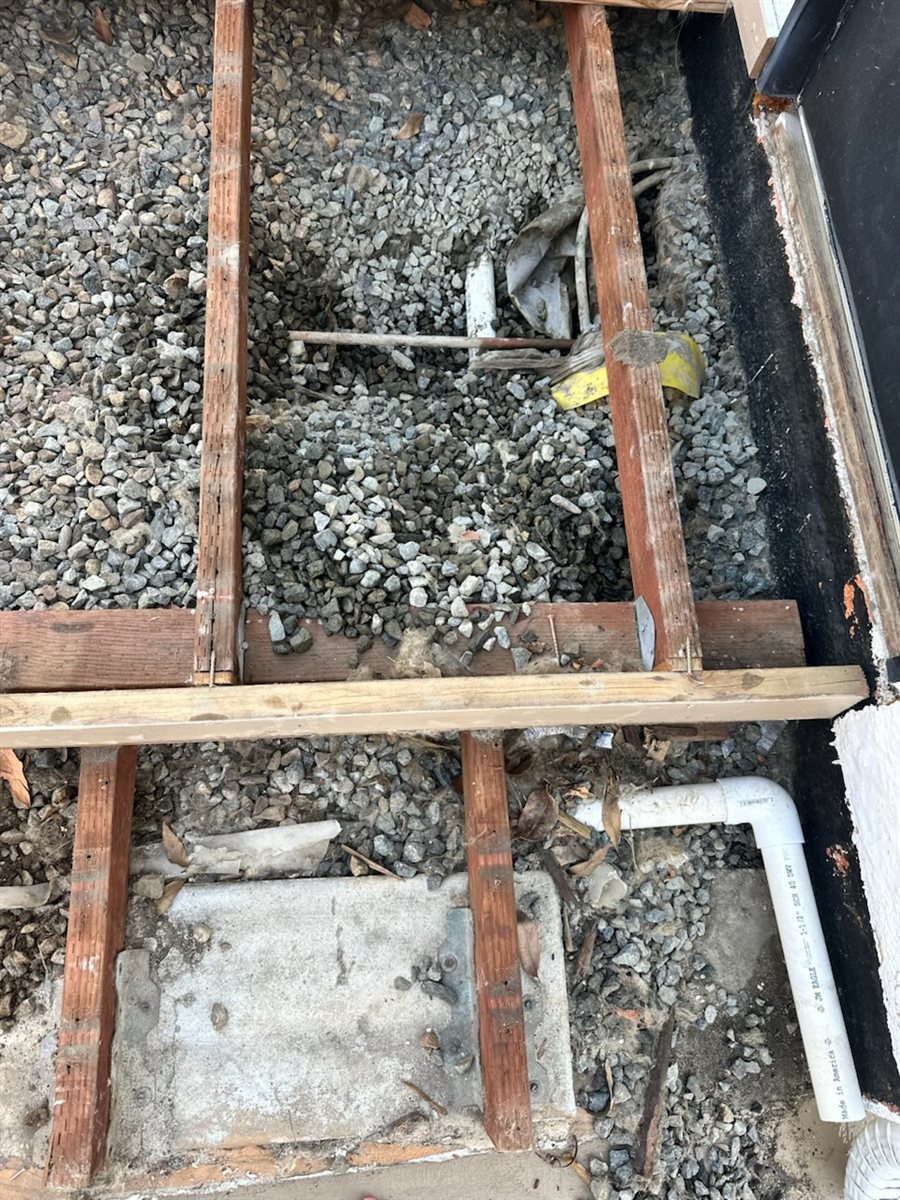
The leak you can't see is the one that costs the most. We find it first.
On acreage, a hidden leak has more places to hide than anywhere in the county. The run from the meter to the house alone can cross a hundred feet of ground, then there's the irrigation, the lines to the outbuildings, the well system if you're on one, and the house itself. So when the signs show up, a bill that jumped, a green stripe in the yard during the dry months, pressure that's slipped, a meter that won't hold still, the question isn't just whether something's leaking. It's where, across an entire property.
That's exactly the search detection equipment was built for. It traces lines across distance, listens through slabs, reads what's happening underground without digging up the yard on a guess, and it ends with the spot marked, wherever on the property it turns out to be. Then the conversation happens, in plain English, about what it is and what the options are, before anything gets opened or dug. Out here especially, find first and dig second is the difference between a repair and an excavation.
If the search clears the property? That's a good day's work, the fear crossed off, the mystery pointed somewhere smaller, maybe the irrigation controller instead of the main line. Either way, the wondering ends and the facts arrive, and every decision after that is yours, made at your pace, the Friendly Village way.
"They found it under the slab in one small spot. No jackhammering the whole floor."