The tract regulators went in together. They're giving up together.
Here's a Valley pattern hiding in plain sight. Whole neighborhoods went up in the same year, with the same builders, the same materials, and the same pressure regulators, and regulators are equipment with lifespans. Fifteen or twenty years on, the street's regulators are aging on the same schedule as everything else, and when they start failing quietly, house by house, the symptoms arrive the same way everywhere, banging pipes, blasting showers, appliances retiring early, and almost nobody connects the dots to the little device at the front of the system.
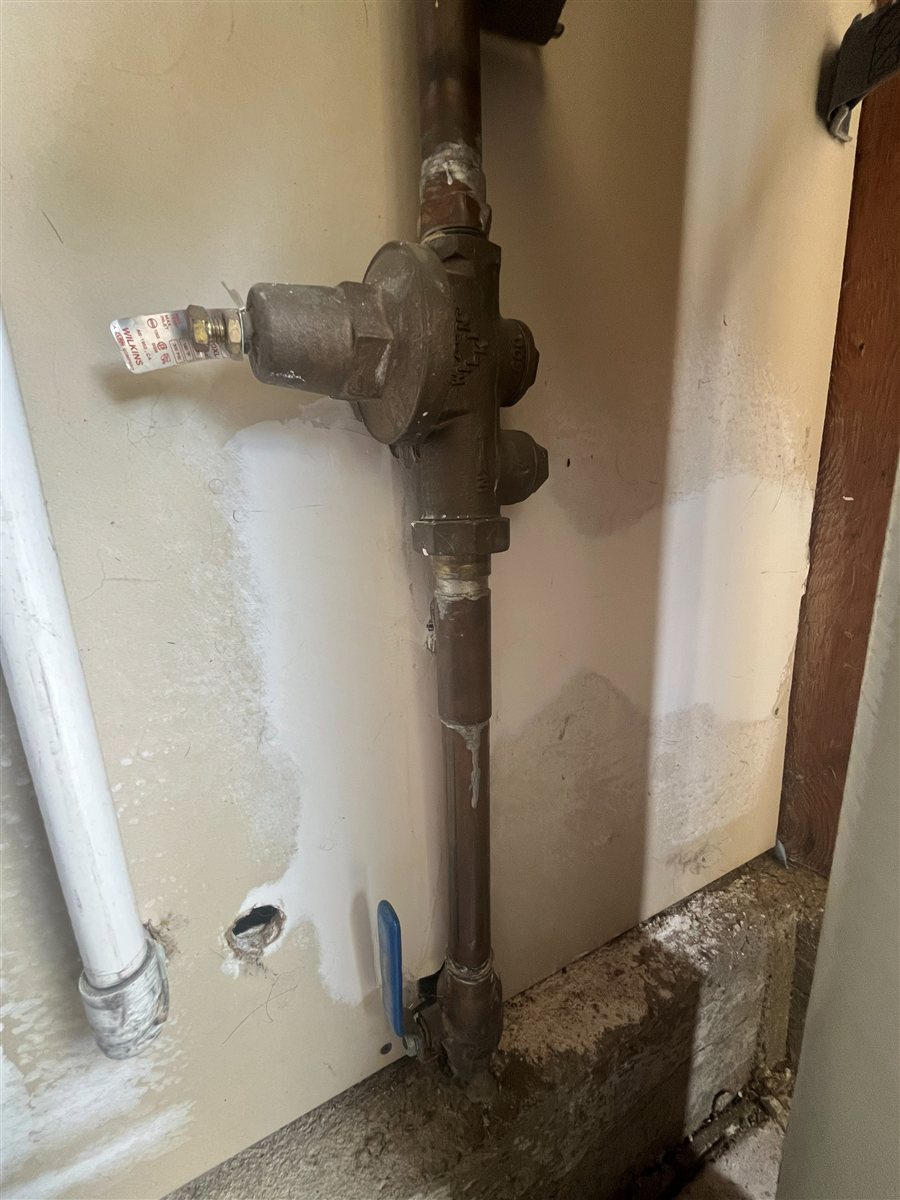
The dots connect like this. Pressure above the healthy range taxes everything downstream, every joint, every fixture, every supply line, and the water heater hardest, chronic strain retires tanks years ahead of their warranties, and in a valley where hard water is already shortening equipment lives, unmanaged pressure stacks a second tax on top. The PRV holds the line, literally, keeping the street's delivery in the range the house was built for. When it fails, it fails silently, and the house goes back to taking whatever the street sends, with no announcement beyond the slowly accumulating wear.
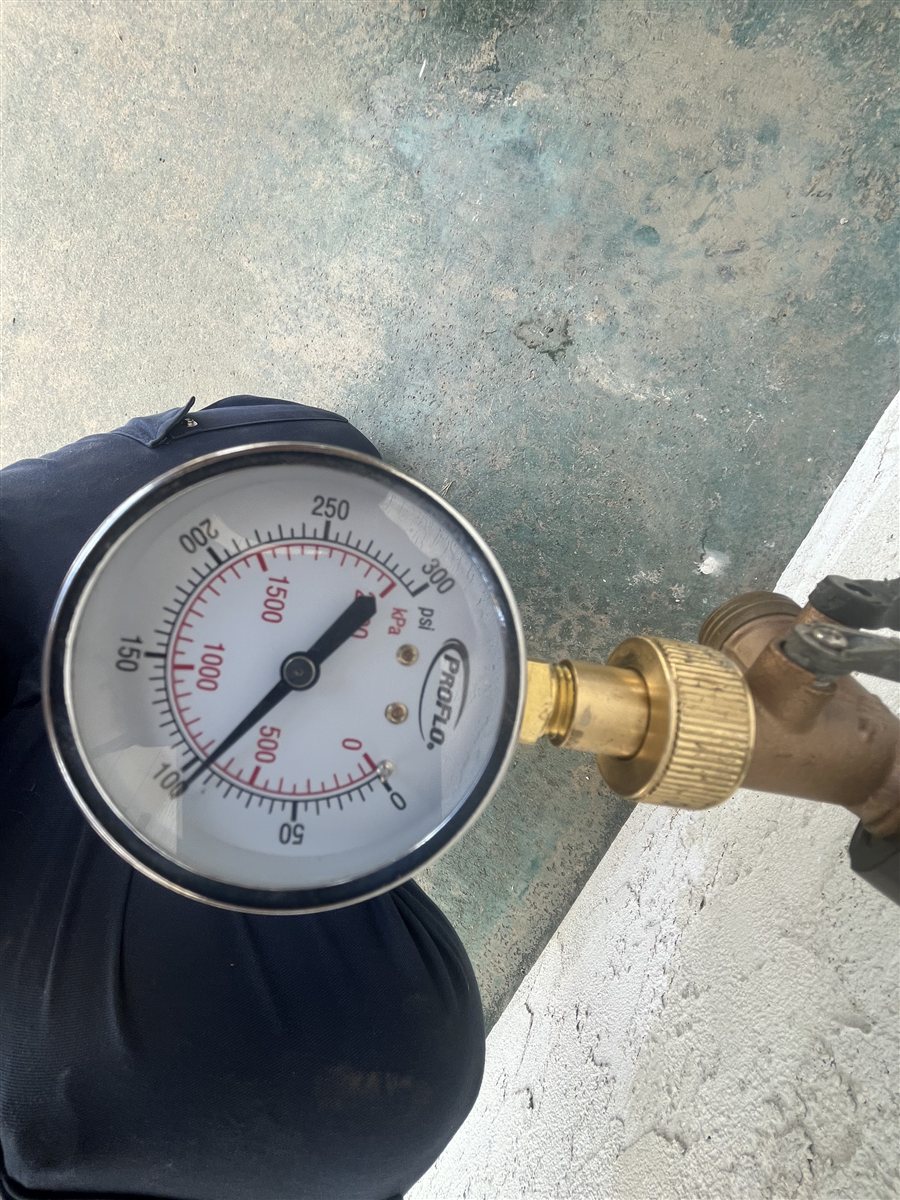
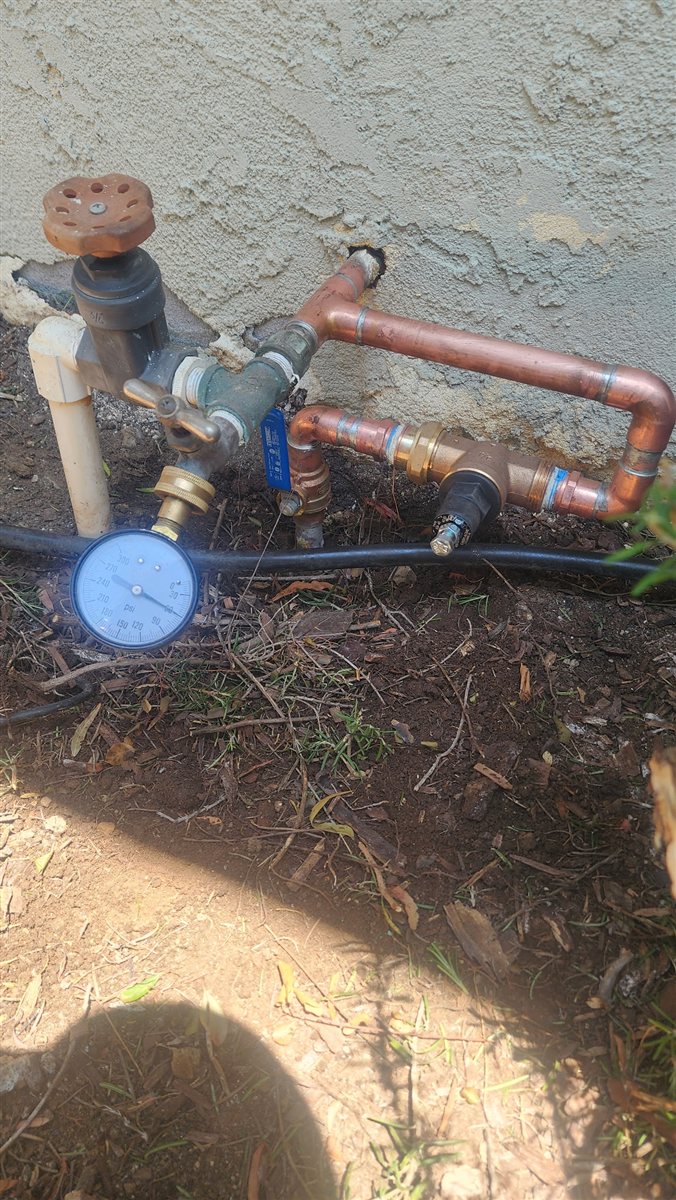
The status check is one visit. A licensed contractor gauges the actual pressure, reads the regulator's condition, and explains the honest picture in plain English, working, failing, or finished, with the options for each laid out plainly. Given the shared install years across the Valley, a failing regulator on your street is often the neighborhood's preview, worth knowing early. The house is young. The strain doesn't care. One measurement settles what the pressure's actually been doing.
"It failed silently two summers ago. The gauge is how you find out."