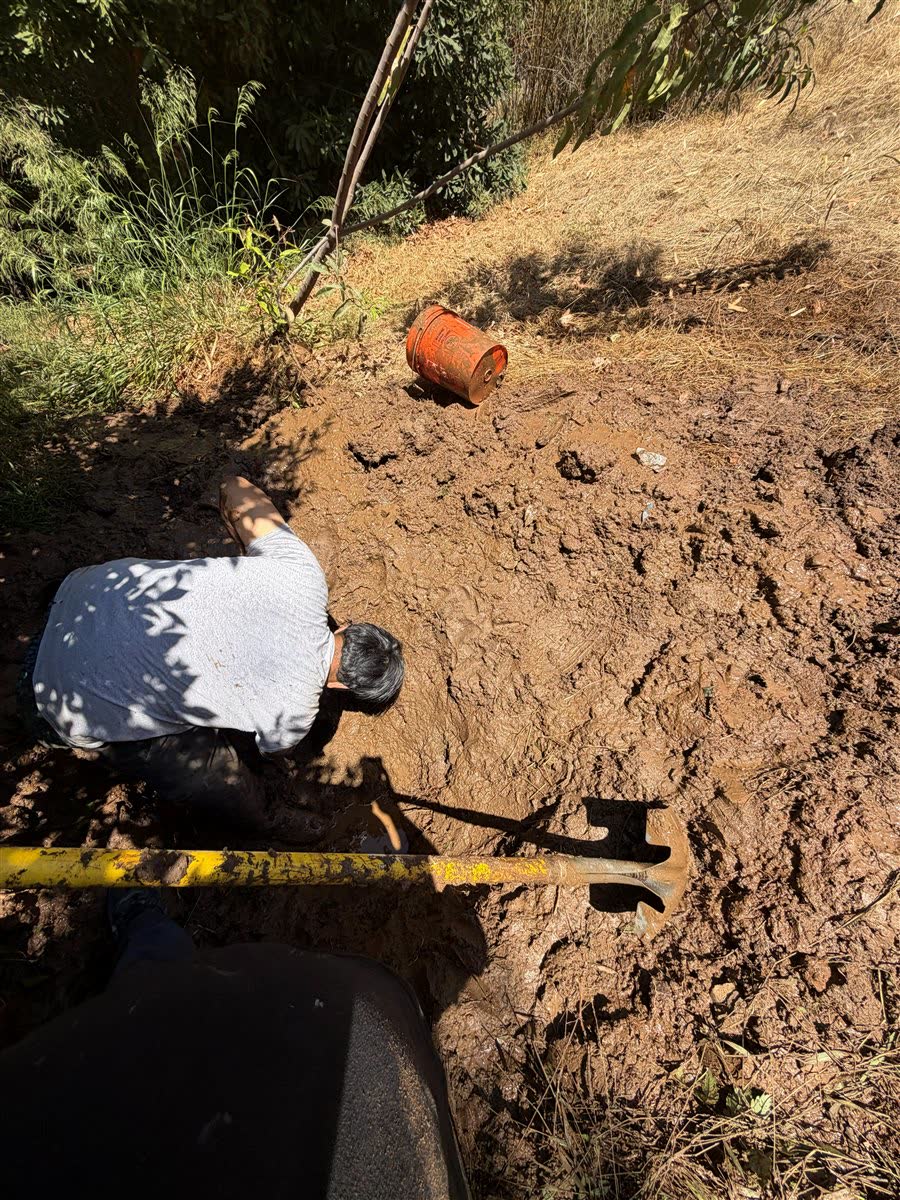
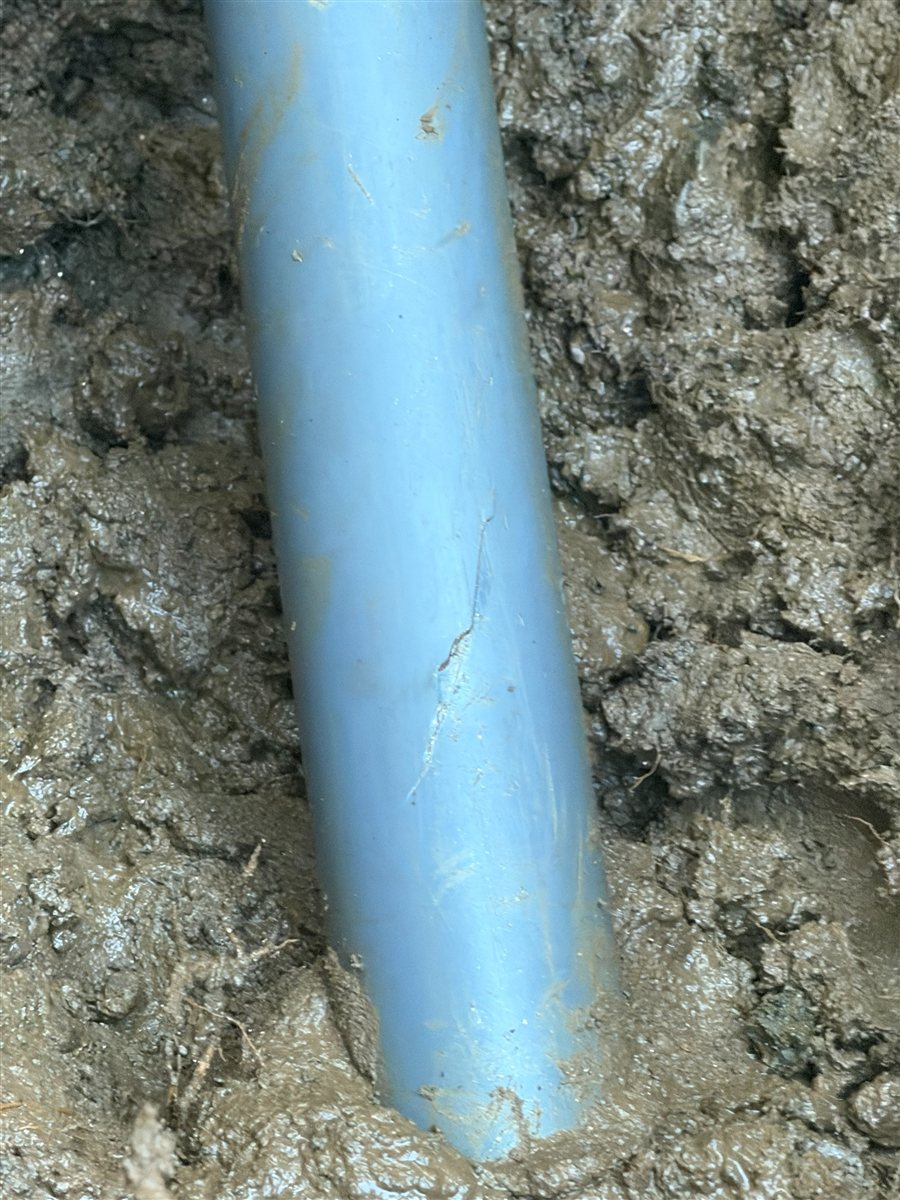
The Valley's water mains are young lines with a hard job, delivering the county's most mineral heavy water through neighborhoods that all went in the same year, under yards whose landscaping has spent two decades reaching root depth. When a Temecula main fails, it surprises people, the house is only fifteen years old, and the signs read the same as anywhere, the wet patch that persists, the meter moving with everything off, the pressure that sagged house wide, the bill that jumped, plus the Valley's tell, when one house on a street meets its main, the street is often being previewed.
The response runs on precision. The line gets traced and the failure located exactly, and young line findings have their own profile, a fitting that was the build's weak point, a section that settling or a finally arrived root crushed, a connection the hard water's decades of work found first. The fix scopes honestly to the finding, a targeted repair at the marked spot, which in young lines is usually the story, the rest of the run typically has decades left, or the fuller conversation when the evidence genuinely calls for it, with trenchless methods available for the runs where open trenching would cost a mature backyard its twenty years of growth.
Waiting improves nothing, the leak bills continuously and the saturated ground works on hardscape and slab alike. So the process protects the decision, locate first, explain in plain English, options with real tradeoffs, the saved findings worth keeping in a valley where your failure may preview the neighbors', your choice at your pace, a licensed contractor performing the work on your go. Young neighborhoods, hard water, precise fixes. The Valley's version of the story, told honestly.