A failing sewer line rarely needs a full replacement. The first step is finding out what it actually needs.
The Valley's sewer lines are young by county standards, which makes a serious line problem here feel almost unfair. The house is twenty years old, how is this happening? Here's how. Whole neighborhoods went in at once, with the same materials and the same construction practices, and if a builder's shortcut or a settling issue exists on your street, it likely exists up and down your street. Add twenty years of maturing landscaping finally reaching root depth, and the Valley's line problems are arriving right on schedule. Just not the schedule anyone advertised.
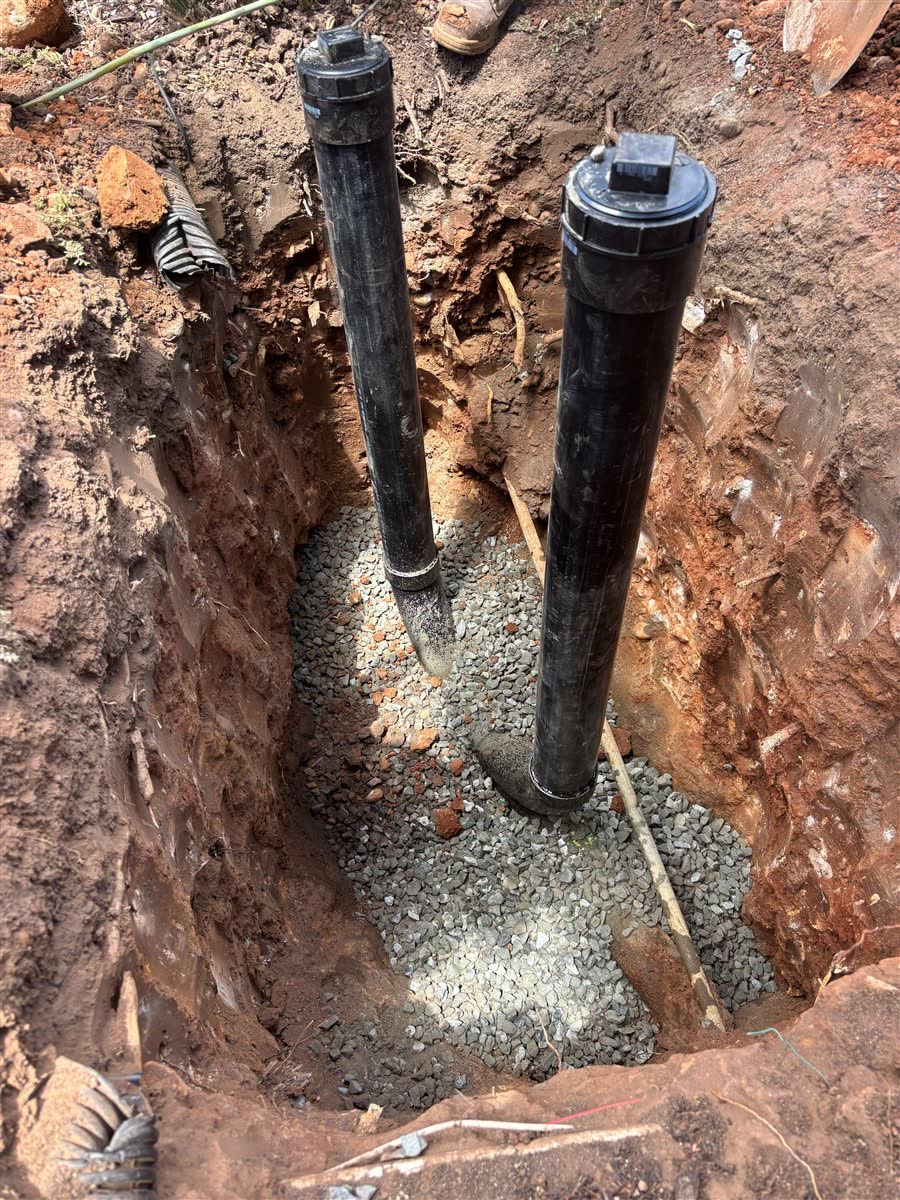
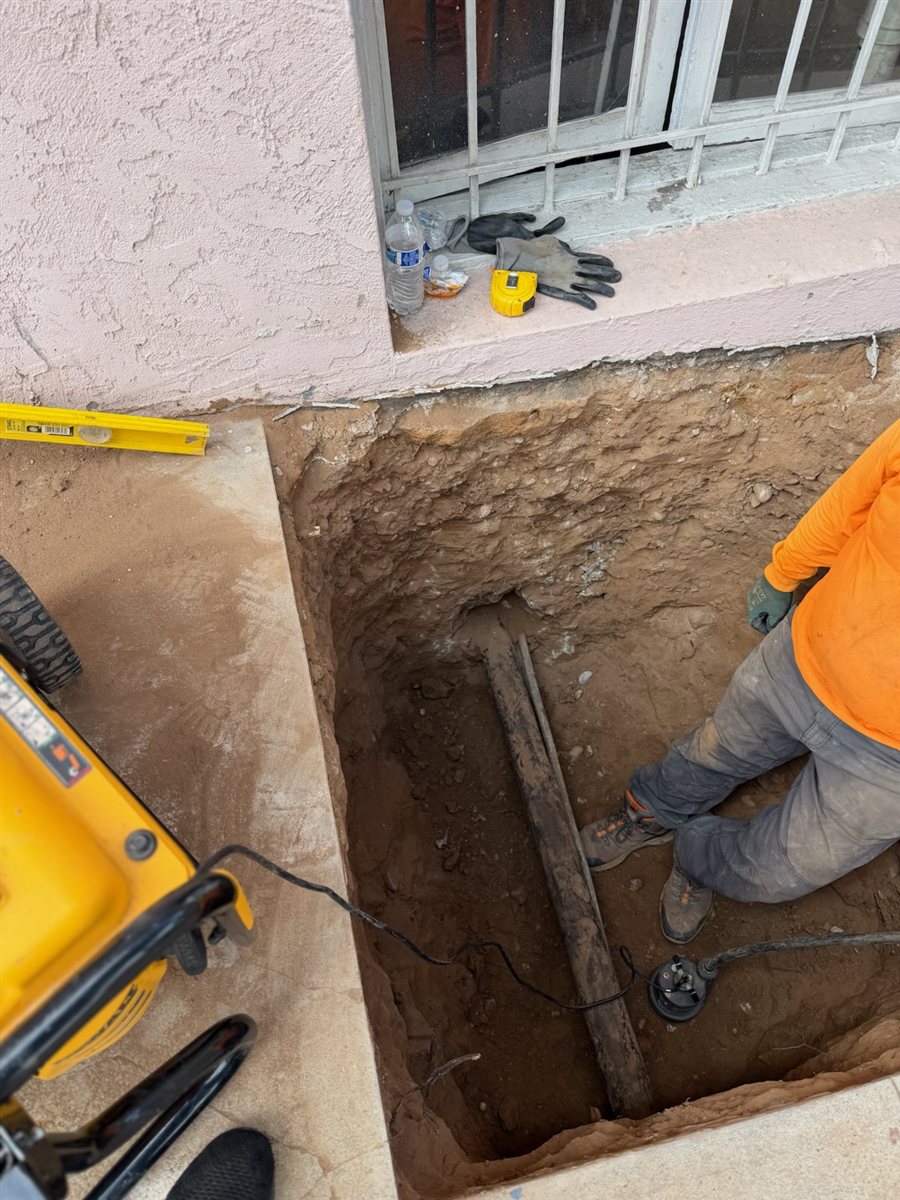
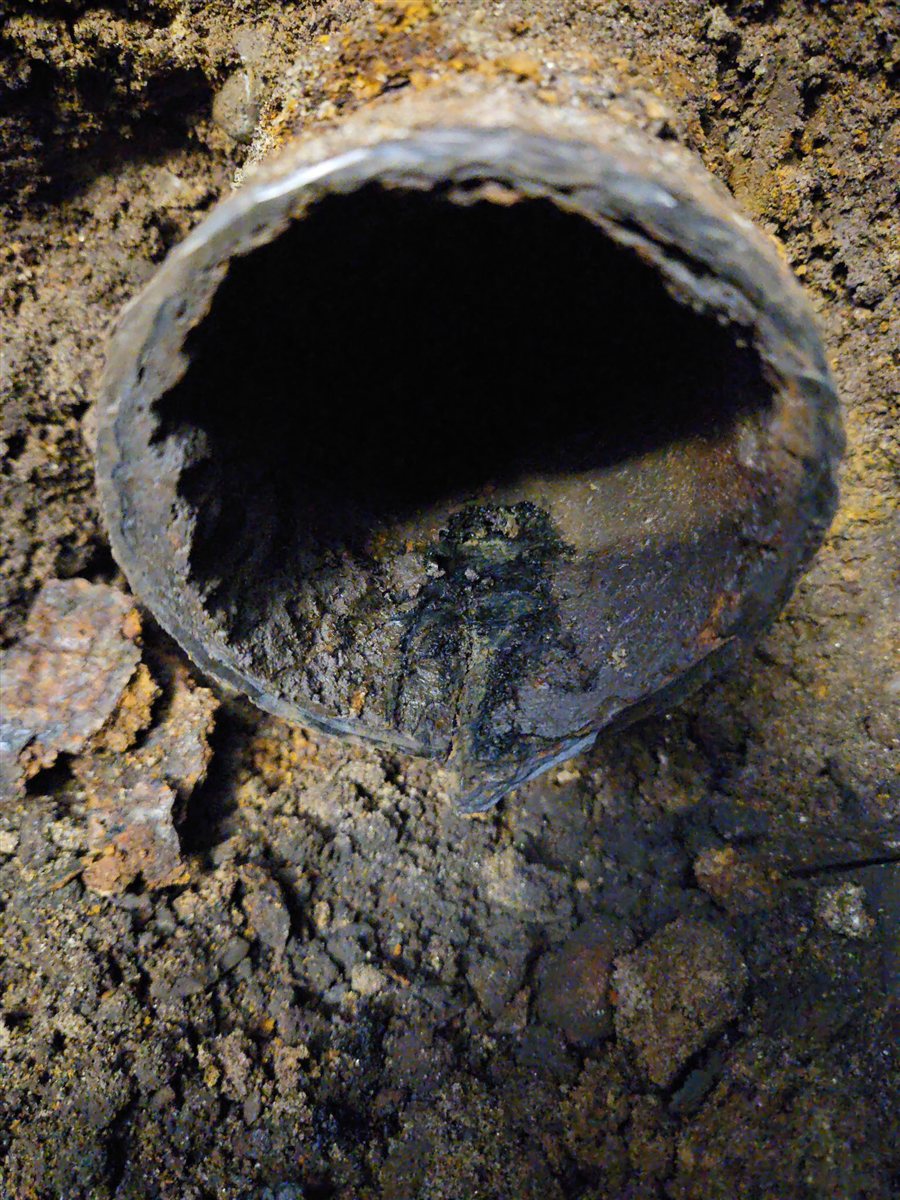
The response starts where it always should. Camera first, before any conversation gets serious. The footage sorts a young line's problems honestly, a root intrusion at a joint the landscaping finally found, a low spot from settling, construction debris that's been waiting since the build, a section that needs addressing as a section. Full replacement is rare in lines this age and enters the conversation only when the evidence puts it there. More often, the fix is specific and the rest of the line has decades left, which is exactly the kind of thing you want to know before anyone quotes anything.
Everything gets explained in plain English, every option with its tradeoffs, and the saved footage stays yours, worth its weight if the issue turns out to be neighborhood wide and worth discussing with an HOA or a builder. The decision is yours, made at your pace, with a licensed contractor performing the work when you're ready. Young lines deserve accurate diagnoses, not big ticket guesses. Here, that's the whole approach.
"I braced for replacing the whole line. They found one bad section, dug one spot, and fixed it. Honest work."