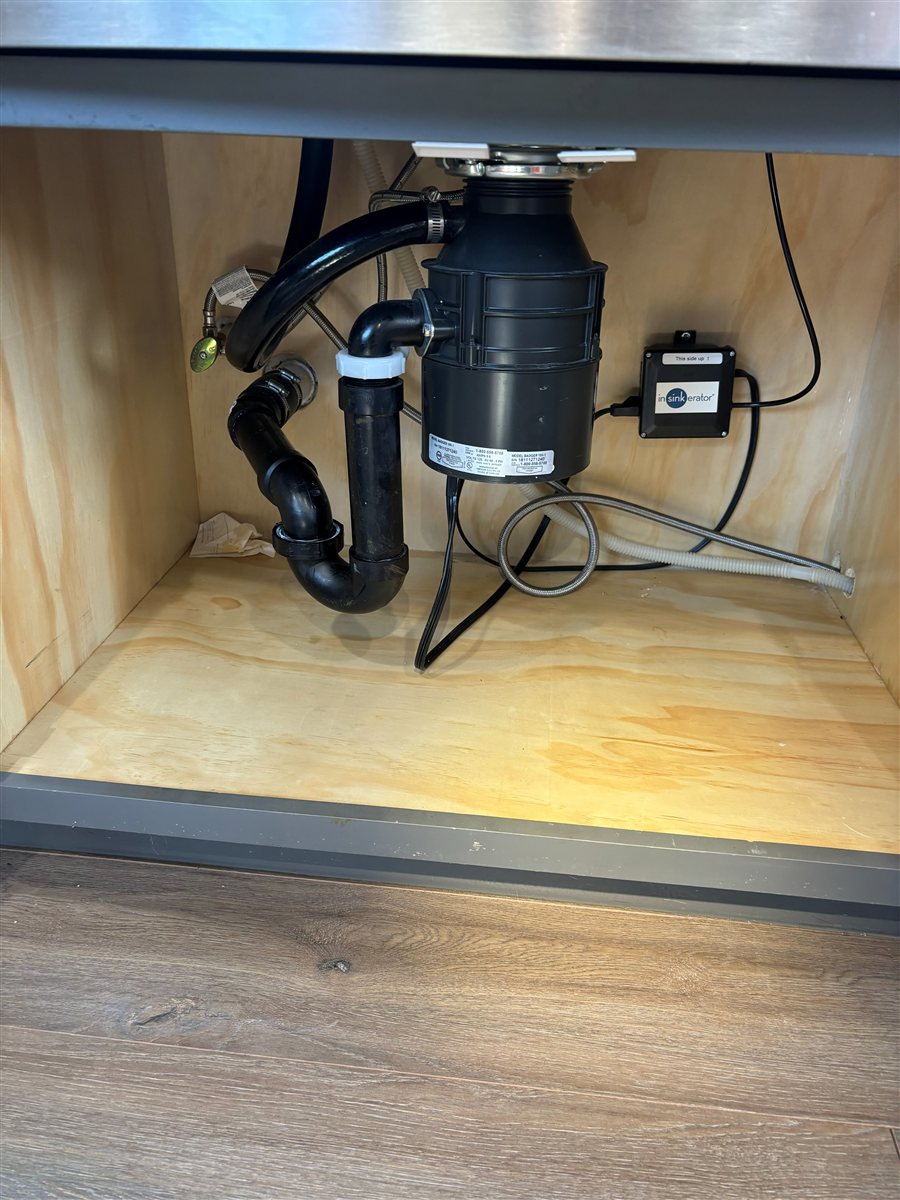
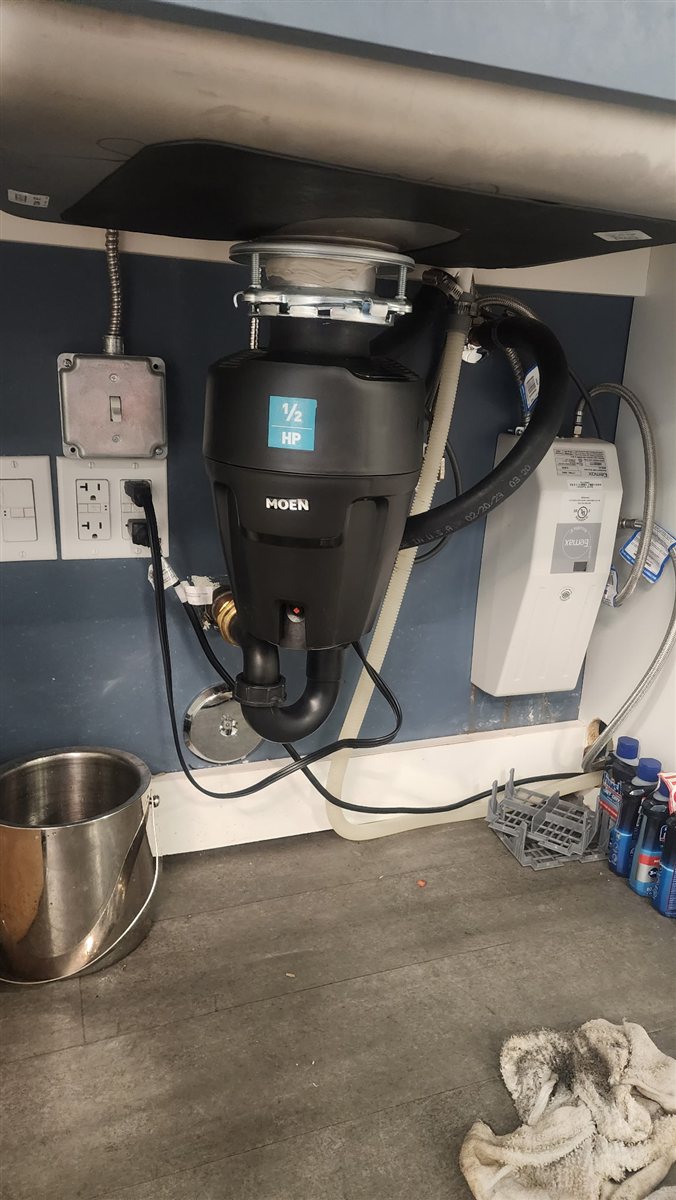
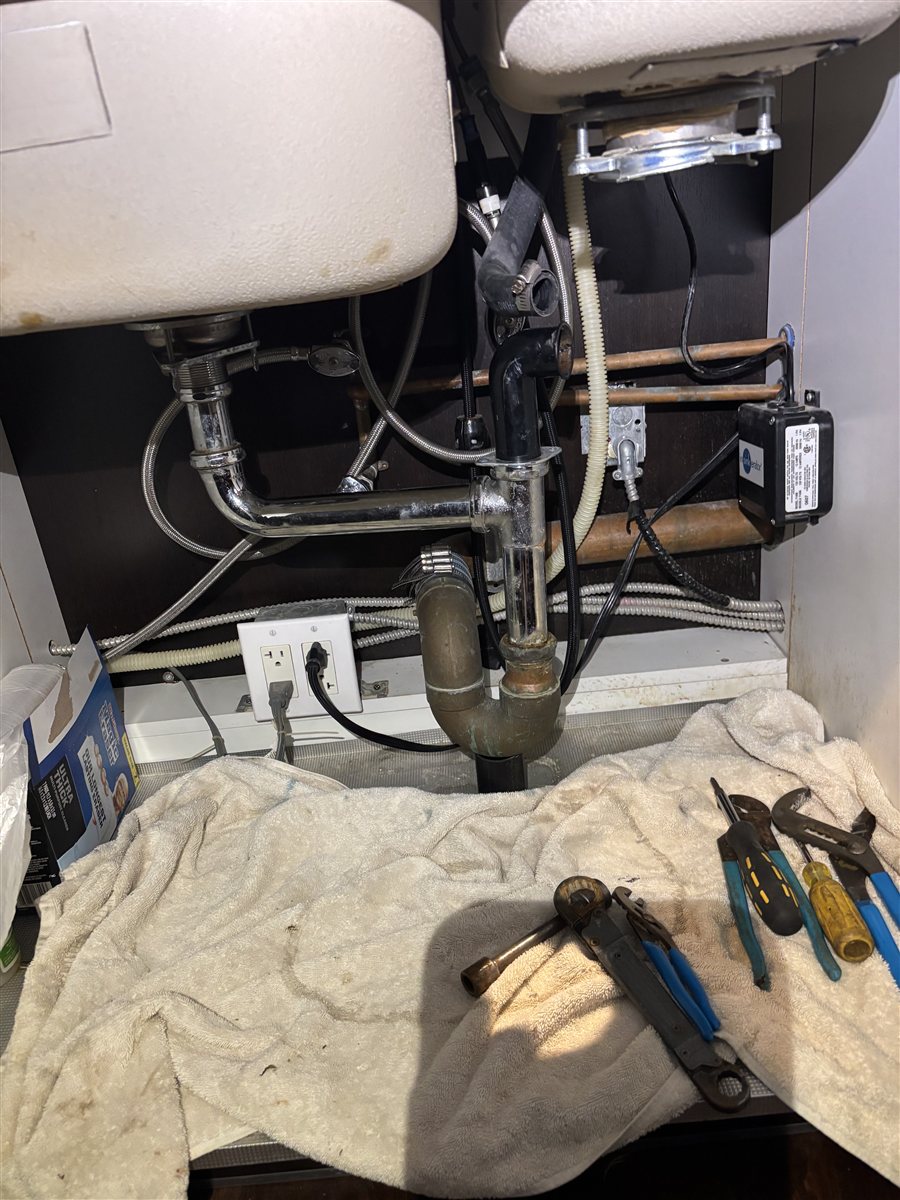
Craftsman kitchens and condo towers, disposals quit the same way.
The garbage disposal is the hardest working appliance nobody thinks about, right up until the night it stops. Then it's suddenly the only appliance anyone's thinking about, because a dead disposal takes half the kitchen's rhythm with it, and the sink it lives under usually starts backing up in sympathy. So here's the useful version of disposal knowledge, what kills them, what saves them, and when the repair beats the replacement.
What kills them is rarely age alone. It's the slow accumulation of the wrong things, fibrous stuff wrapping the impellers, grease building up until the motor strains, foreign objects that fell in unnoticed, and the classic, running it dry without water. The symptoms escalate politely. A hum with no spin usually means a jam, often fixable. A leak underneath means seals or housing, sometimes fixable, sometimes the beginning of the end. Total silence usually means electrical or motor, and the motor conversation is where replacement enters honestly, because a disposal with a dying motor is not worth reviving at any price.
The visit sorts it fast. Jams get cleared, fixable failures get fixed, and when replacement is the honest answer, the options get laid out plainly, horsepower matched to how your kitchen actually cooks, installed properly with the plumbing connections done right, because a disposal install done wrong announces itself through the cabinet floor. Straightforward problem, straightforward service, plain English throughout, and your kitchen's rhythm back by dinner. That's the whole story.
"Water travels. The unit below finds out first."