Banging pipes. That's the phone call, almost every time. Somewhere in the house, usually when a faucet closes or the washing machine finishes filling, the plumbing knocks like somebody's in the walls with a hammer. It's startling, it's annoying, and here's the part worth taking seriously, it's usually a message about pressure, and pressure is the most underrated force working on your entire plumbing system.
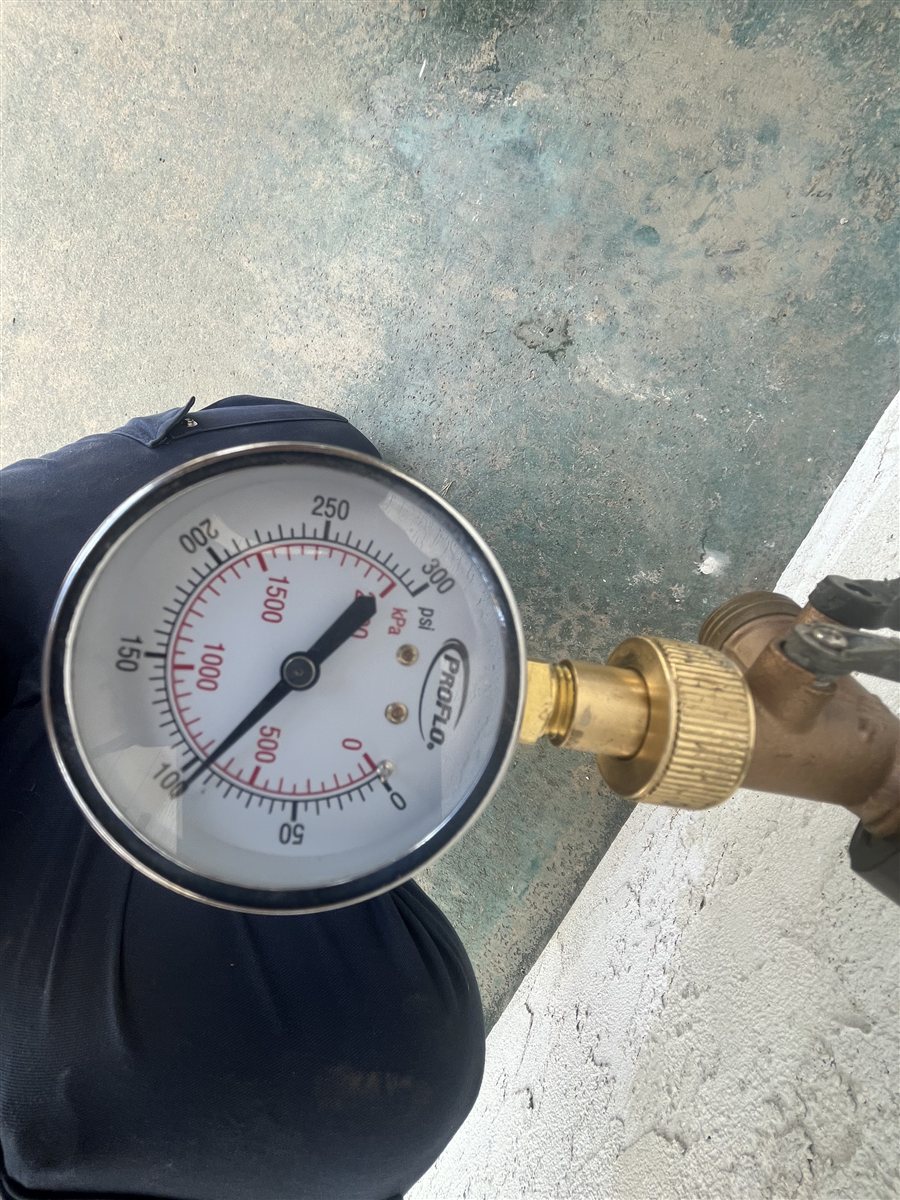
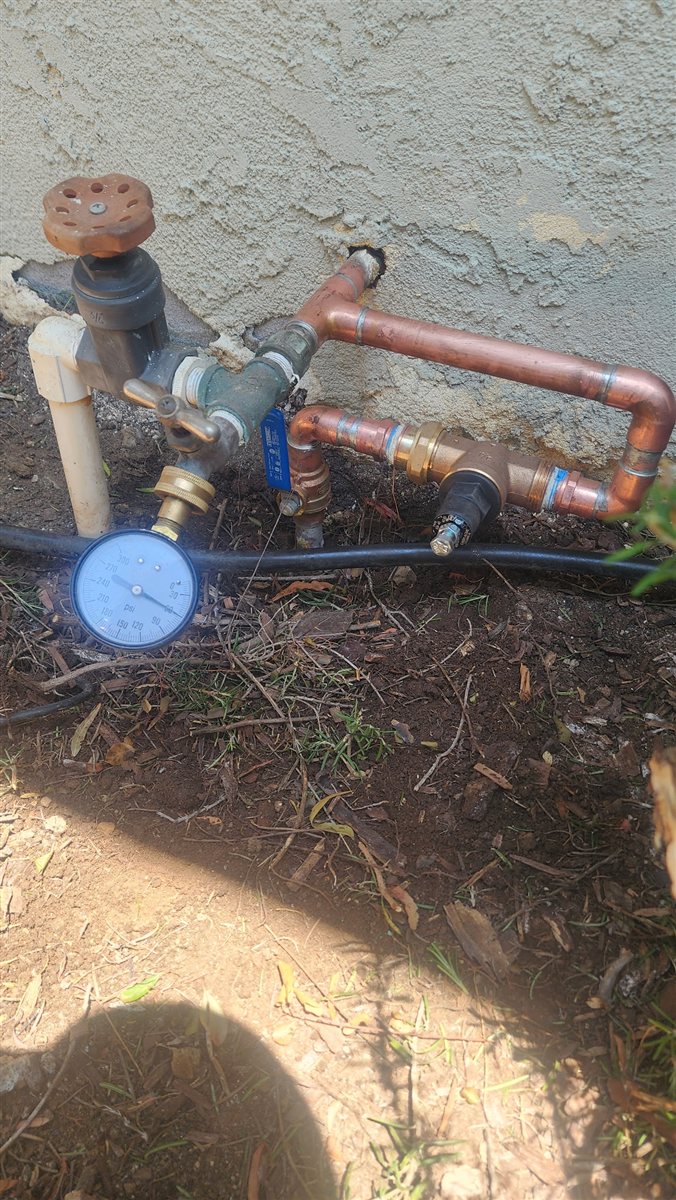
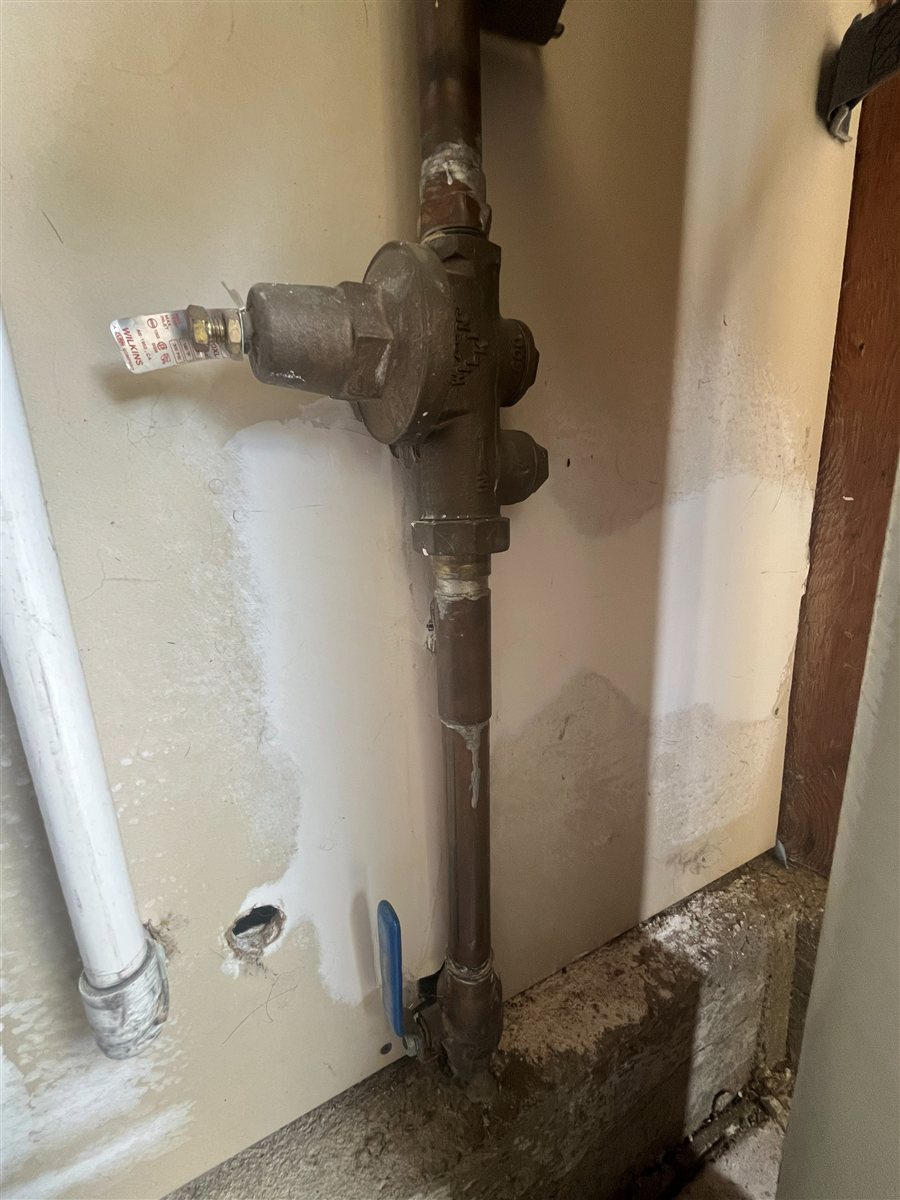
Think of water pressure like blood pressure. Too high, and everything downstream pays for it quietly, pipes stressed at every joint, faucets wearing early, supply lines strained, appliances aging ahead of schedule, and the water heater especially, because a tank absorbing excessive pressure day after day retires years before its time. Plenty of the failures this county sees, the burst lines, the blown fittings, the water heaters that quit early, trace back to pressure nobody ever measured. The pressure regulator, the PRV, is the device that stands between the street's pressure and your home's plumbing, keeping everything downstream in the healthy range. When it works. Regulators age too, and a failing one hands the street's full force to your house without a word.
Two kinds of homes should be thinking about this. Homes where the signs are showing, the banging, the blasting showers, the early appliance retirements. Homes that have never had a regulator at all, which is more common than people think, plenty of houses were built without one, and adding one is a straightforward upgrade that protects everything downstream and brings the system in line with modern code. Either way, the diagnosis belongs to a licensed contractor with a gauge, not a guess, and the visit ends with the honest read and your options in plain English. The pressure's been doing whatever it wants. Finding out what that is costs a phone call.