The city doesn't want its streets cut. Neither do you.
Somebody quoted you a sewer line replacement, and somewhere in the conversation the yard came up. The trench, the torn hardscape, the week of equipment, the restoration bill after the plumbing bill. Before any of that gets agreed to, here's what deserves ten minutes of your attention. For a lot of failing sewer lines, the pipe can be rebuilt from the inside, trenchless, no ruined yard, and most people have never heard of it until the moment they need it.
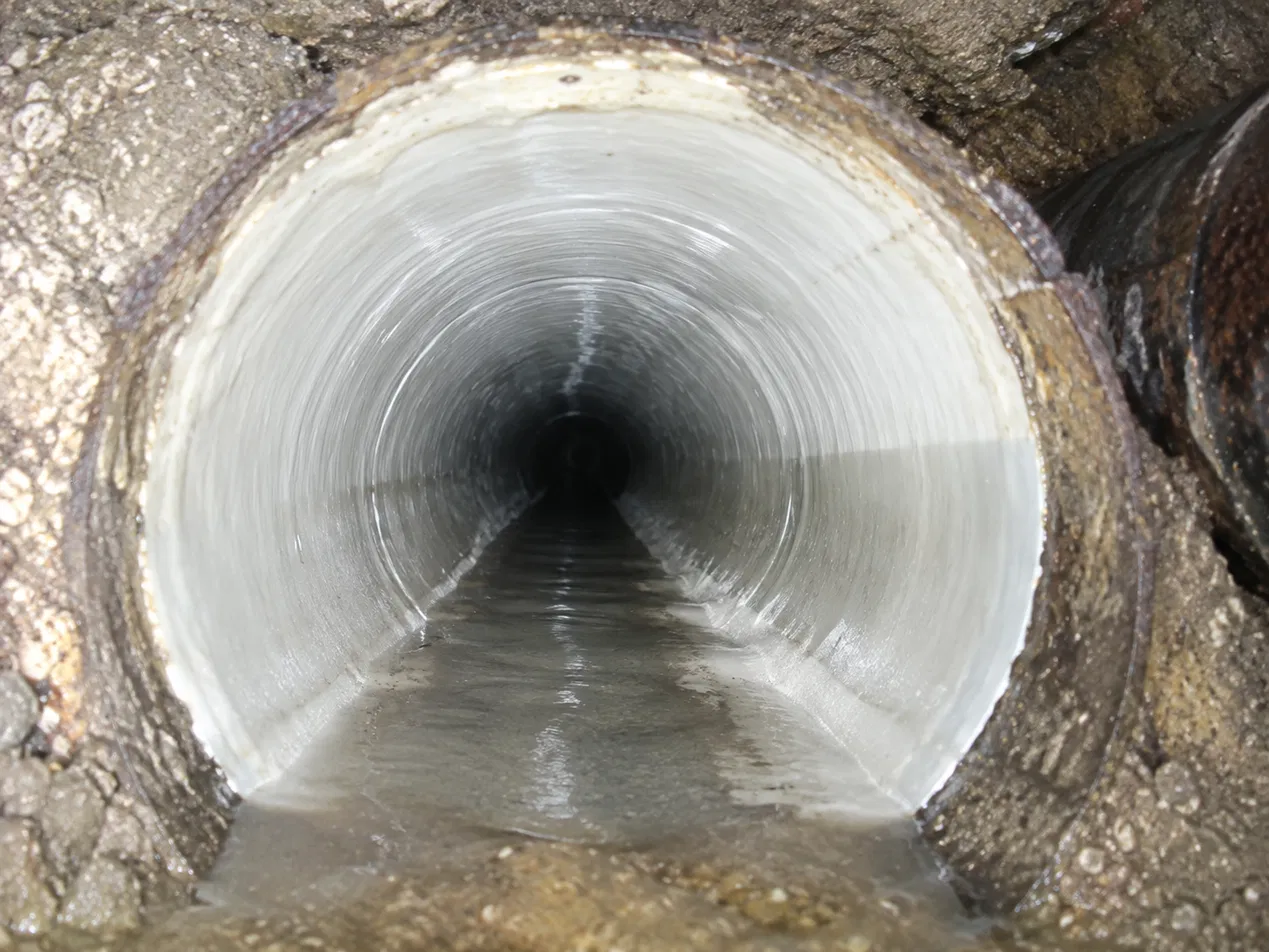
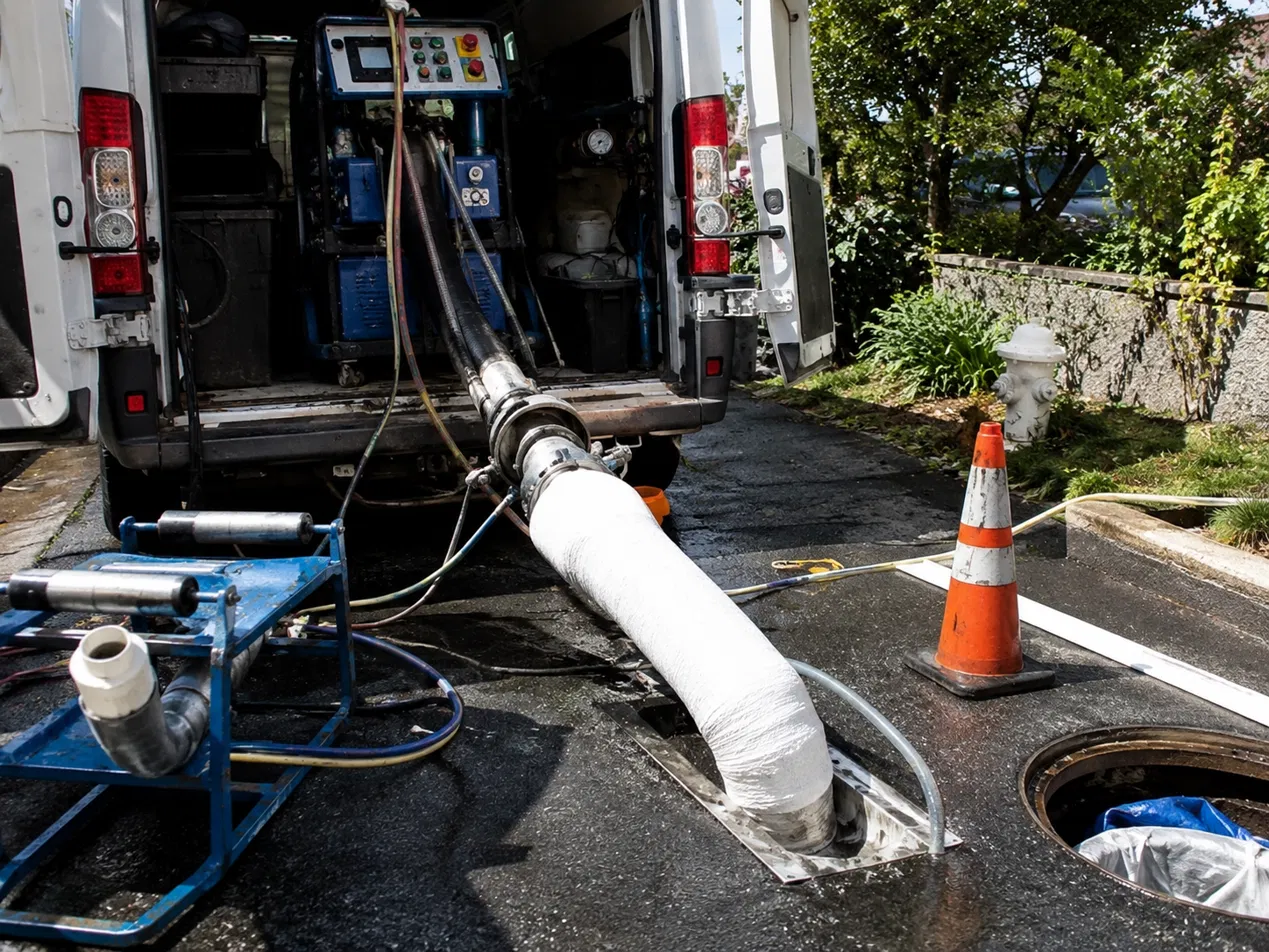
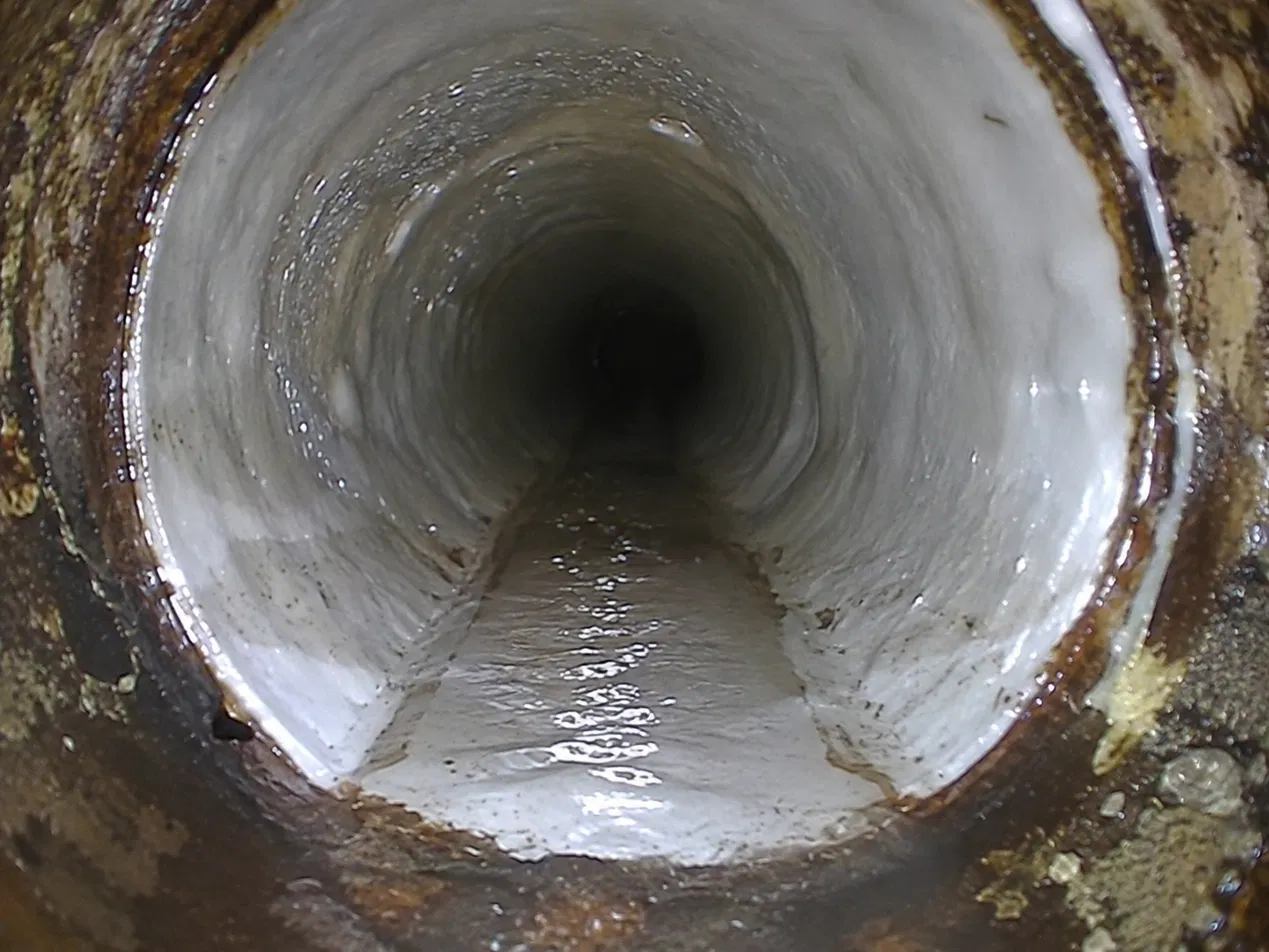
It's called pipe lining, or CIPP if you like the technical name, cured in place pipe. The short version. A resin soaked liner goes into the existing line through the cleanout, gets pressed against the old pipe's walls, and cures in place into a new, seamless, jointless pipe inside the old one. The roots lose their joints to invade. The cracks get sealed behind a structural wall. The line flows better than it has in decades, and the lawn never knew anything happened. It's real, it's proven, and a licensed contractor with the right equipment performs it here regularly.
Is it right for every line? No, and the camera decides, not the sales pitch. Lining needs a pipe that still has its shape, a collapsed section is a different conversation, and the footage tells that truth plainly. What you'll get here is the honest read. If your line is a lining candidate, you'll understand exactly why and what it involves. If it isn't, you'll hear that too, with the real options laid out. Either way, nobody should approve a trench without knowing this alternative exists. Now you do.
"Sometimes the hardest part of a dig is who owns the surface."