The words "slab leak" scare people more than almost anything in plumbing, and it's worth understanding why. The leak is under your foundation, in the water lines that run through or beneath the concrete your house stands on, and the imagination fills in the rest, jackhammers, torn floors, a house turned inside out. Take a breath, because the imagination is running ahead of the facts. Slab leaks are common in San Diego, the fixes have gotten precise, and the torn up house version is the last resort, not the first move.
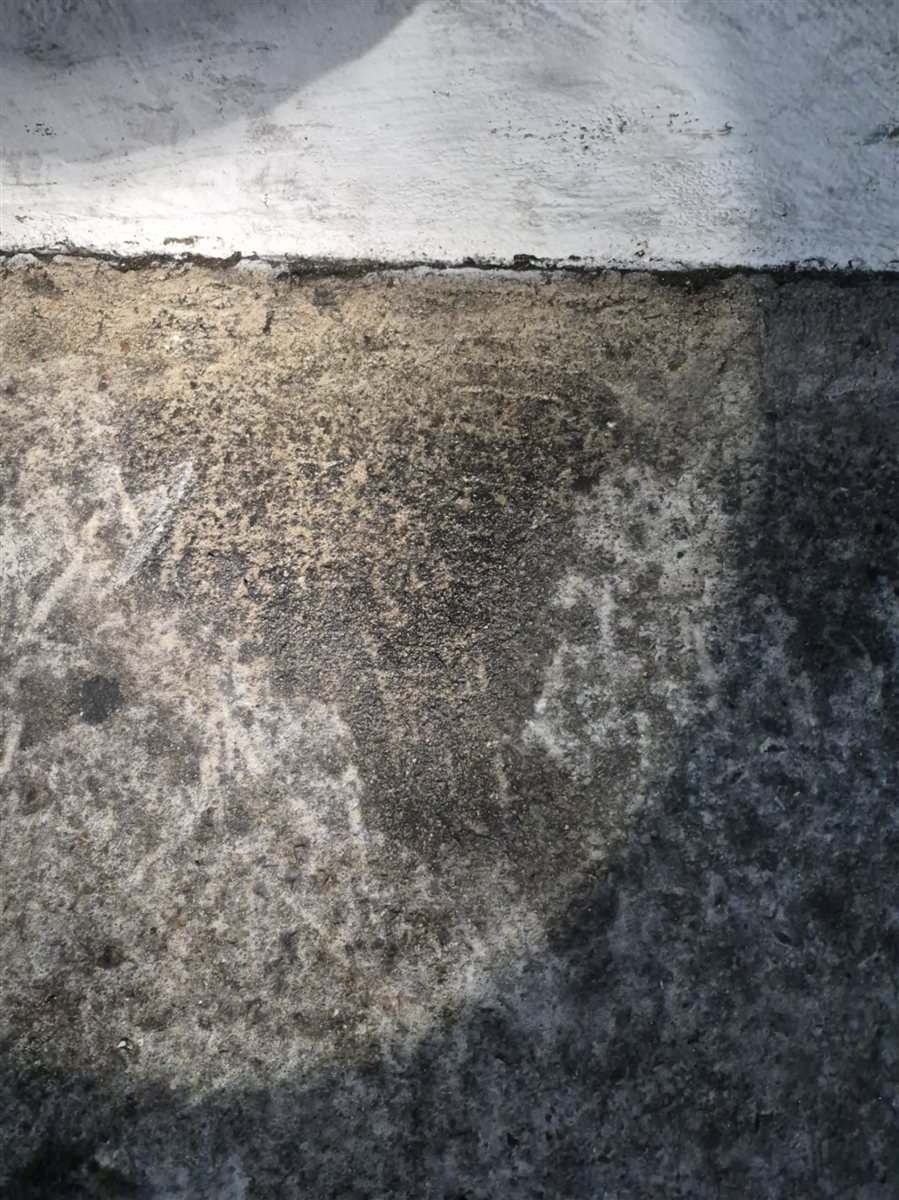
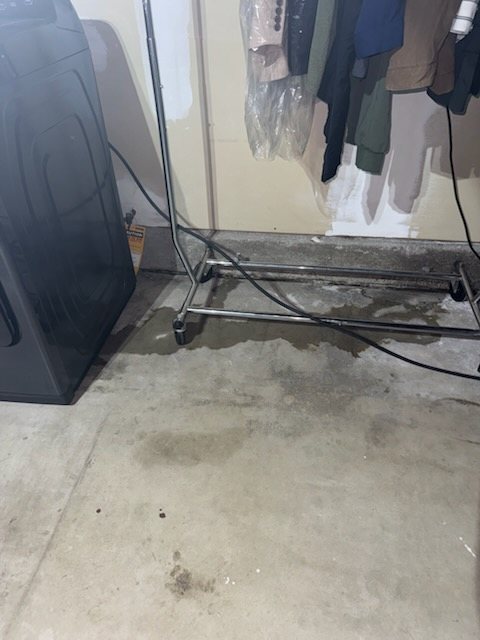
Start with how you found out, because the signs are usually indirect. A warm spot on the floor, that's a hot line leaking below. A water bill that jumped. The sound of running water with everything off. A meter that won't sit still. Cracks appearing in flooring, or moisture at the slab's edge. Any of those starts the same process, detection first, and detection is non destructive. The equipment locates the leak through the concrete, precisely, before anyone discusses opening anything. Find first. Always.
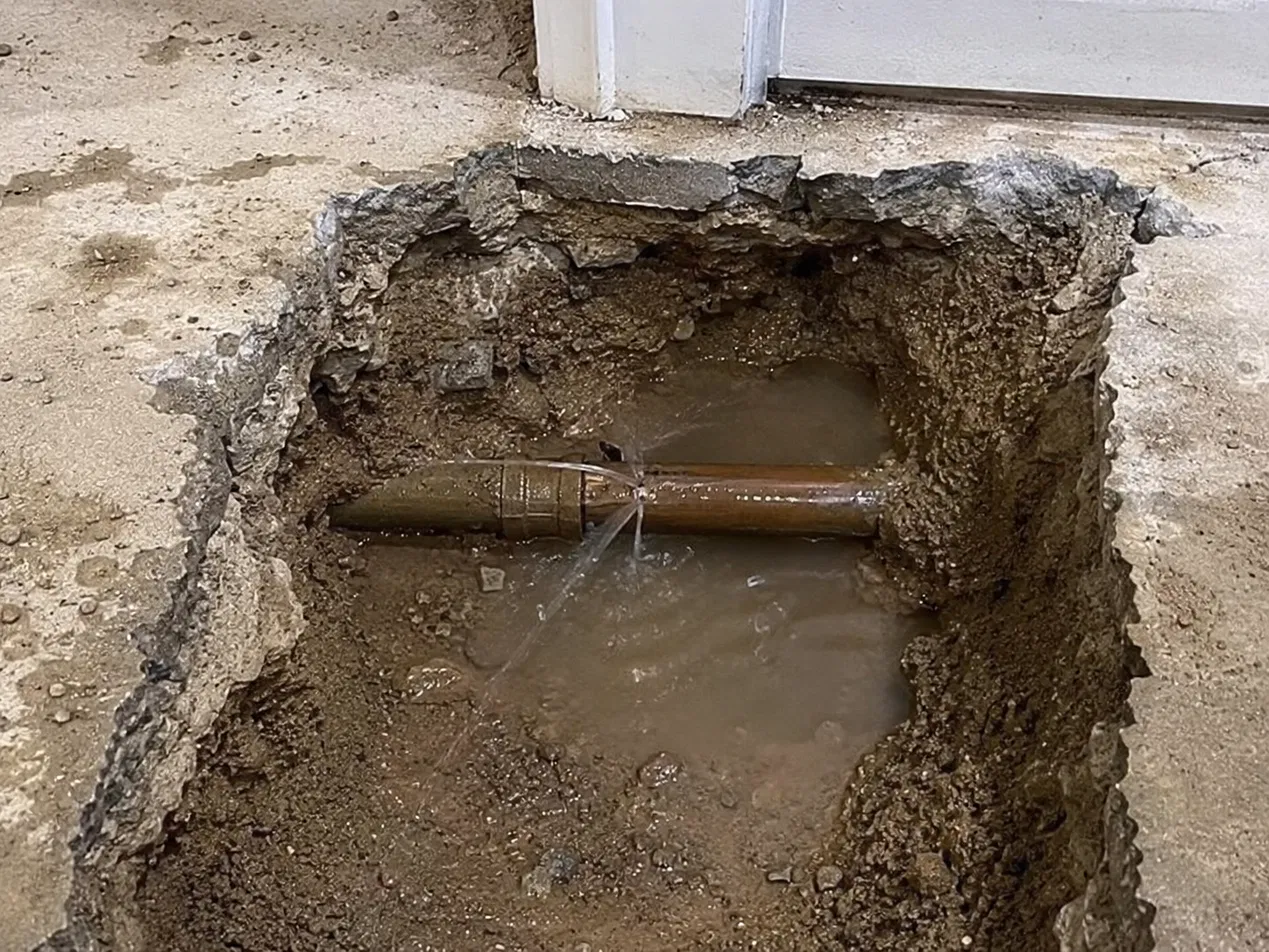
Then the options, and there are usually several. Sometimes the smart fix is opening the slab at the exact marked spot, one precise access instead of an excavation. Often it's better to abandon the leaking line entirely and reroute new pipe overhead, through walls and attic, never touching the slab at all. In a house with a history of slab leaks, the conversation honestly includes a repipe. Every path gets explained in plain English with its real tradeoffs, and you decide, with a licensed contractor performing the work. Scary words, manageable problem, precise fixes. That's the truth about slab leaks.