
How to Prevent Plumbing Emergencies in San Diego Homes
Plumbing problems often appear without warning. One moment everything feels normal and the next moment water is spreading across floors or drains stop working. What many homeowners do not realize is that most plumbing emergencies develop slowly over time.
Across San Diego including coastal and inland neighborhoods plumbing systems face pressure from aging pipes mineral buildup and everyday wear. This guide explains ten practical ways homeowners can lower the risk of sudden plumbing failures and keep their systems reliable throughout the year.
Why Preventive Plumbing Care Matters in San Diego
San Diego weather feels mild yet plumbing systems still age beneath walls and floors. Older homes face pipe corrosion loose fittings and shifting underground lines.
Preventive plumbing care helps homeowners avoid water damage control repair costs protect indoor air quality and extend the lifespan of pipes fixtures and appliances.
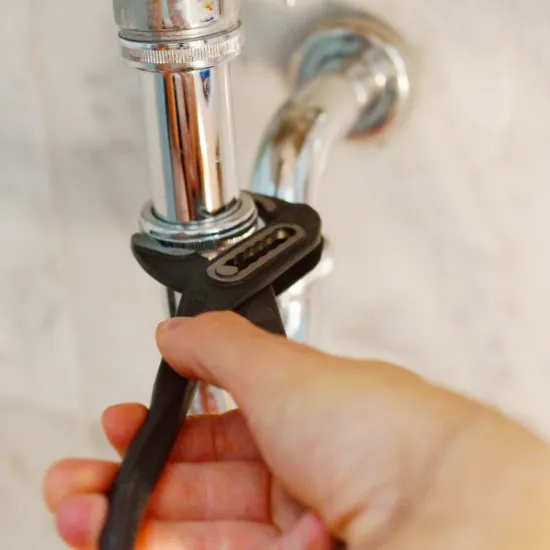
How to Prevent Plumbing Emergencies
1. Watch What Enters Your Drains
Drain problems often begin with small buildup that grows over time. Grease food residue hair and wipes slowly restrict water flow until a full blockage occurs.
Using drain strainers and proper disposal habits protects kitchen sinks bathroom drains and sewer lines.
2. Address Leaks Early
A small drip or slow toilet leak may seem harmless yet it often signals pressure or seal problems. Hidden leaks damage flooring walls and structural materials.
Professional leak detection identifies water loss quickly without opening walls or floors.
3. Protect Exposed Pipes
Even in San Diego pipes located in garages crawl spaces or exterior walls experience temperature stress. Insulation helps stabilize water flow and reduces cracking risk during cooler nights.
4. Maintain Your Water Heater
Minerals settle at the bottom of water heaters over time. This buildup lowers efficiency and strains internal components.
Annual flushing improves performance reduces energy waste and extends the unit’s working life.
5. Know Your Water Shutoff Location
During an emergency shutting off water quickly limits damage. Many homes have shutoff valves near the water meter or curb.
Testing the valve once each year ensures it works when needed.
6. Monitor Water Pressure
High water pressure stresses pipes appliances and valves. Excess pressure increases the chance of leaks and sudden pipe failure.
A pressure regulator keeps water flow balanced and protects the plumbing system.
7. Schedule Routine Plumbing Inspections
Inspections uncover issues before they turn serious. Plumbers check pipe joints water heaters drain lines and sewer connections for early warning signs.
Routine inspections reduce surprise repairs and improve long term reliability.
8. Test Sump Pumps Before Rainy Weather
Homes in lower areas may rely on sump pumps for water control. Testing the pump confirms it activates properly and prevents flooding during heavy rain.
9. Avoid Chemical Drain Cleaners
Chemical cleaners weaken pipes and rarely solve deeper blockages. Repeated use shortens pipe lifespan.
Professional drain cleaning clears buildup safely using mechanical tools and water pressure methods.
10. Replace Outdated Plumbing Materials
Older plumbing materials deteriorate with time and increase leak risk. Modern piping options improve durability water quality and system efficiency.
Replacing aging pipes prevents recurring issues and future emergencies.
What To Do When Plumbing Problems Still Occur
Even with maintenance emergencies may still happen. Fast response limits damage and restores safety.
Emergency plumbing services address burst pipes sewer backups water heater failures and severe drain issues.
How Pipe Patrol Plumbing Can Help you?
Pipe Patrol Plumbers supports homeowners throughout San Diego including Downtown North Park Hillcrest Chula Vista El Cajon La Mesa Oceanside Carlsbad Mira Mesa and surrounding communities.
Licensed insured professionals are available day and night.
Long Term Plumbing Maintenance Planning
Ongoing maintenance reduces emergency risks and helps manage repair costs. Regular care keeps plumbing systems dependable year round.
Frequently Asked Questions
How often should plumbing inspections be scheduled?
Plumbing inspections should be done once every year. Annual checks help identify small problems before they turn into emergencies.
What causes pipes to fail suddenly?
High water pressure and pipe corrosion are common causes. Small leaks that go unnoticed can also lead to sudden pipe failure.
Are drain cleaners safe for pipes?
Most chemical drain cleaners damage pipes over time. Repeated use weakens drain lines and reduces their lifespan.
Which pipe materials last the longest?
Copper and modern flexible piping last longer than older materials. They resist corrosion and handle water pressure more effectively.
Does preventive care really reduce plumbing emergencies?
Yes preventive maintenance reduces emergency plumbing issues. Most major problems start as minor issues that can be fixed early.