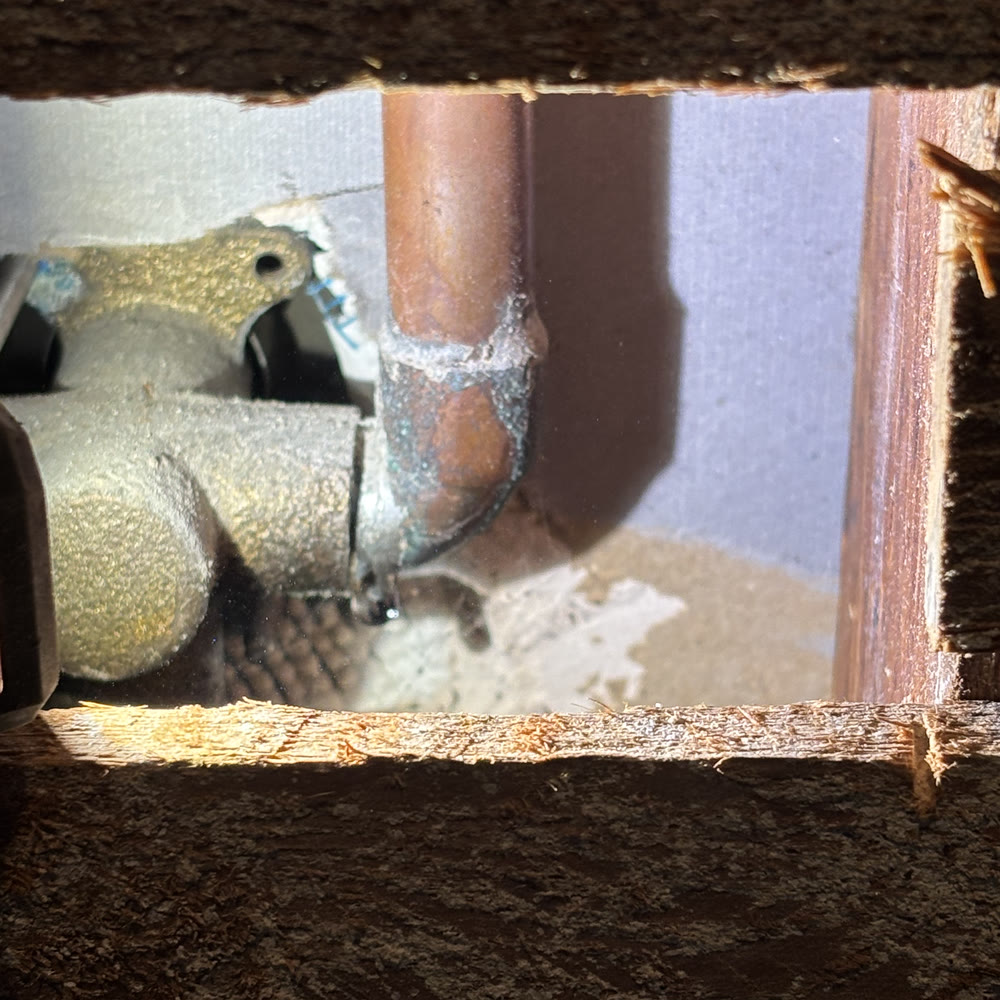
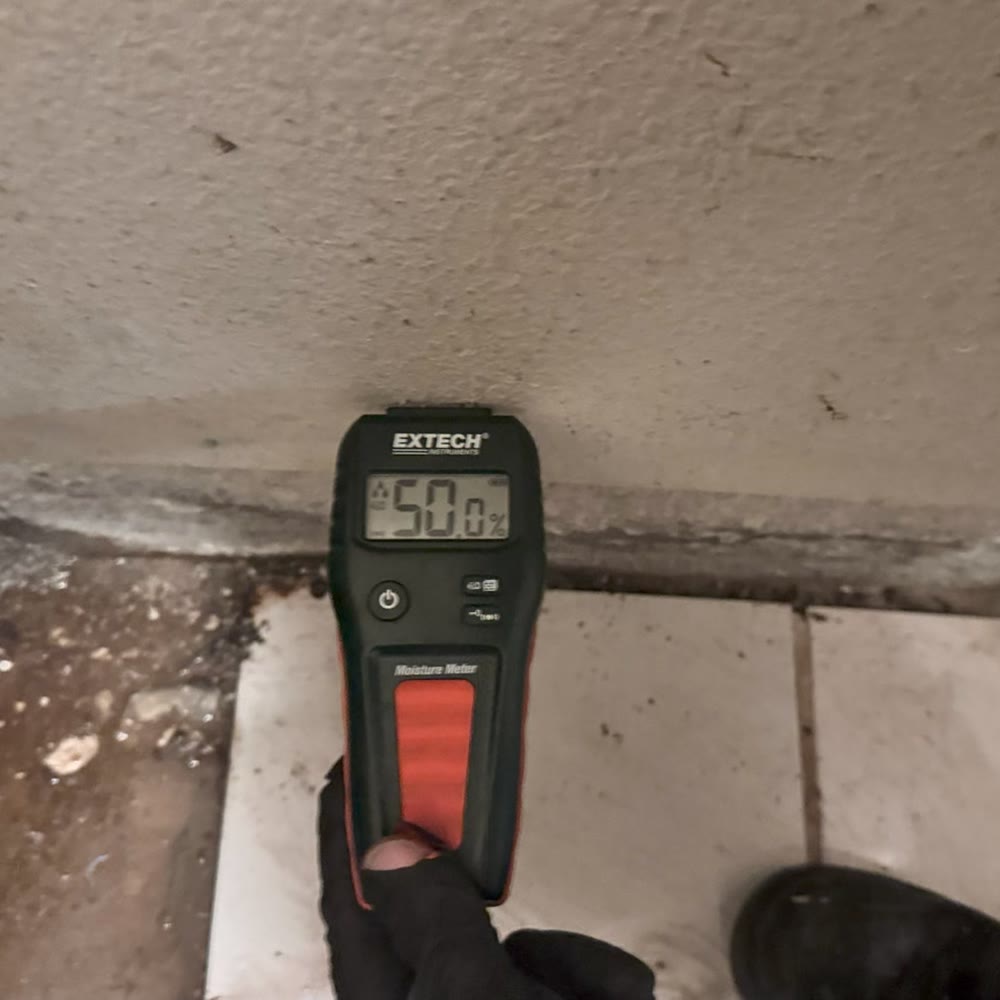
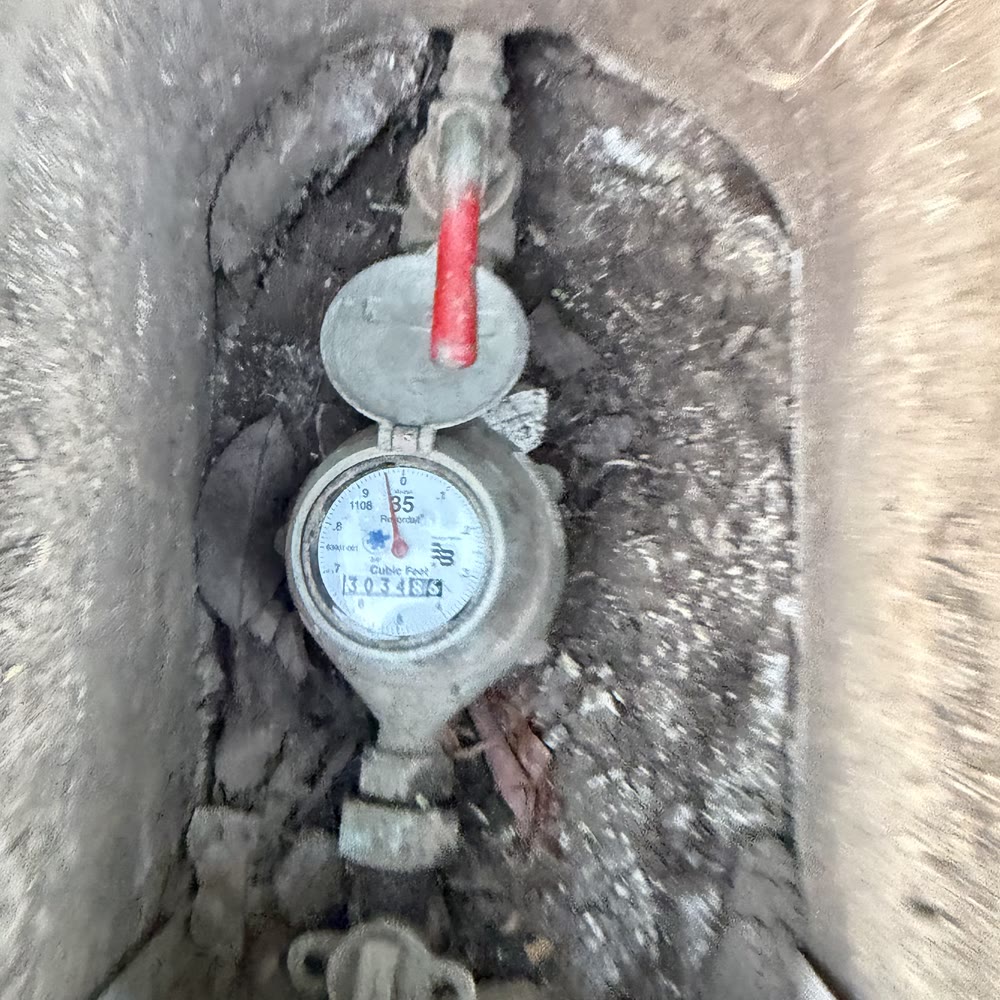
The water bill is often the first clue, and sometimes the only one. A hidden leak in a La Mesa house shows up in roundabout ways, and an older hillside home with original pipe can spring one. The signs are things like a bill that's climbed 2 months running, a warm patch on the floor, water pressure that's slowly dropped, or a meter that spins with every faucet off. None of it looks like an emergency, so it's easy to let a hidden leak run for a while.
The mistake people make next is understandable. They wait, hoping it resolves, or they let somebody start opening walls on educated guesses. There's a better way. Modern detection equipment listens through the slab, reads temperatures through walls and follows lines under floors, and it can often get the search down to a small part of the house, though the leak and the home's construction set the limits. How to track it down is the licensed contractor's decision, and the opening can be targeted instead of exploratory.
Every so often the search finds nothing at all, and that news usually comes as a relief. A slab or wall leak is ruled out, and the high bill can be checked somewhere simpler. Either way, you'll know what's going on, and the decision about what happens next stays entirely yours.