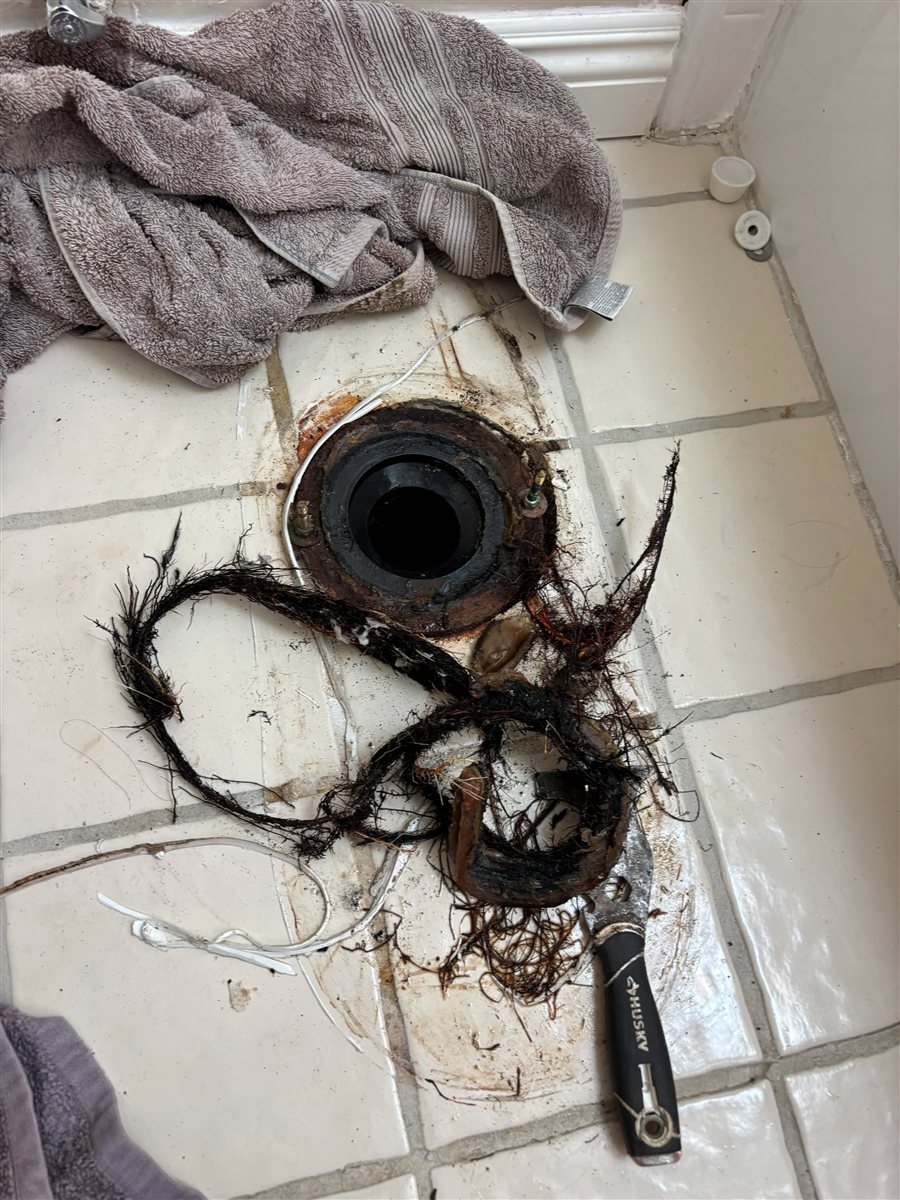
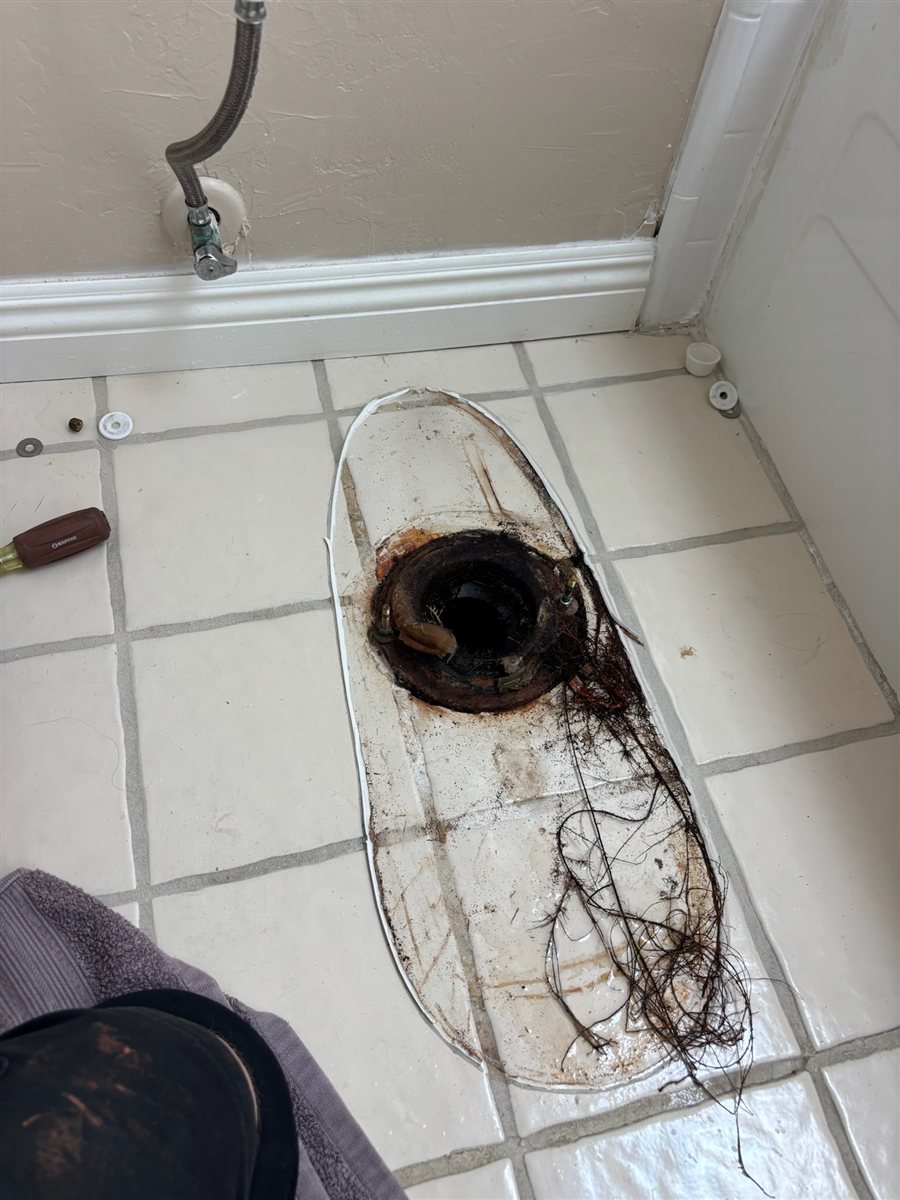
Cutting the roots is half of it. Finding the way in is the rest.
The tree that shades your La Mesa street has a root system wider than its canopy, and every foot of it is hunting moisture. A clay sewer line from the trolley era has joints every few feet, and a century of settling has opened seams in plenty of them. Root meets seam, and the quietest invasion in plumbing begins. A thread today, a net next year, and eventually the net catches enough to stop the line, usually on a morning when you have somewhere to be.
If this has already happened to you, and then happened again, you've discovered the industry's worst kept secret. Clearing roots without sealing their entrance is a treadmill. The roots return through the same opening, on roughly the same schedule, and the visits become a rhythm. Getting off the treadmill means answering one question the clearing never answers. Where are they getting in? The camera answers it precisely, showing the joint or the crack, and showing whether it's one entry point or several. That knowledge turns the recurring problem into a solvable one.
The fix, once the entry is known, gets matched to what's actually there, sealing a joint, addressing a section, whatever the footage justifies and nothing more. All of it explained plainly, decided by you, performed by or under a licensed contractor when you're ready. La Mesa's trees have earned their place on these streets. Your sewer line just needs the door closed.
"They cut the roots, then showed me the cracked joint feeding them. That's why it finally stopped."