Sixty year old clay, tree lined streets, and a fix that spares both.
The quote said replacement, and your mind went straight to the yard. The lawn you've kept alive through every drought restriction, the walkway, the sprinkler system, all of it in a trench's path. In La Mesa's established neighborhoods, where the landscaping is often as old as the house, that picture stops a lot of necessary repairs cold. So here's the alternative that changes the picture. The failing line can often be rebuilt from the inside, trenchless, through the cleanout, with the yard untouched.
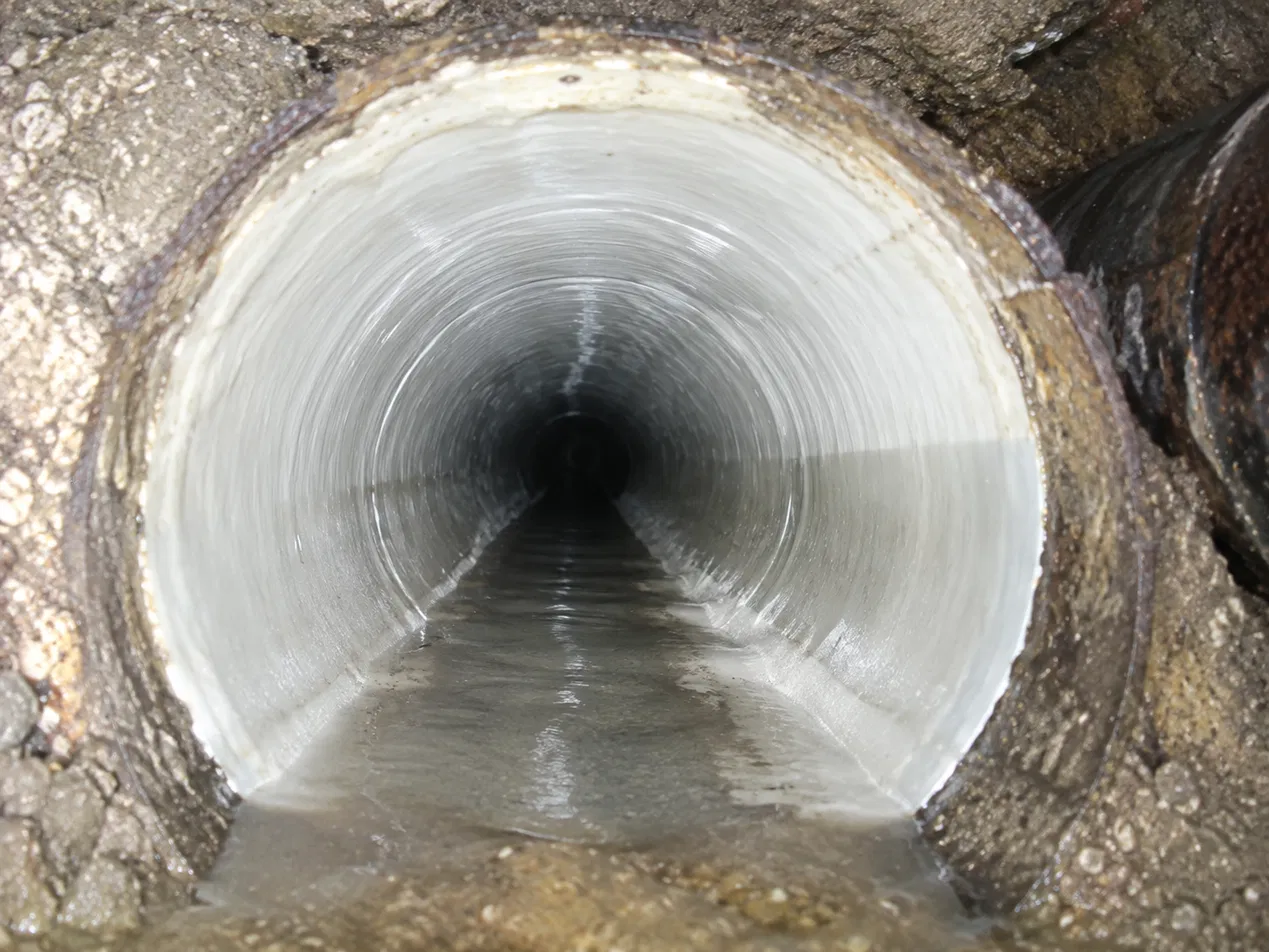
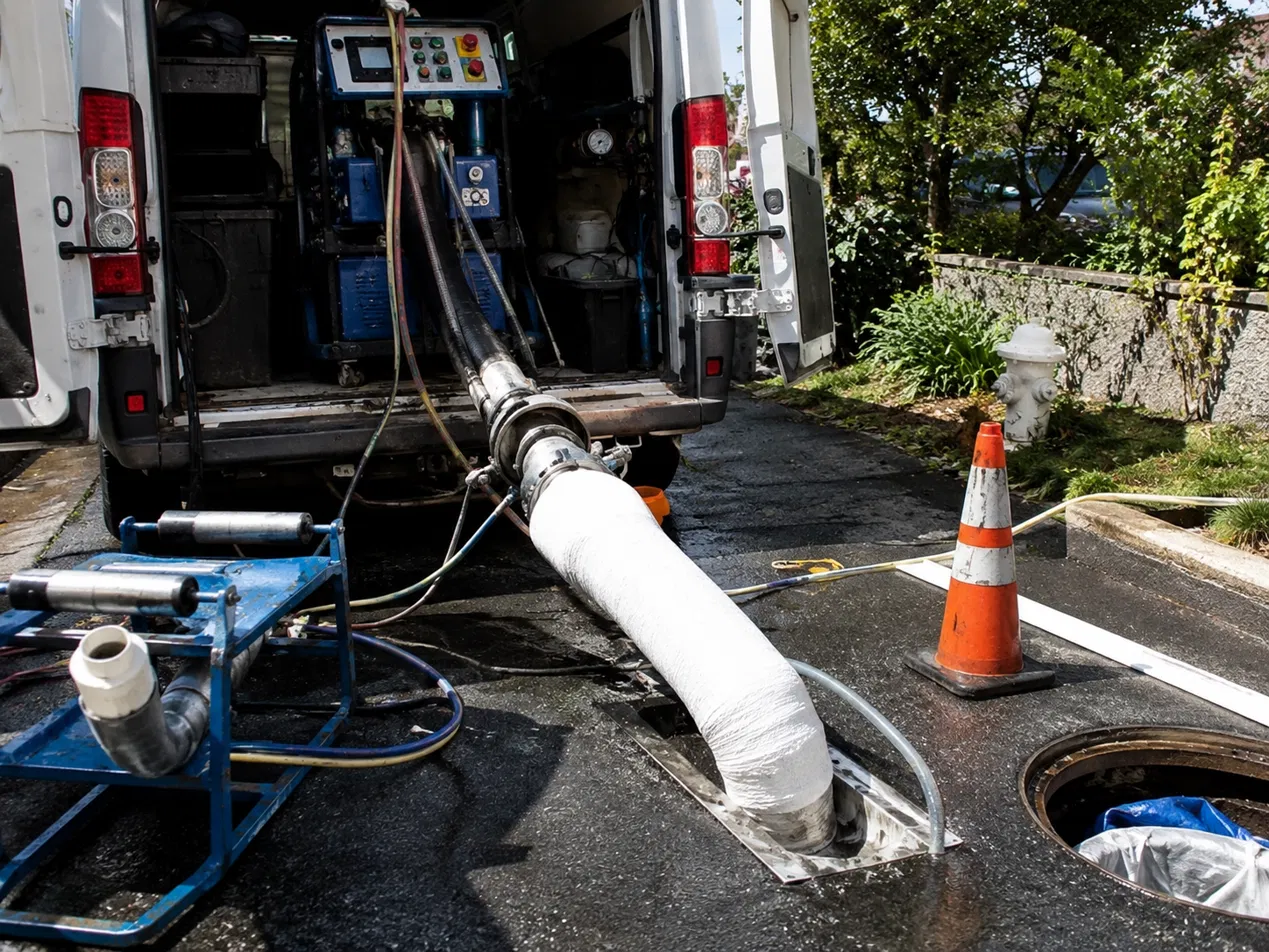
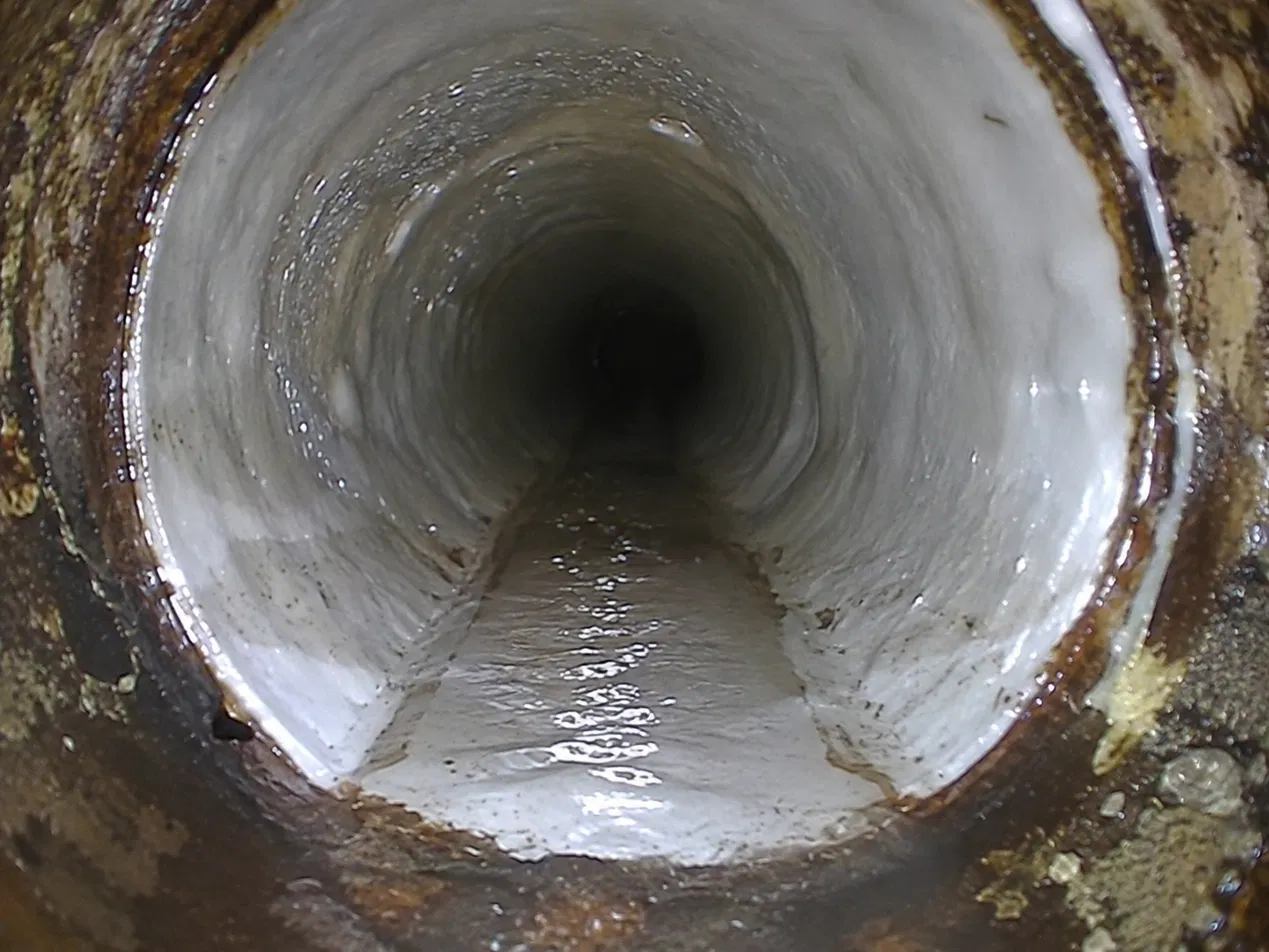
Pipe lining works like this. A liner saturated in resin travels through the existing pipe, gets pressed firm against the old walls, and hardens in place into a new pipe inside the old one, seamless, jointless, and structural. For the clay lines under this city's older streets, that jointless part is the headline, because the joints are where a century of roots got in, and the new pipe simply has none. What the roots spent decades exploiting stops existing. The line runs clean, the trees stay, the yard stays, everything above ground stays.
The honest boundaries. Lining rebuilds a pipe that's damaged but still holding its shape. A fully collapsed section needs different work, and the camera footage sorts every line into its true category before anything gets proposed. That's the process here, evidence first, plain English second, your decision third, with a licensed contractor performing the work when you're ready. If somebody's only offered you a trench, you now know the question to ask.
"Snaking never takes back ground. Lining ends the fight."