Sixty year old houses, sixty year old regulators.
The call usually starts the same way. There's a banging in the walls, when the washer finishes, when a faucet snaps shut, and it's gotten loud enough that the household stopped ignoring it. Here's what that sound usually means, and why it deserves more respect than it gets. Pipes knock when pressure has them wound tight, and in La Mesa's older homes, where the plumbing has been absorbing whatever the street delivers for decades, wound tight is a way of life.
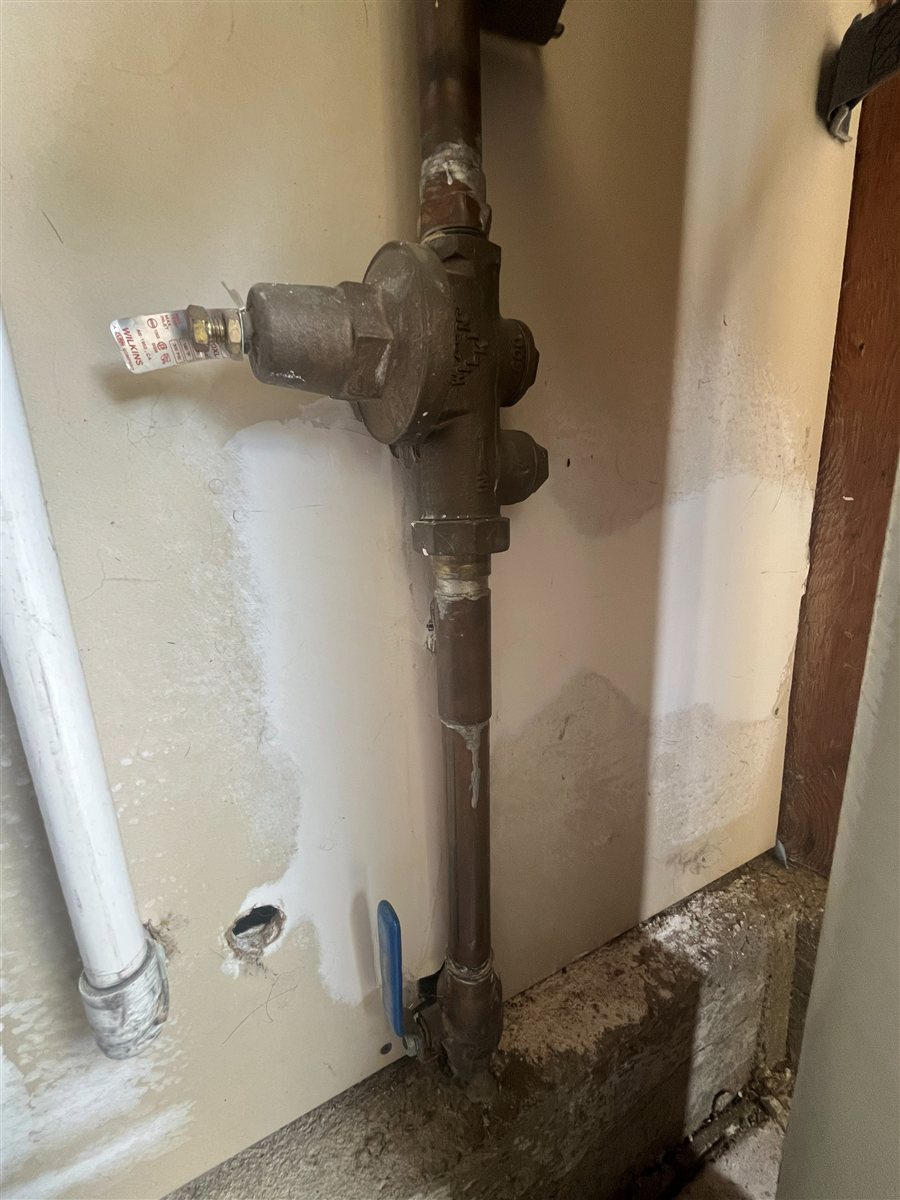
Pressure is the invisible variable in every plumbing system. In the healthy range, everything downstream lives its full life. Above it, everything wears early, the joints, the faucets, the supply lines, the appliances, and most expensively the water heater, which ages in fast forward under pressure it was never meant to hold. Here's the connection almost nobody makes, when a water heater fails young, the pressure that killed it is often still there, waiting for the new one. The regulator, the PRV, is the guardian device, and it either exists and works, exists and has quietly failed, or, in plenty of older La Mesa homes, never existed at all. All three situations look identical from the kitchen.
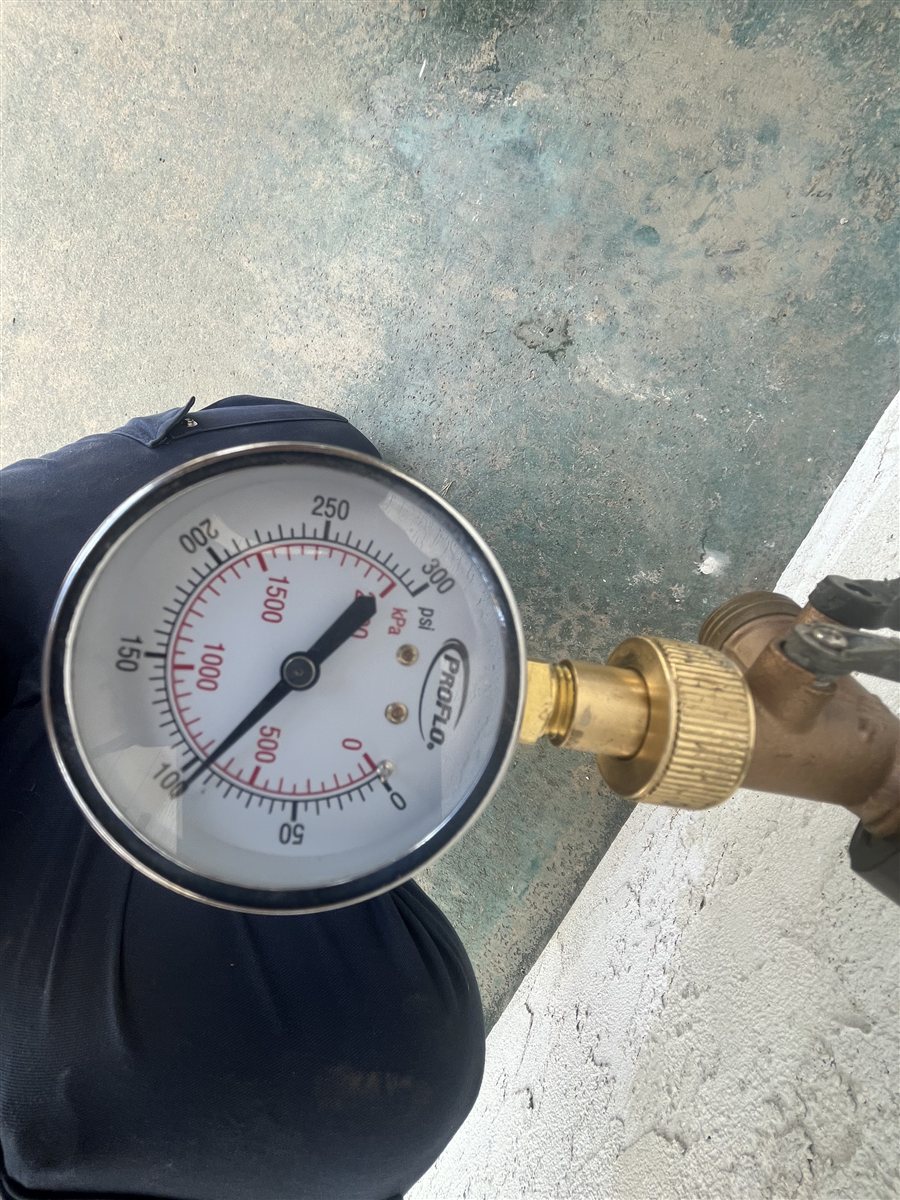
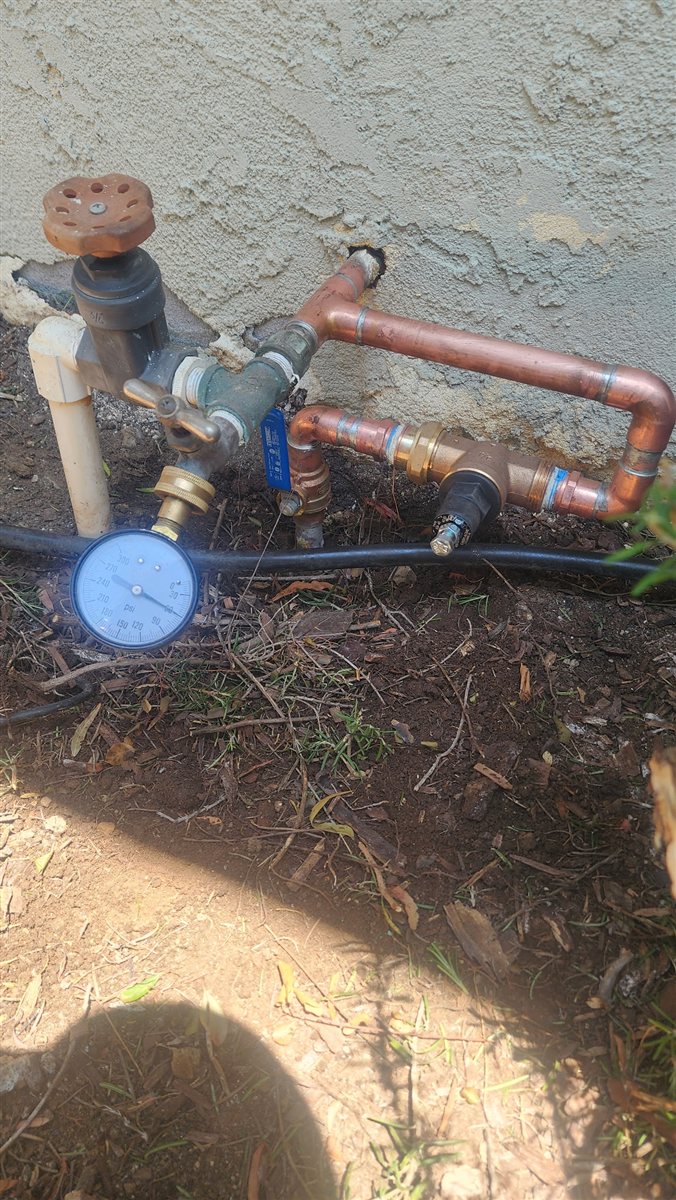
Telling them apart takes a licensed contractor and a gauge, not guesswork, and that's the visit. The pressure gets measured, the regulator's condition gets read, and the honest situation gets explained in plain English, working fine, failing quietly, or missing entirely, with the options for each laid out plainly. Homes that have never had one get the straight talk about what adding one protects and how it brings the system up to modern code. Your house has been living with whatever pressure the street sends. One visit tells you what that's actually been.
"A regulator is a ten to fifteen year part. Most here are older than that."