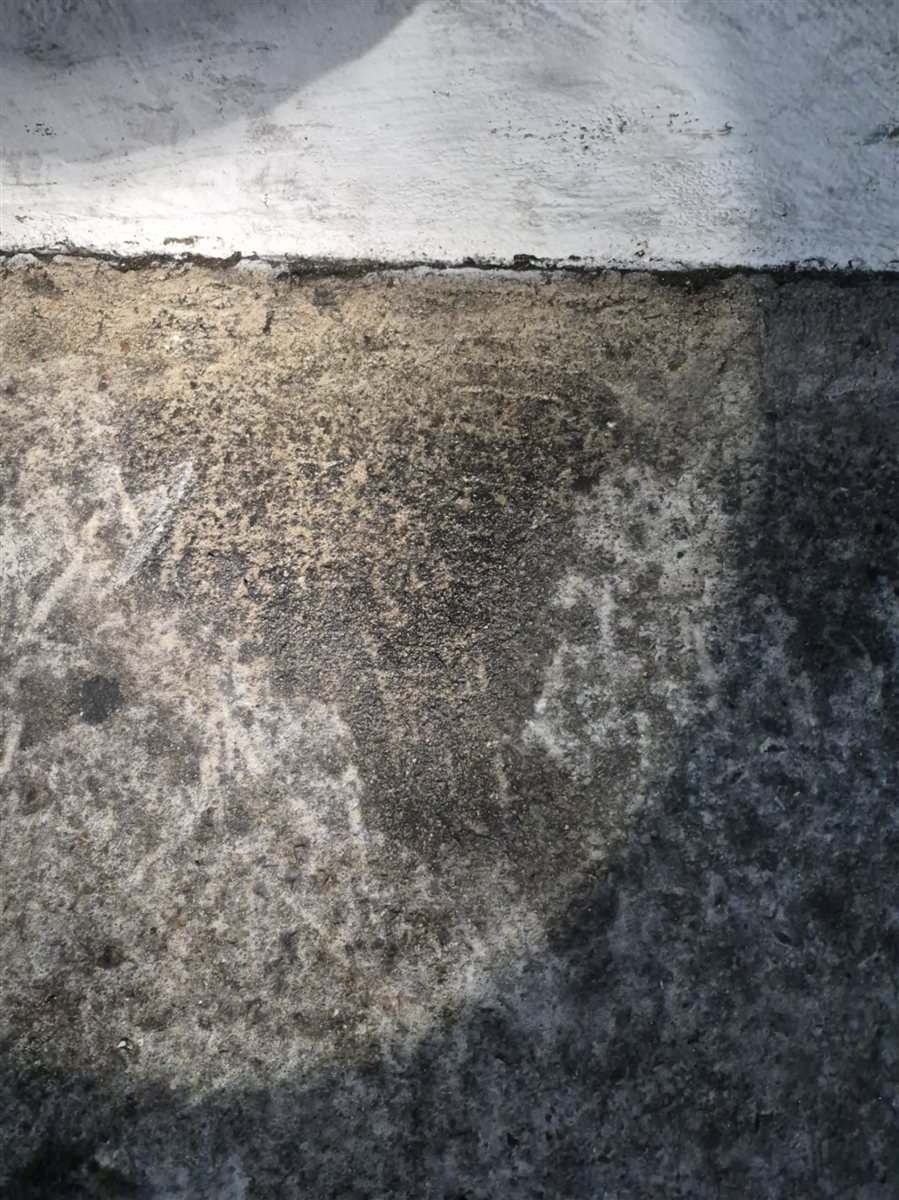
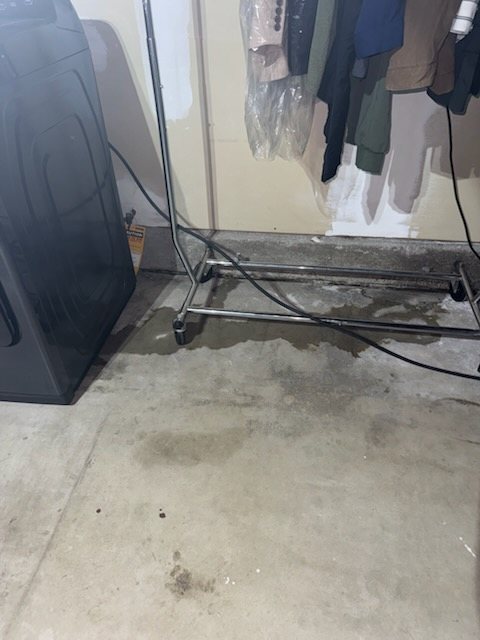
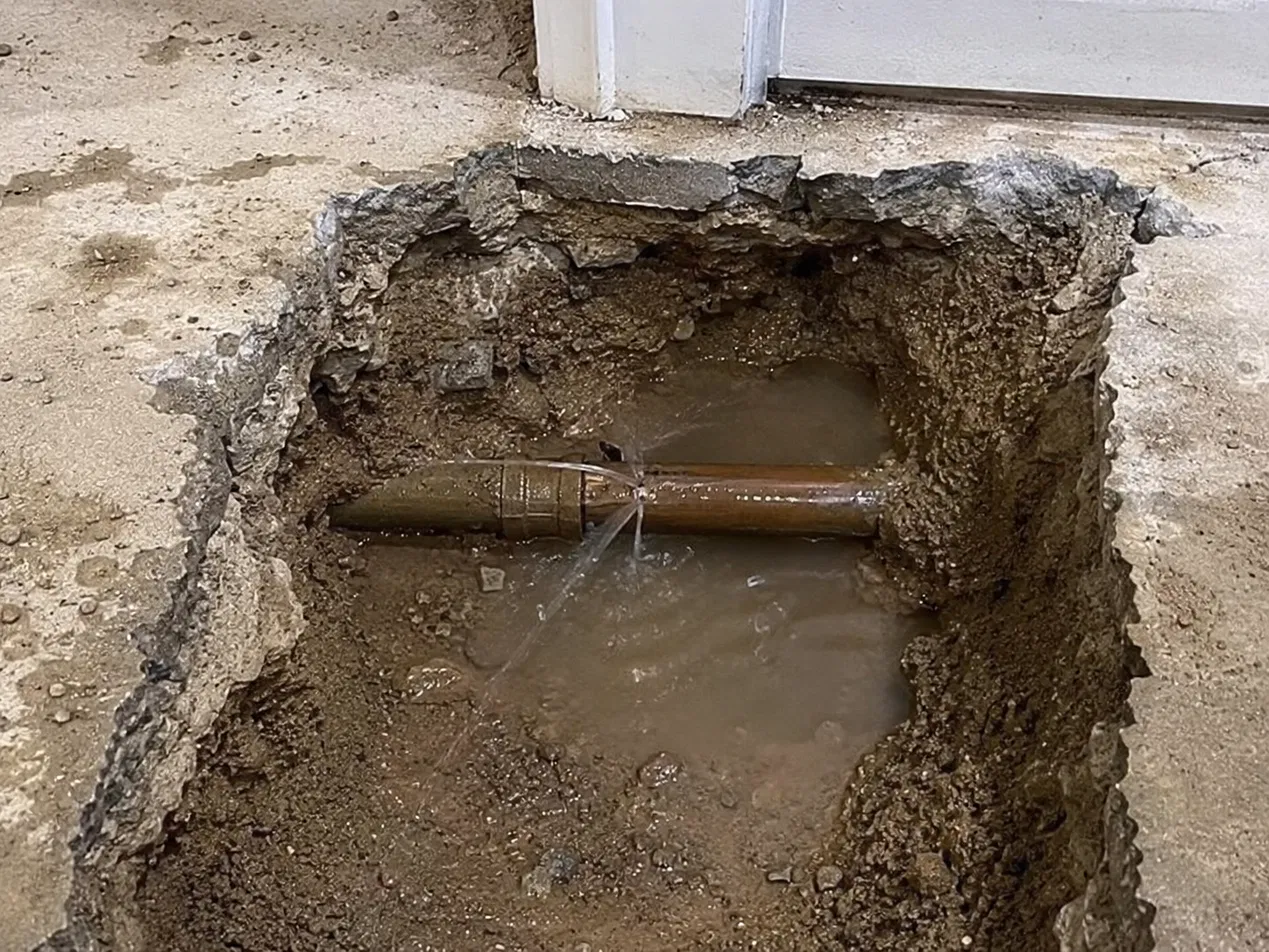
The foothills settle a little. Old copper doesn't stretch.
The slab under a La Mesa house has been holding its water lines for a long time, sixty, seventy years in the older neighborhoods, and those lines were installed in an era that trusted copper under concrete more than time has justified. When one finally develops a leak, the house tells you sideways. A warm patch on the kitchen floor. A bill that climbed two months straight. The faint sound of water moving in a silent house with every fixture off. The slab is talking. Here's how to answer.
Not with demolition, that's the point most people don't know. Detection comes first, and modern detection reads through concrete, listening, tracing, mapping temperature, until the leak's location is marked within inches. No exploratory anything. Once the spot is known, the options open up, and opening the slab is only one of them. Frequently the better play is abandoning the leaking run entirely and rerouting new line overhead, through the walls and ceiling, leaving the slab sealed and the floors untouched. The leak dies of abandonment. The house never gets opened below the waterline.
Which path fits depends on the house, the line, and the history, a first leak reads differently than a third one, and by the third, the honest conversation is usually about the era of pipe, not the single failure. You'll get that conversation straight, in plain English, every option with its tradeoffs, and the decision stays entirely yours, with a licensed contractor performing the work when you're ready. The slab kept its secret for decades. Once it's out, the fix is more manageable than the fear.
"The slab settles a quarter inch. The pipe feels all of it."