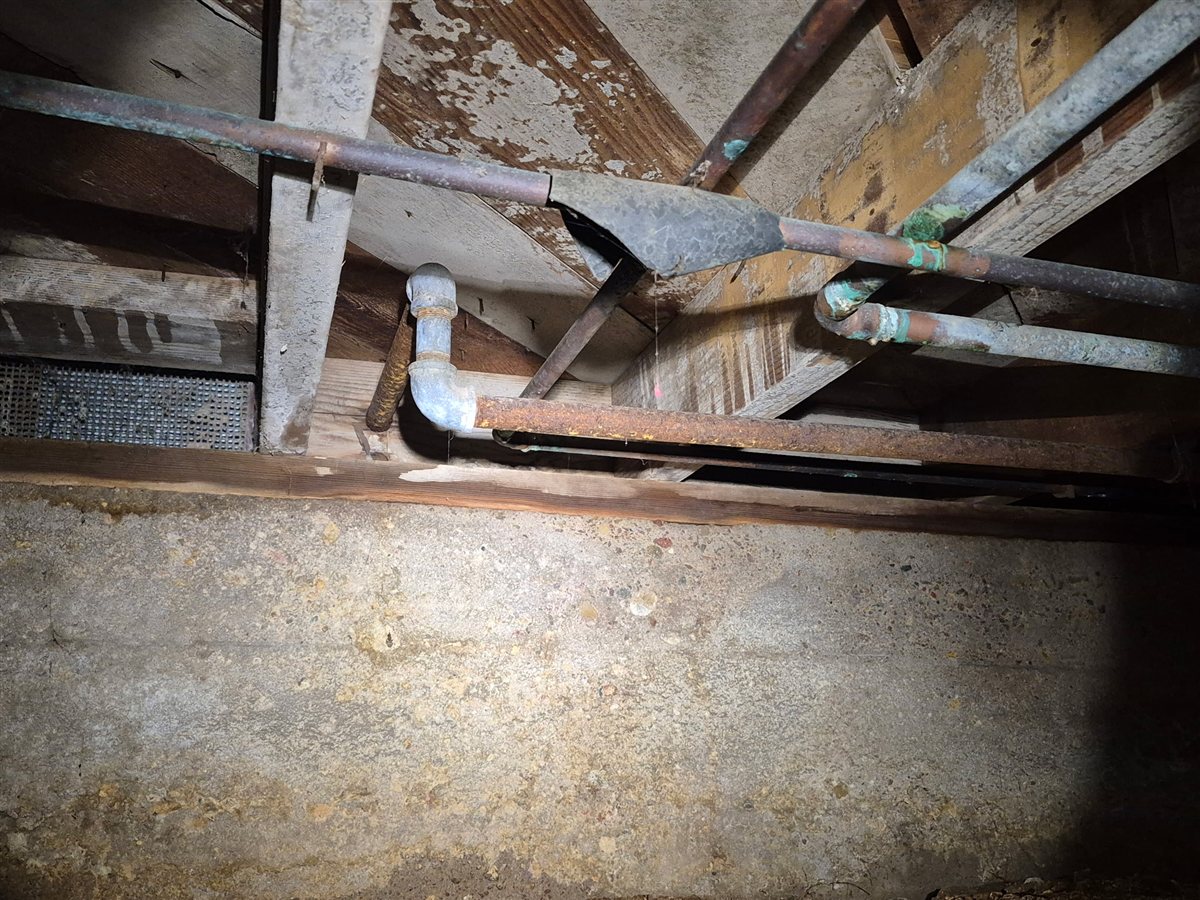
Hard water has been sanding these pipes from the inside for sixty years.
The homes that give La Mesa its character, the craftsman streets, the mid century hillsides, mostly still run on their original supply lines, and original means sixty to a hundred years of service. Galvanized steel from those eras rusts shut from the inside, slowly, invisibly, over decades. If your morning water pressure feels weaker than the house you grew up in, that's not nostalgia. That's the pipes narrowing, and it's the gentlest of the signs that an era of plumbing is finishing its run.
The other signs are less gentle. Pinhole leaks that arrive in sequence, one patched, another appearing, because pipe from one era fails as an era. A rusty tint in the first water of the day. Repairs stacking up on the same aging lines. When the pattern is real, the math quietly flips, and the money going into patches starts exceeding what a permanent fix costs. That's the moment a repipe stops being the scary option and becomes the sensible one, and recognizing that moment honestly is most of the service.
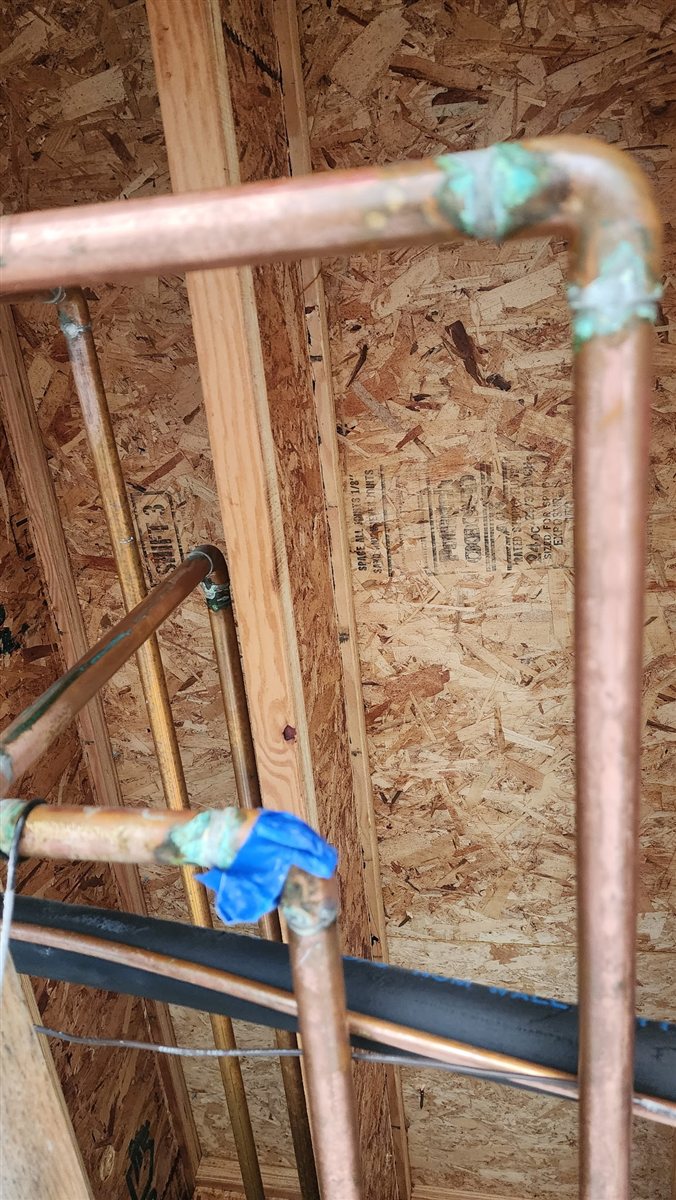
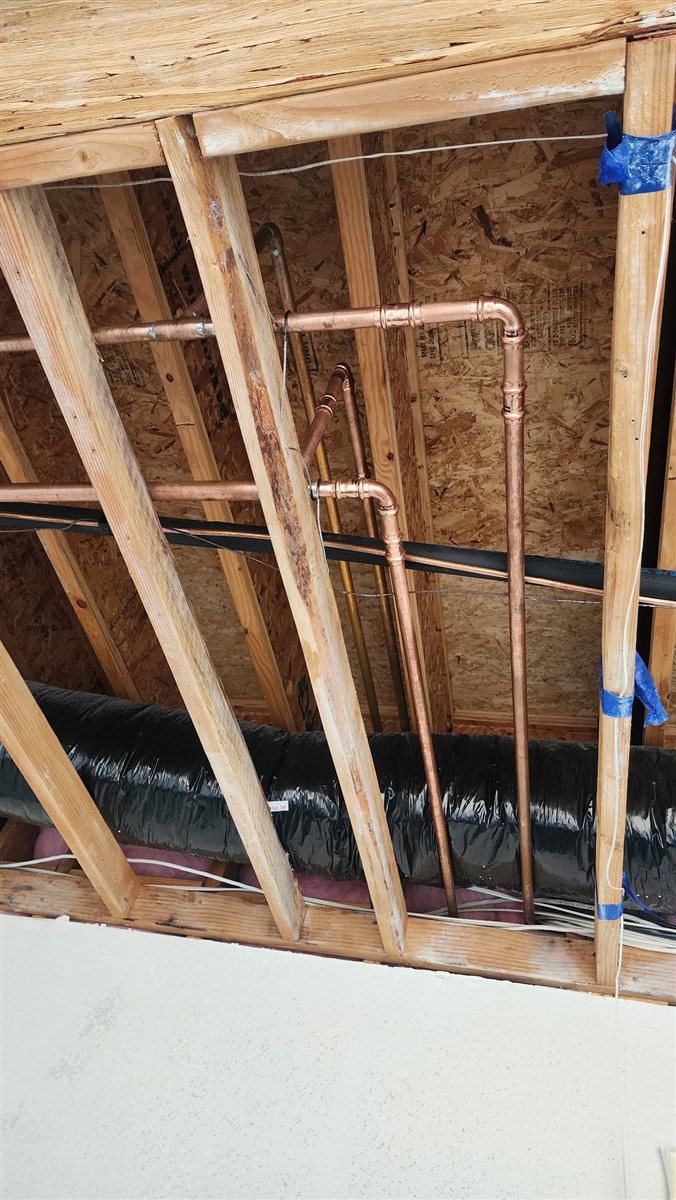
What a repipe actually is, minus the fear. New supply lines, modern PEX or copper, run through the house, walls opened where needed and closed properly after, typically days of work, not weeks, planned around your household's reality. What you get here is the straight version of all of it, the evidence about your actual pipes, every option including waiting, the true costs and true timelines in plain English, and a decision that stays entirely yours, with a licensed contractor performing the work when you say so. Houses this good deserve plumbing that matches. When the time comes, that's the whole point of the project.
"Stop treating this month's symptom. End the pattern."