The postwar tracts poured concrete right over soft copper.
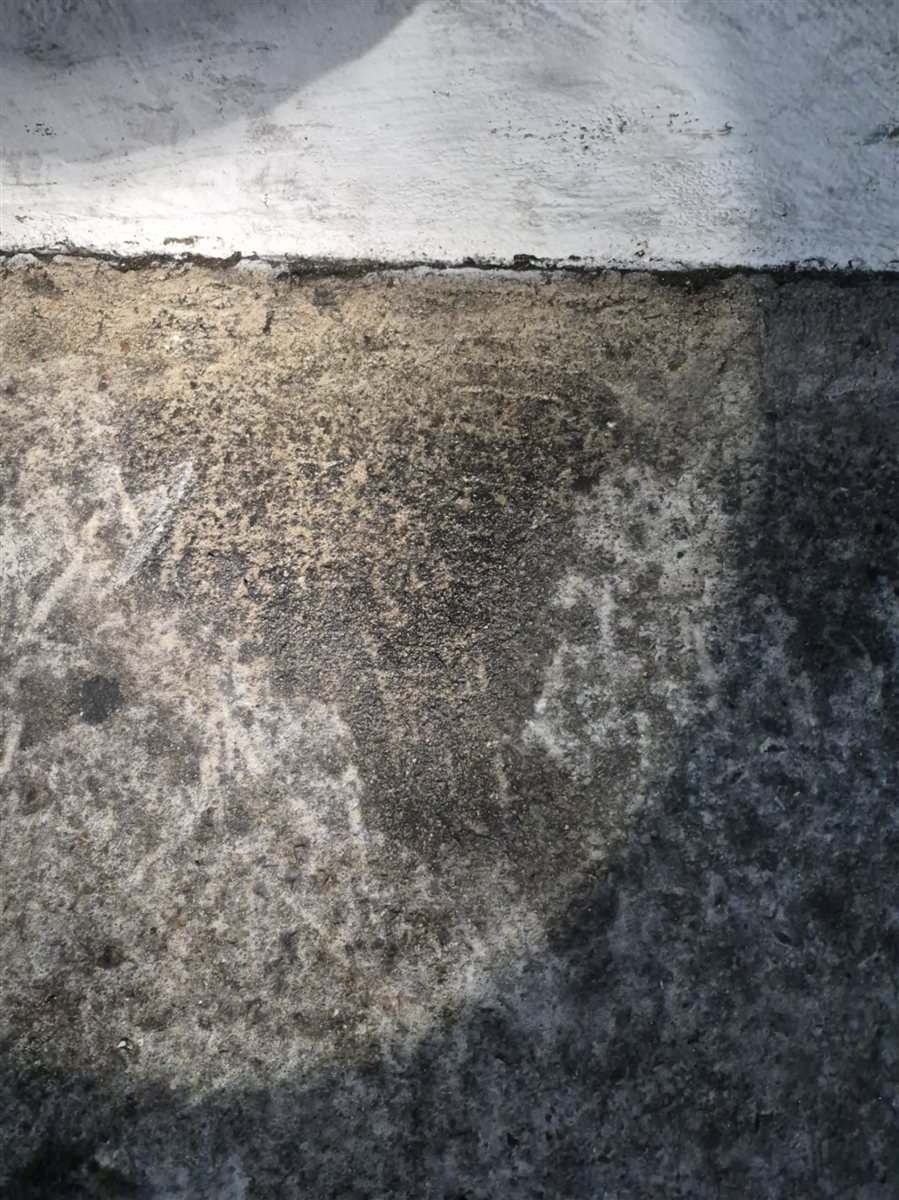
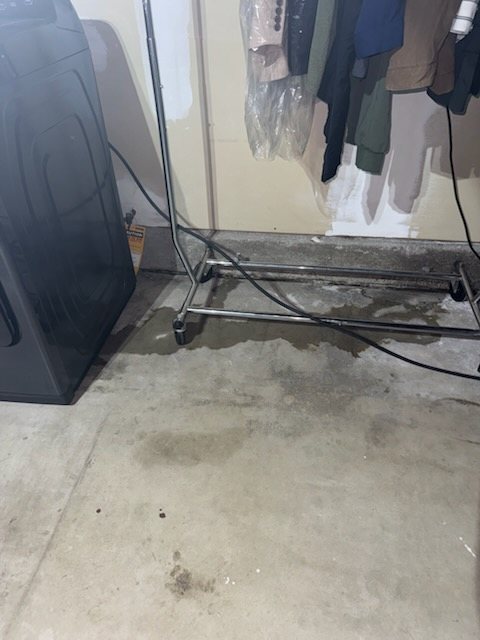
Slab leaks love East County. The box's clay soil swells and shrinks with every wet and dry cycle, flexing the concrete above it and working on the water lines within it, year after year, decade after decade. Add the era of construction, when copper under slab was standard and nobody imagined sixty years of soil movement, and El Cajon's slab leak rate stops being surprising. If your floor has a warm spot, your bill jumped, or you hear water with everything off, welcome to a very common club. Now here's the way out of it.
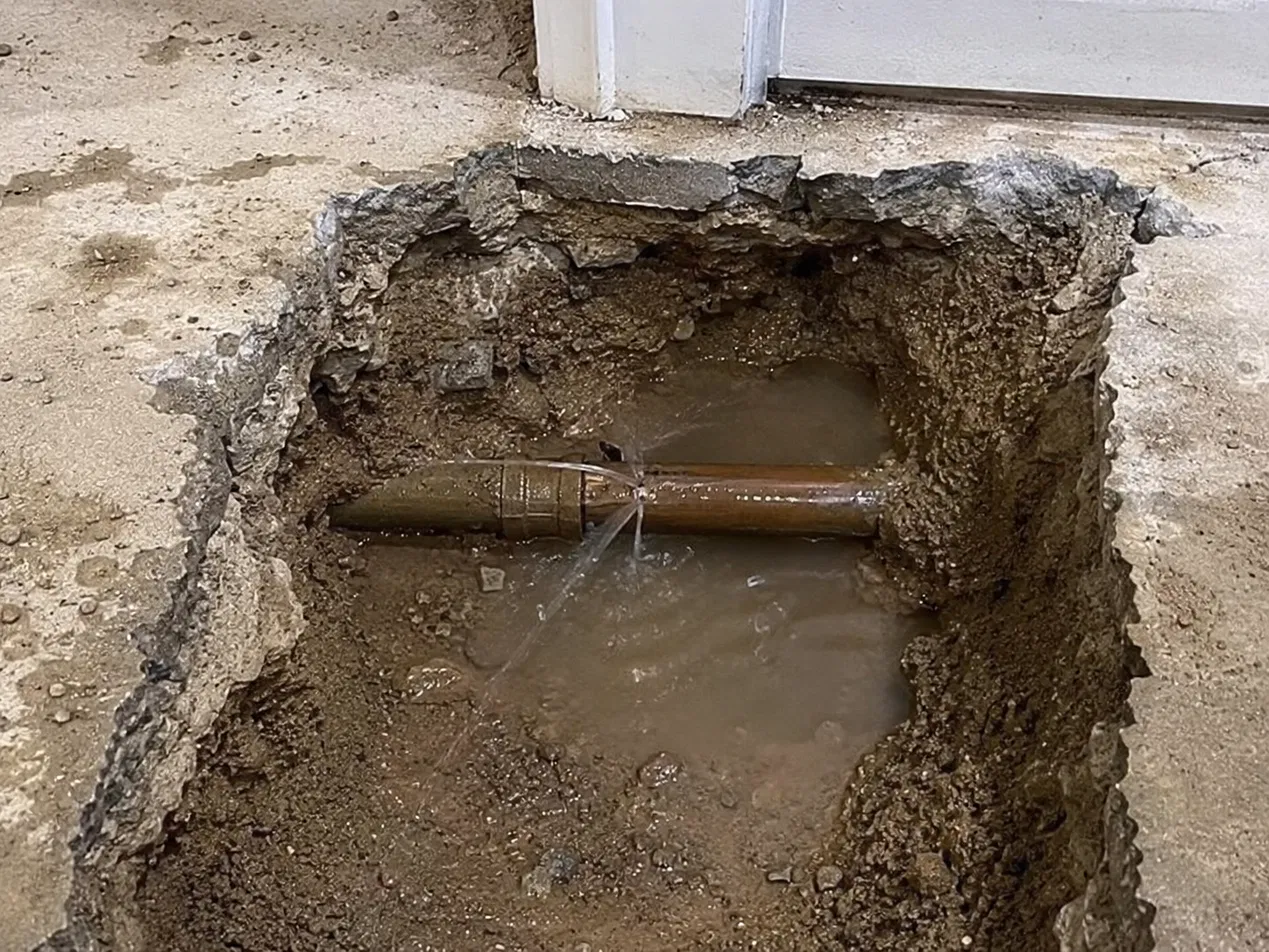
First, nobody touches the slab until the leak is found precisely, and finding is non destructive. Detection equipment reads through the concrete, locating the failure within inches, and that precision is what keeps the fix small. From there, the real options. Opening the slab at the exact marked spot, one clean access, when that's the smart play. Or, very often in El Cajon's older homes, skipping the slab entirely, abandoning the leaking run and rerouting new line overhead through the walls, which fixes the leak without a single crack in the concrete.
The choice depends on your house's story. A first leak in an otherwise quiet system points one way. A second or third leak points to the pipe era itself, and that honest conversation, sometimes about a repipe, happens in plain English with every option's tradeoffs on the table. Your decision, your pace, a licensed contractor performing the work on go. The soil out here never stops moving. The fix just has to be smarter than the ground. It is.
"A slab leak rarely shows you water. It shows you a bill."