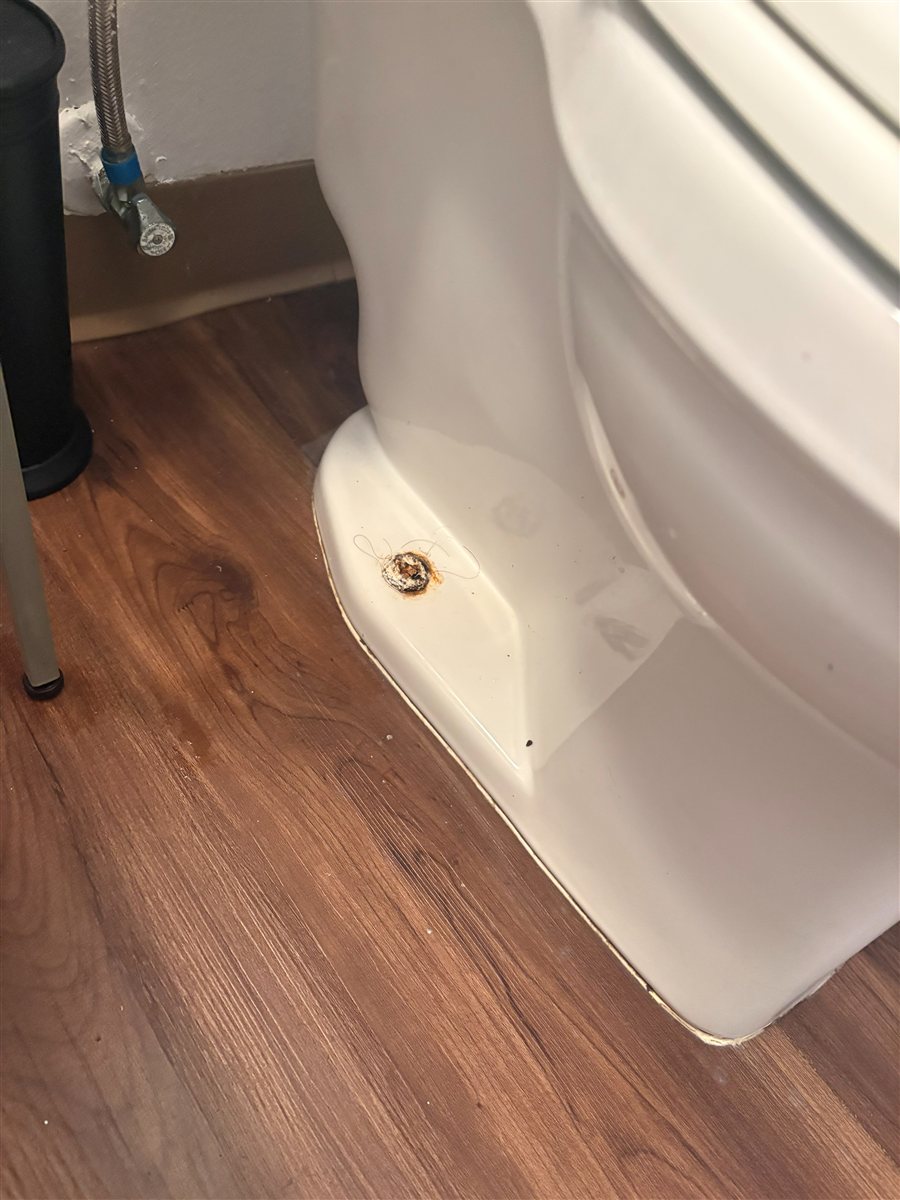
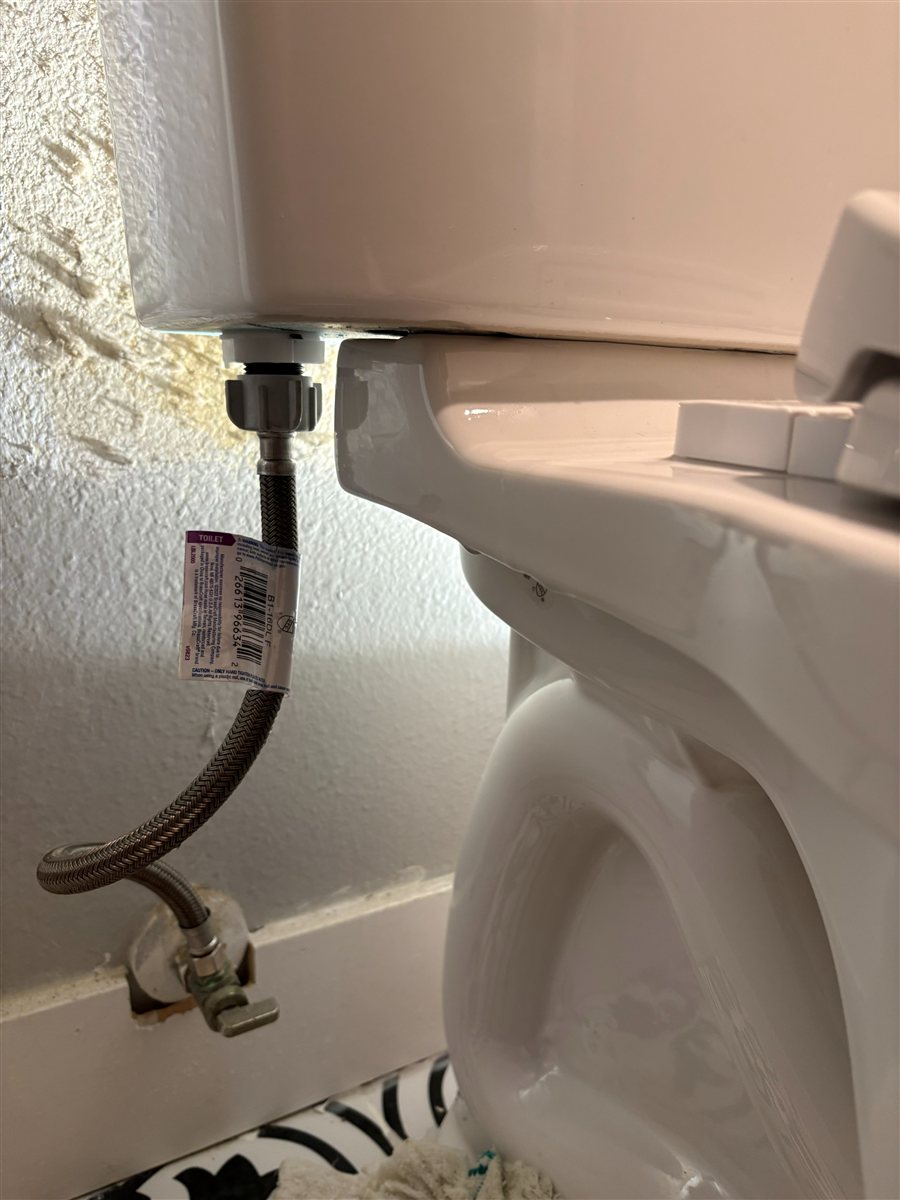
In the box's older houses, the toilets have seniority, decades of service, generations of repairs, and original installations that predate half the neighborhood. When one starts talking, and they all eventually do, the vocabulary is universal. The phantom flush, the tank topping itself off in a quiet house, a flapper leak padding the water bill silently. The endless run, a fill valve done with its career. The rock at the base, loose mounting with a wax seal underneath wondering about its future, and East County's older bathroom floors do not want that seal to fail. Water at the base means it already has, or the supply line beat it to the punch.
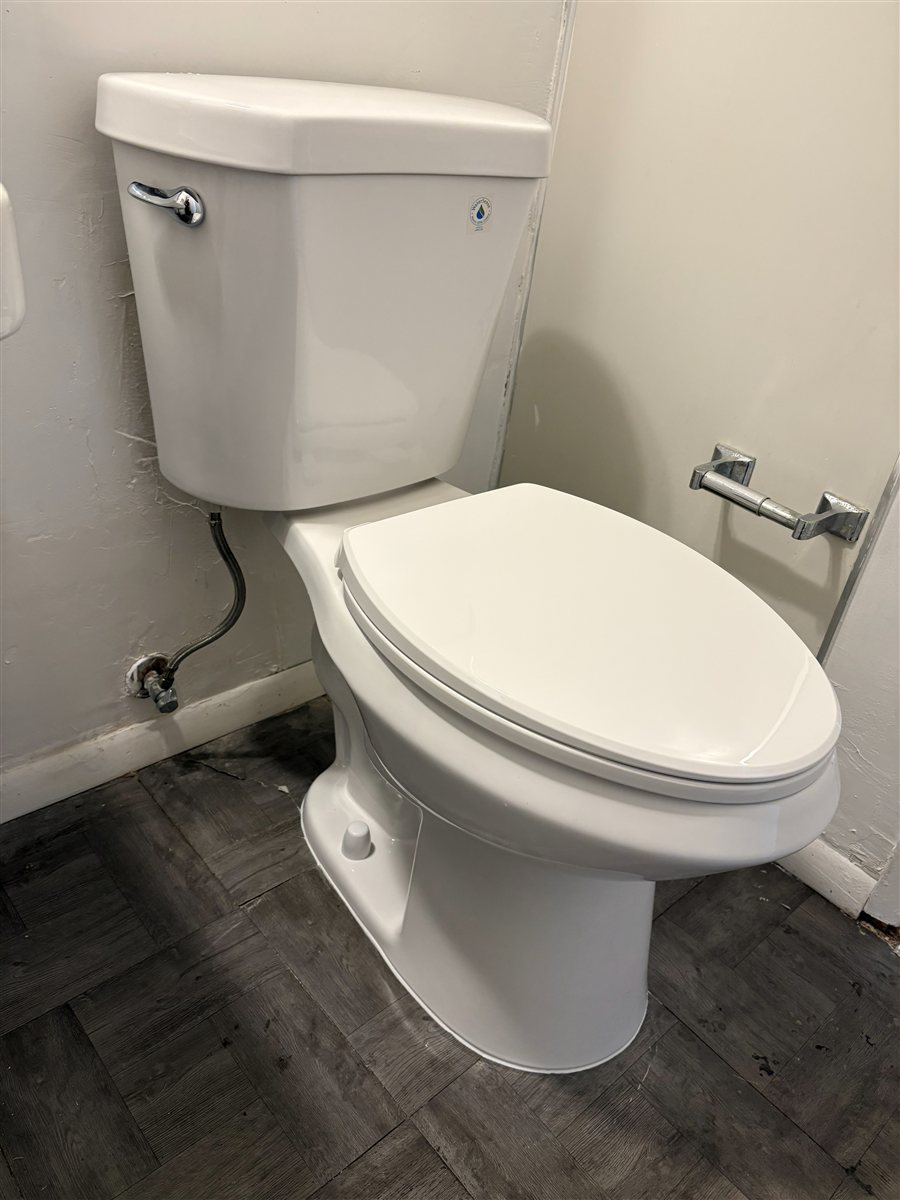
The response math favors repair more than people expect. Toilet internals replace piece by piece, and a sound unit takes decades of part swaps gracefully. Replacement enters honestly at cracked porcelain, no repair exists for that, at repair costs stacking up on a tired unit, or at the upgrade conversation, which in El Cajon's vintage bathrooms often makes real sense, modern units flush stronger on a fraction of the water the old ones drink, and bidet installs, now routine work, fold naturally into any replacement. The honest recommendation reads the actual toilet, and it gets explained before anything happens.
The boundary that saves everyone time, a toilet that keeps backing up is usually announcing a drain problem, not a toilet problem, and the drain side is its own service with its own page. The toilet side, all of it, running, rocking, leaking, sealing, replacing, upgrading, is performed by or under a licensed contractor. Set right, sealed right, staying put. Plain English, your call, done properly. That's the whole visit.