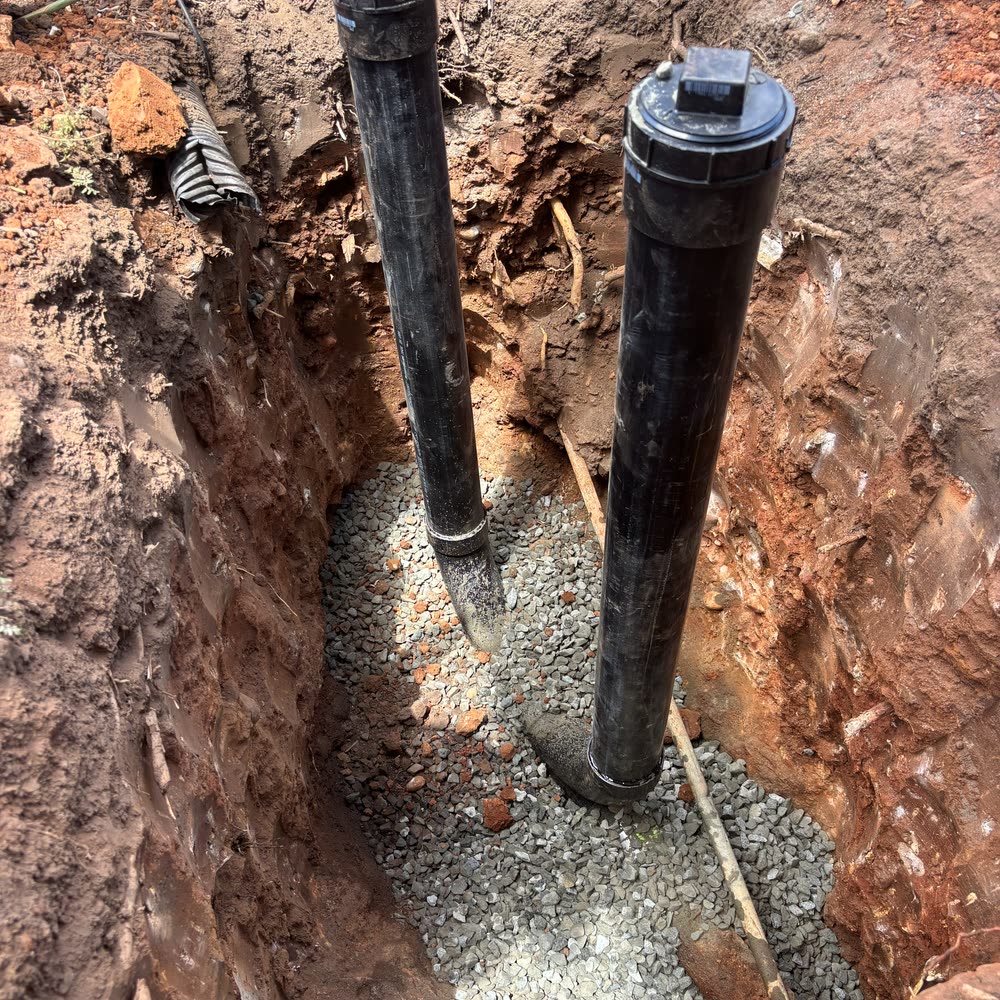
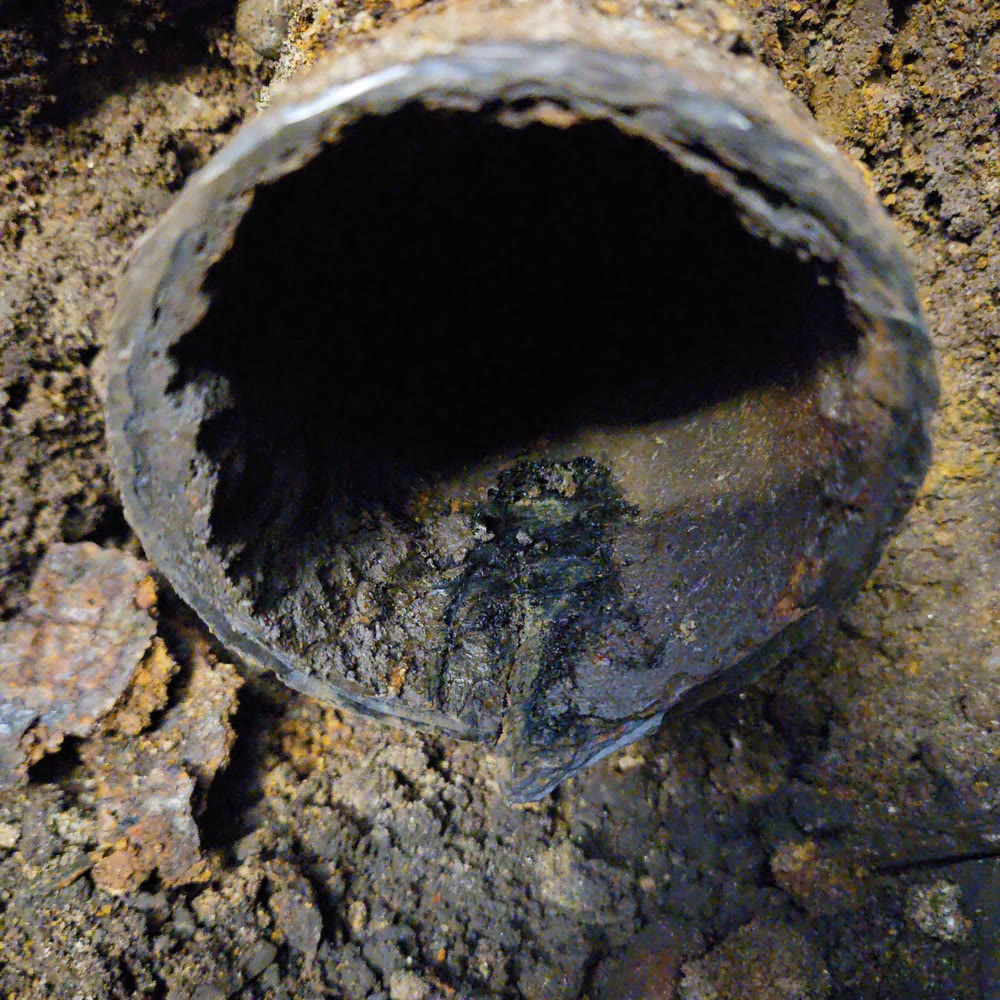
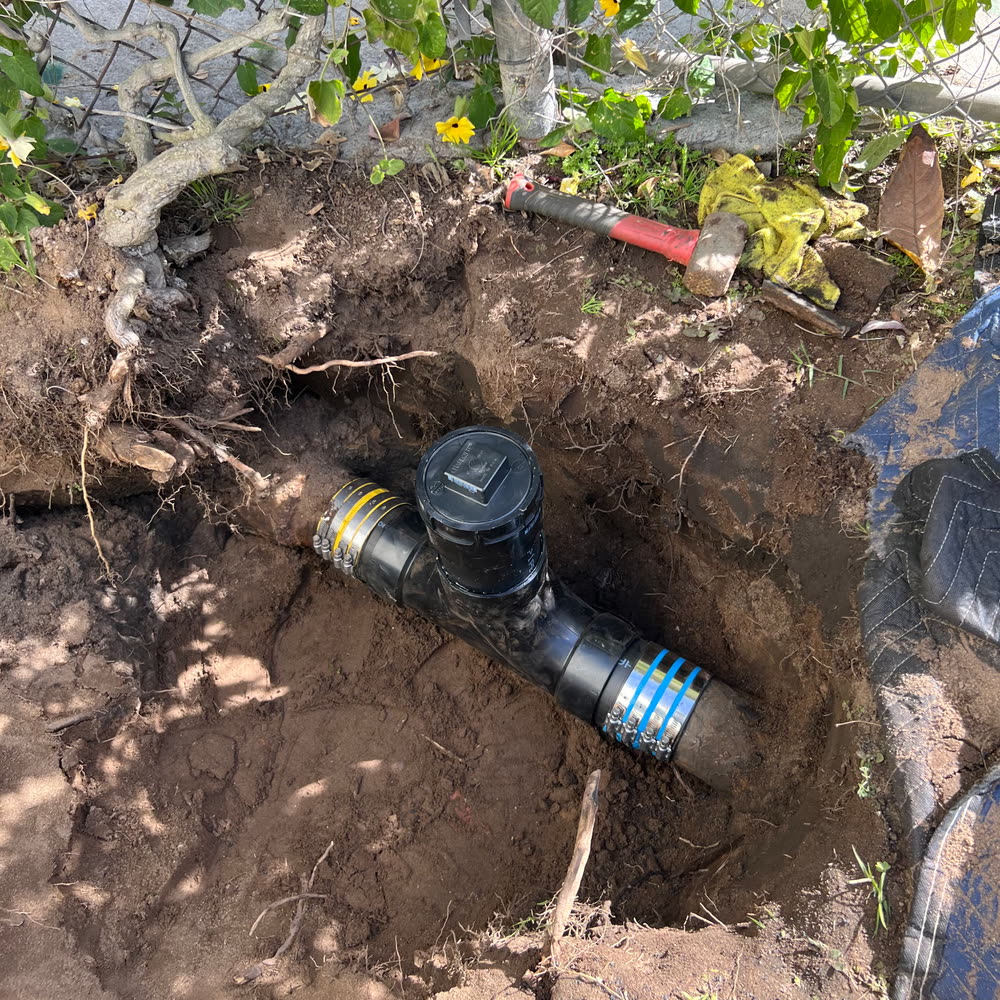
Out here, the ground can be a big part of it. Where the soil is clay, it swells with the wet years and shrinks through the dry ones, and years of that motion work on a sewer line, shifting joints, opening cracks, settling low spots where water sits. So when an El Cajon line starts failing, the questions are whether the soil played a part, how much, where, and what the right fix is. An inspection answers that, and looking from the surface can't.
What the contractor's inspection shows decides the fix. The contractor can often treat a joint the roots found as exactly that, one joint. A cracked section under the driveway is a section problem with section solutions. A low spot that's been collecting for years is its own specific fix. A line that's failing along its run is where replacement comes in, and even then there are options, lining the old pipe, trenchless methods, or staged work. The point is that "you need a new sewer line" is the end of a conversation, not the beginning of one, and the conversation starts with what the inspection shows.
You get all of it in order and in plain English, the evidence on screen, every option with its real tradeoffs, a clear recommendation, and then the decision, which is yours alone. You get the facts and the time to decide, and a licensed contractor performs the work when you say go.