Hard water wears the pipe. High pressure finishes the job.
The banging pipe call comes in from the box constantly, and no wonder. East County's older homes have been taking the street's pressure straight for decades, many with regulators that gave out years ago, plenty that never had one, and the plumbing has been quietly paying the bill the whole time. The knock in the walls is just the audible part. The rest of the story runs silent, and it runs expensive.
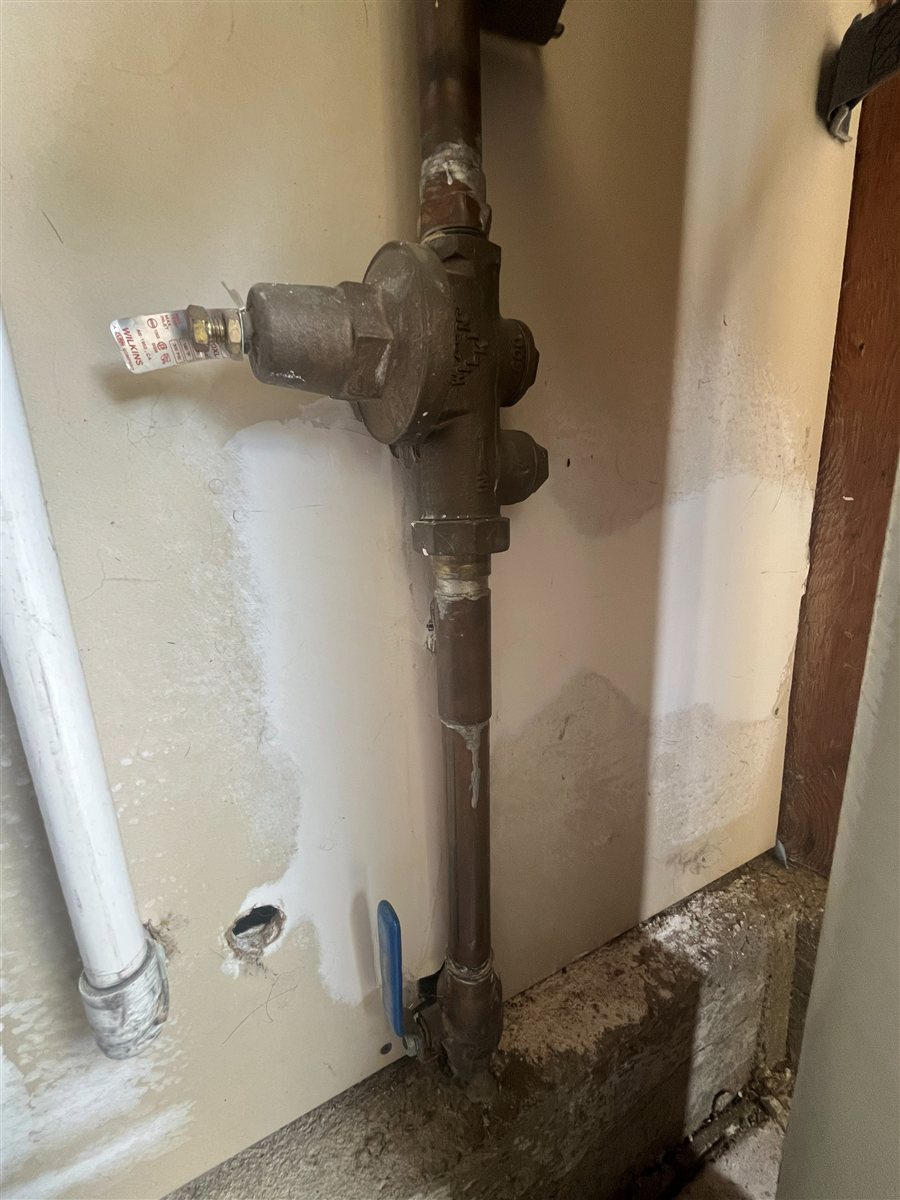
Here's the silent part. Excess pressure works on everything downstream, every joint, every fitting, every faucet, every supply line, and hardest of all on the water heater, which absorbs the strain day after day and retires early because of it. When an El Cajon water heater fails ahead of schedule, the autopsy often points at pressure, and here's the kicker, installing a new heater into the same unregulated pressure just starts the same clock again. The PRV is the fix at the source, one device keeping the whole system in the healthy range, protecting everything at once instead of everything failing one at a time.
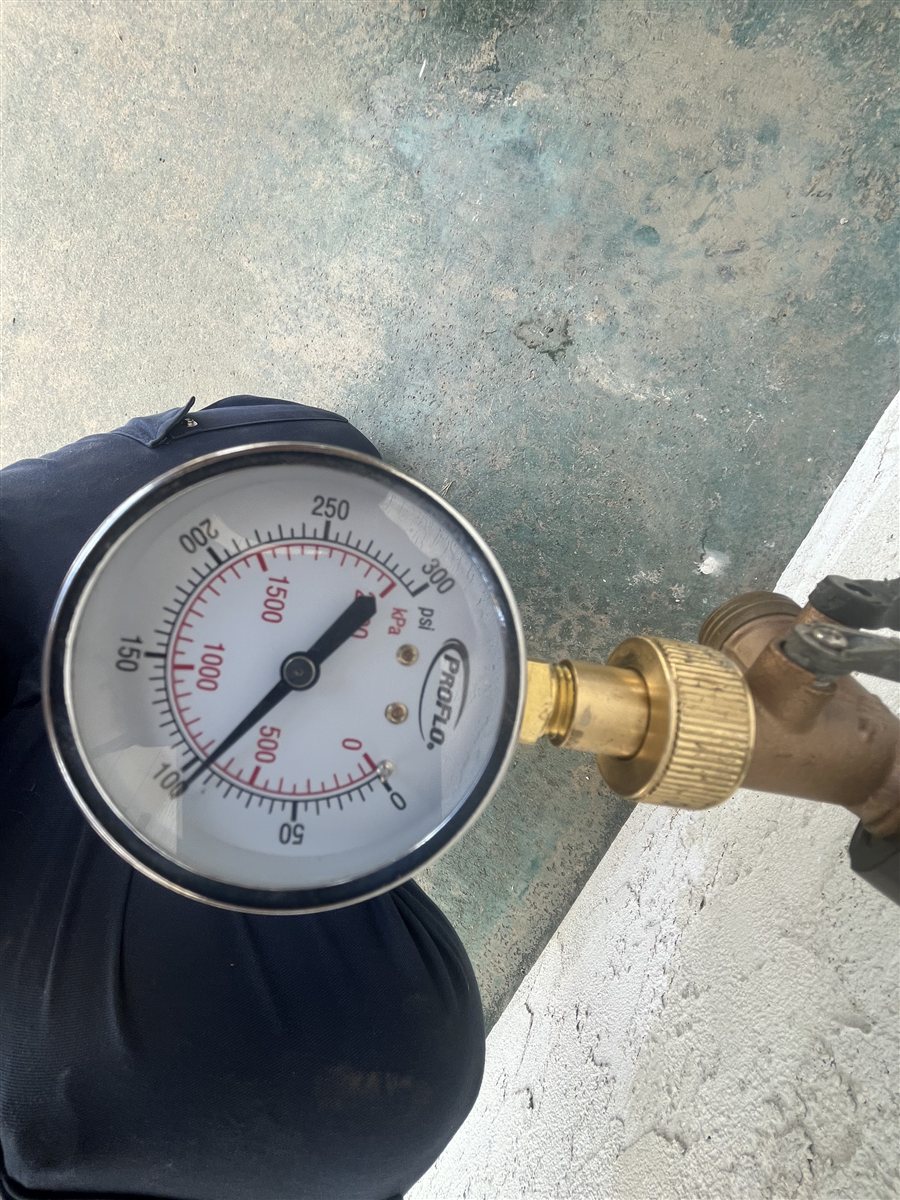
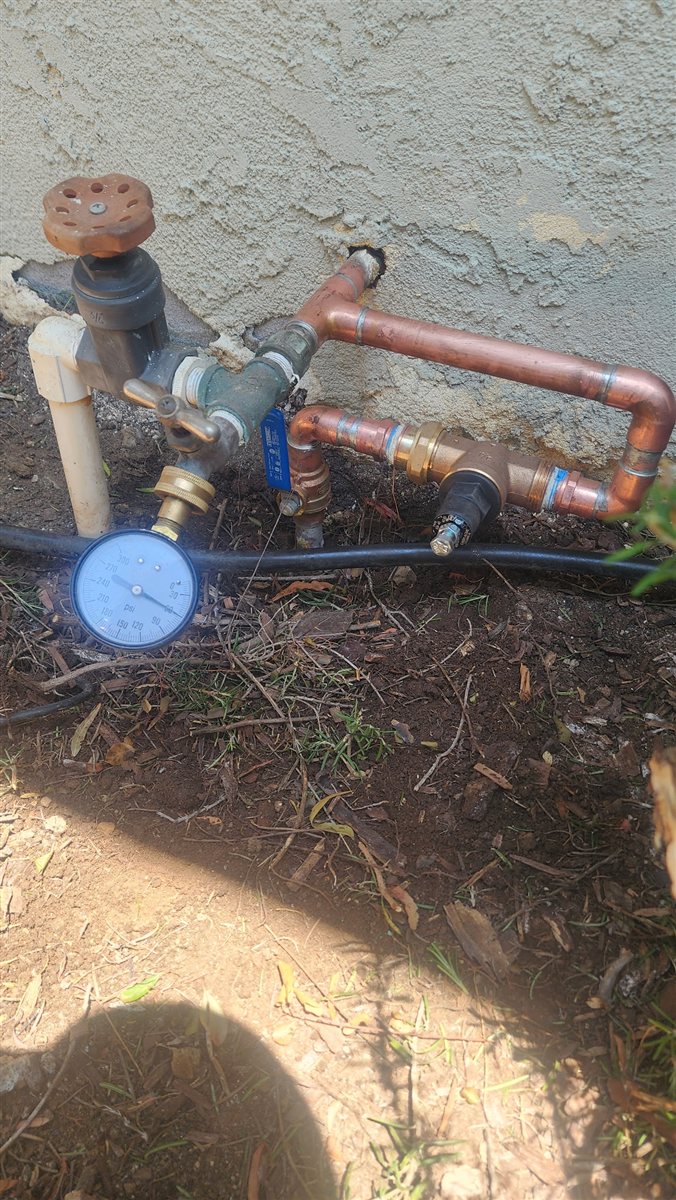
What your house needs depends on what's actually there, a working regulator, a failed one, or none at all, and the three are indistinguishable without a gauge and a licensed contractor reading it. That's the visit, measurement first, honest read second, options in plain English third, including the straight talk for homes that never had a regulator about what adding one protects and how it satisfies modern code. Sixty years of street pressure has been running its experiment on the box's plumbing. Finding out your house's results takes one call.
"You replace the parts it breaks, or the one part that stops it."