The roots found every joint. The liner takes them all back.
Out here, a sewer line replacement quote comes with an East County multiplier. The lines run under driveways, RV pads, mature trees, and yards that have been groomed for decades, and a trench through any of it turns a plumbing project into a property project. Which is why this page might be the most useful one on the site. A failing line in the box can often be rebuilt from the inside, trenchless, and the surface never gets touched.
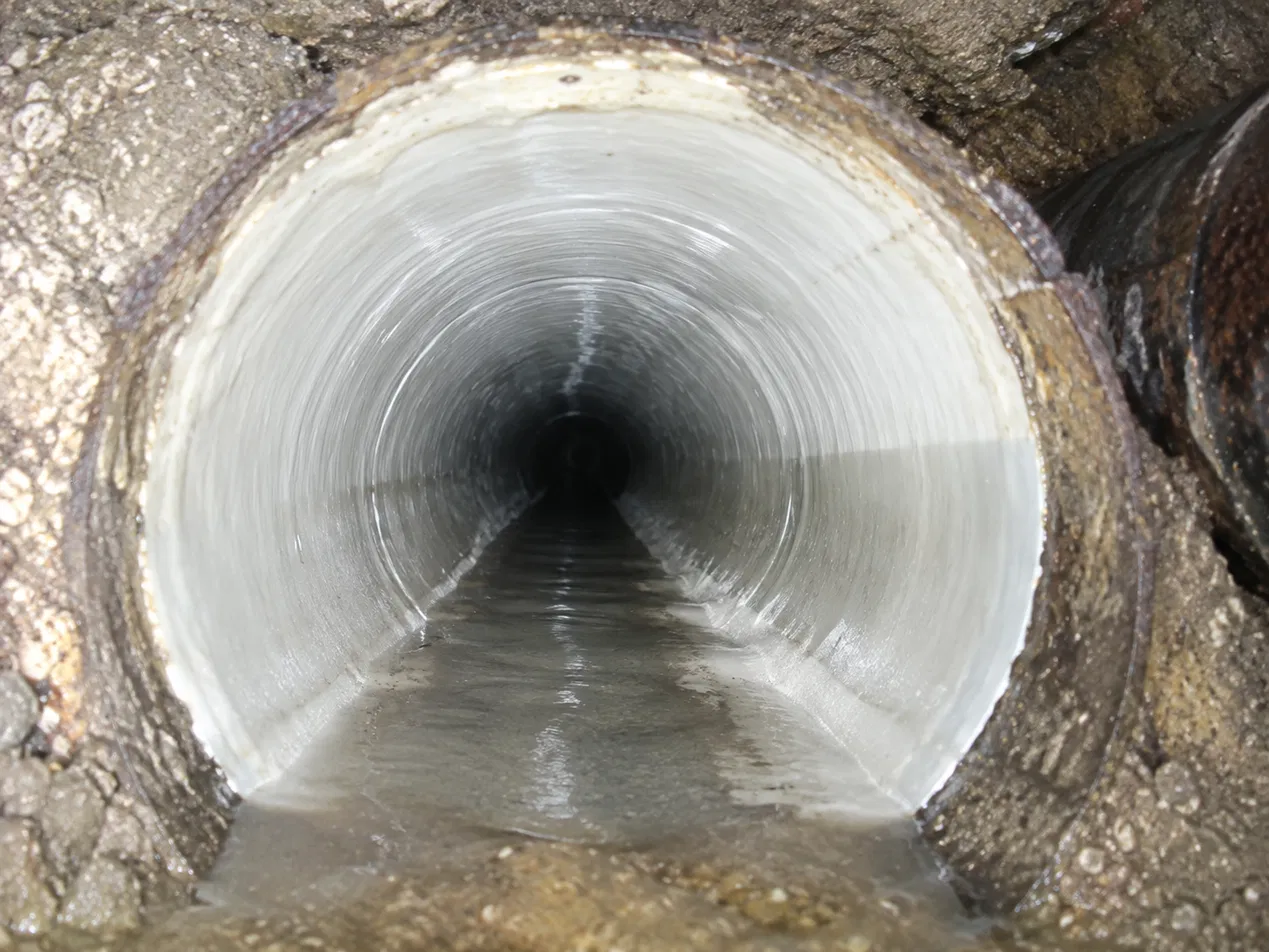
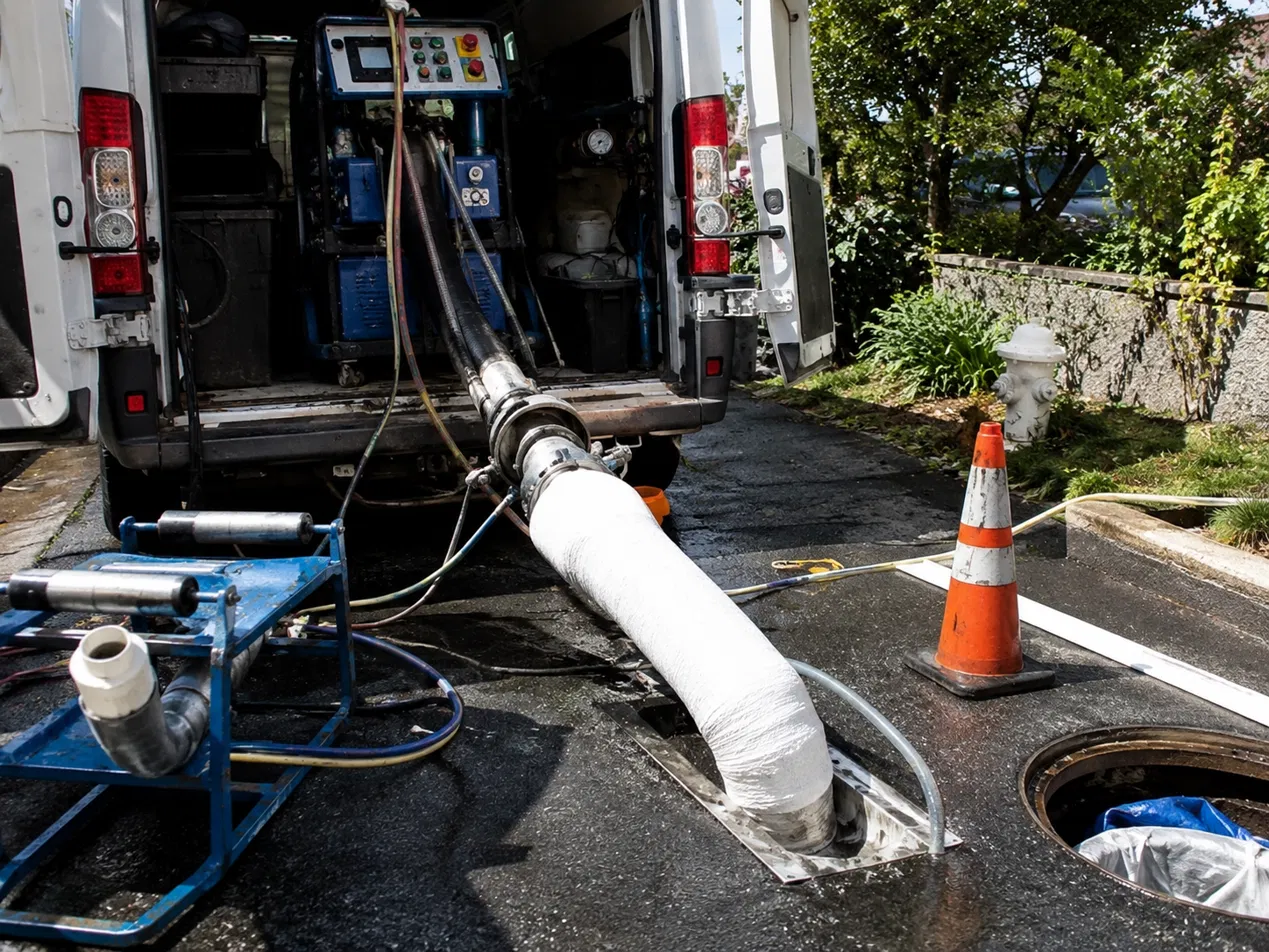
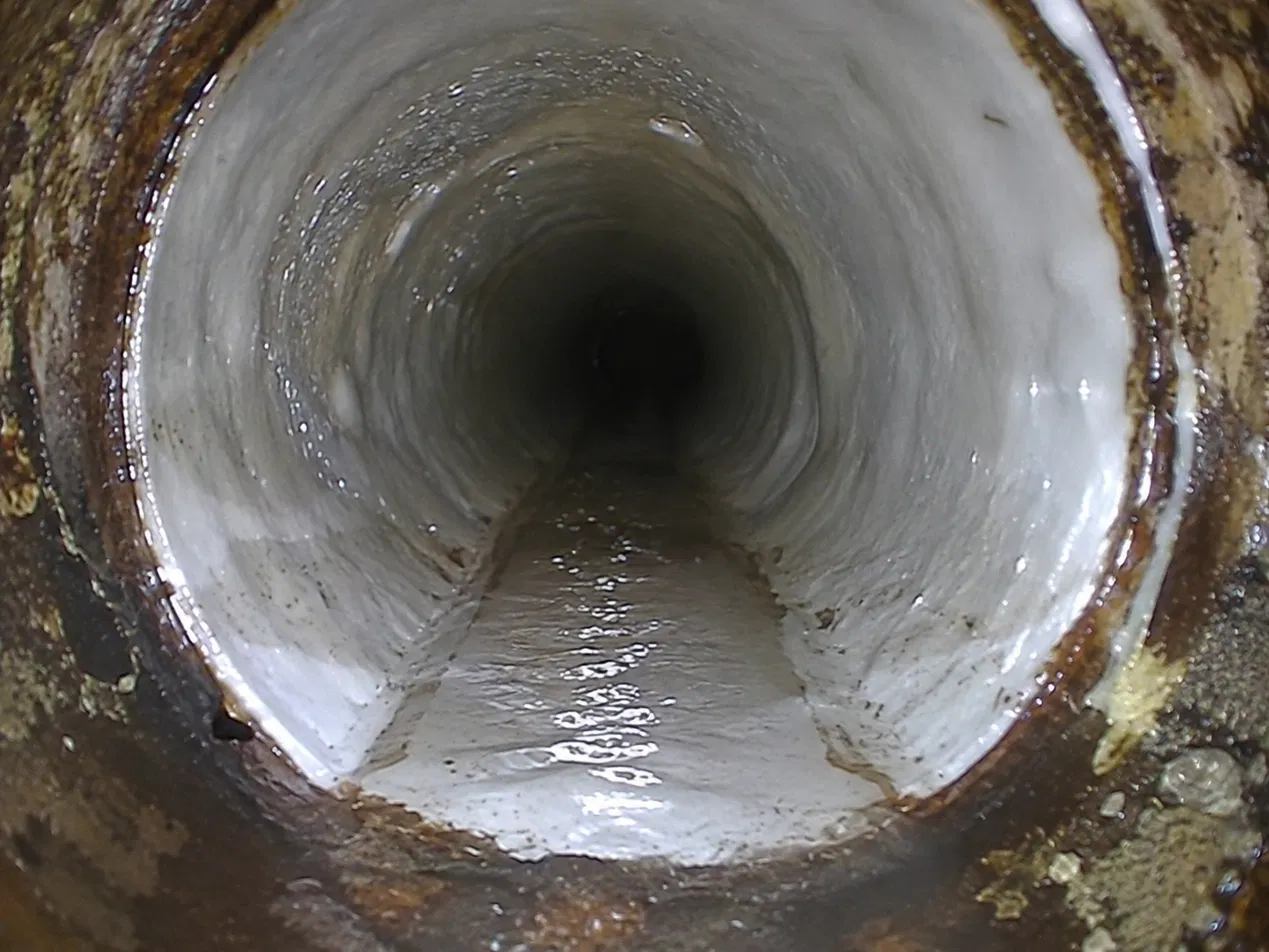
The method is called pipe lining, CIPP formally. A resin soaked liner enters the existing line through the cleanout, presses tight against the old pipe walls, and cures into a hard, seamless new pipe inside the old one. For El Cajon's older clay lines, worked loose at the joints by decades of the valley's swelling and shrinking soil, the fit is almost poetic. The new pipe has no joints, so the clay soil has nothing left to work apart and the roots have no seams left to find. The problems that took sixty years to develop get closed out in a day, and the driveway never knew.
The straight talk. Lining requires a pipe that still holds its shape, and the camera makes that call before anything else happens. Some lines qualify, some don't, and the footage doesn't lie either direction. What you get here is that evidence, the options in plain English, and the decision left where it belongs, with you, with a licensed contractor performing the work on your go. Before anyone digs up the box, look inside the pipe. That's the rule.
"Clay has a joint every few feet. A liner has none."